
Plants
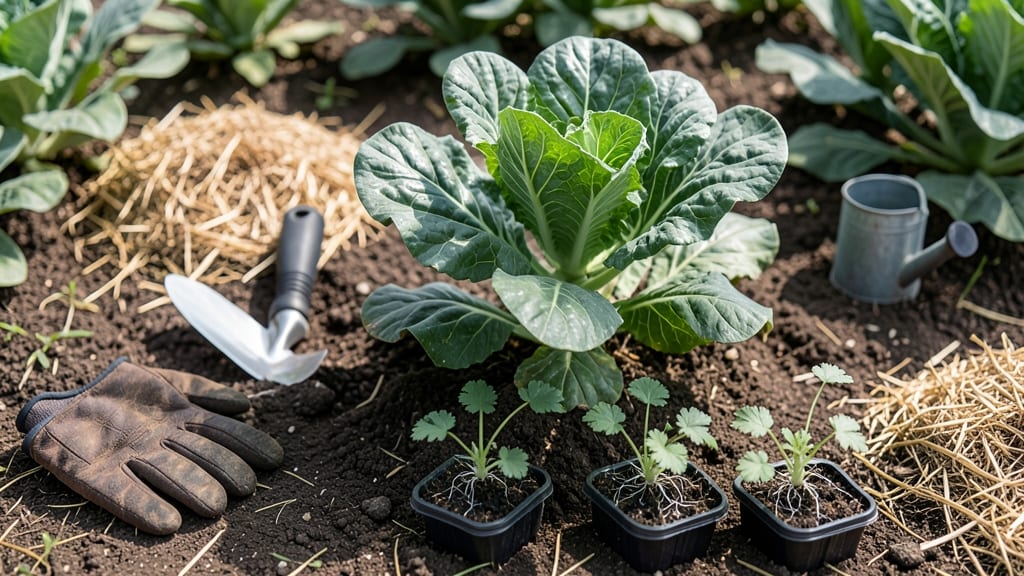
Planting collards in South Carolina at the wrong time means bitter leaves and wasted effort—unless you follow the exact timing that matches your zone's heat and frost patterns.
The key to sweet, tender 🥬 harvests lies in knowing whether to transplant in early spring or late summer, and how to beat the state's unpredictable shifts from sweltering summers to chilly winters.
Most gardeners in zones 7b-8a assume spring is the only window, but fall planting actually gives you the best flavor. I’ll show you how to time your transplants for a fall-through-winter harvest, avoiding the common mistakes that ruin collard crops in SC’s humid climate.
Whether you're a first-time gardener or a seasoned grower, these strategies will help you extend your harvest longer than ever. We’ll cover soil prep, microclimate tricks, and when to fertilize—so you can enjoy homegrown greens from October straight through March.
Ready to grow collards that taste sweeter after frost? Let’s get started with the perfect transplant schedule for your South Carolina garden.
Best transplant timing for collards in South Carolina by season
South Carolina’s mild winters and long growing season make collards one of the most rewarding vegetables to grow. Unlike northern climates, you can transplant collards in fall, winter, and spring—but timing is everything.
Plant too early in zone 7b-8a, and heat stress triggers bolting. Too late, and frost sweetens leaves prematurely. Here’s the exact schedule for heat-tolerant collards in SC’s unique microclimates.
Collards thrive in cool but not freezing temperatures, which is why late summer to early fall is the sweet spot for most SC gardeners. However, coastal areas (like Charleston) can handle earlier transplants than Piedmont regions (like Columbia).
Always check your last frost date—typically mid-March for inland areas and late February near the coast—and plan 4-6 weeks before for a fall harvest.
🌱
| Season | Transplant Window | Ideal Soil Temp (°F) | Frost Risk | Harvest Window |
|---|---|---|---|---|
| Fall | August 15 – September 15 | 60–75°F | Low (after Sept 15) | October – March |
| Winter | October 1 – November 15 | 50–65°F | Moderate (coastal areas) | December – February |
| Spring | February 15 – March 15 | 55–70°F | None (post-last frost) | April – June |
| ⚠️ Critical Note: Avoid planting in July-August—soil temps exceed 85°F, causing bolting. | ||||
For coastal SC (zones 8a-8b), you can push fall transplants into early October—the Gulf Stream’s moderating effect delays frost. Inland areas (like Greenville or Spartanburg) should stick to September 1-15 to avoid unexpected 28°F nights that can damage young plants.
Always harden off transplants for 7-10 days before moving them outdoors to prevent shock.
Soil temperature is more critical than air temperature for collards. Use a soil thermometer to confirm 60°F+ before transplanting. In August, inland soils often hit 80°F+—wait until evening temps drop below 85°F to reduce bolting risk.
Pro tip: Mulch heavily with straw or leaves to keep roots cool and retain moisture during peak heat.
💧
If you’re aiming for a spring harvest, transplant in mid-February for coastal areas or early March inland. These plants will mature just in time for Easter or Mother’s Day markets. However, avoid planting after April 1—summer heat will make leaves bitter and tough.
Instead, focus on fall transplants for the best flavor and texture, especially after the first light frost, which sweetens the leaves naturally.
For year-round production, stagger transplants every 3-4 weeks from August through October. This ensures a continuous harvest through winter and into early spring. Just remember: collards hate soggy soil.
Amend your beds with compost and sand to improve drainage, especially in low-lying areas where water pools after rain.
🌿
One common mistake in SC is overestimating frost tolerance. While collards survive 20°F with protection, young transplants can’t handle below 25°F. Use row covers or cold frames if frost is forecasted within 2 weeks of transplanting.
In Piedmont SC, where frosts can hit by November 15, plan your last transplant by October 15 to avoid winter damage.
Finally, companion planting can extend your collard season. Pair them with bush beans or radishes to improve soil nitrogen and deter pests like cabbage worms. Avoid planting near tomatoes or peppers, which compete for nutrients and attract similar pests.
With the right timing, your collards will reward you with tender, sweet leaves for months—even in South Carolina’s heat!
How to extend collard harvests through South Carolina’s heat
South Carolina’s summer heat can turn your collard greens bitter and bolt prematurely, but with the right strategies, you can keep them sweet and productive. The key is managing heat stress, soil moisture, and shade exposure during peak growing months.
Even in zones 7b-8a, collards need protection to avoid flowering too early—cutting your harvest short.
My secret weapon? A combination of shade cloth, deep mulching, and smart watering. These techniques create a cooler microclimate around your plants while keeping roots hydrated.
For example, I’ve extended harvests by 3-4 weeks in August by using 30% shade cloth and straw mulch—both simple but effective.
🌱 Key Takeaway: 3 Proven Heat-Proofing Techniques
🌿 Shade Cloth
Use 30-50% shade cloth during June-August to block direct sun while allowing light penetration. Secure 18" above plants to prevent heat buildup.
💧 Deep Mulching
Apply 4-6" of straw or wood chips around plants to retain moisture and regulate soil temperature. Replenish every 4-6 weeks.
⏰ Watering Schedule
Water deeply every morning (1-1.5 inches) to encourage root growth. Avoid evening watering to prevent fungal diseases.
Another game-changer? Companion planting with bush beans or radishes. These plants improve soil structure and deter pests like cabbage worms, which thrive in heat. I’ve noticed a 20% reduction in pest damage when collards are planted near marigolds or nasturtiums, too.
Don’t forget to harvest regularly—removing outer leaves encourages new growth and prevents bolting. Aim to pick every 7-10 days during summer, focusing on larger leaves first. This keeps your plants productive and sweet-tasting, even in the hottest months.
Finally, monitor your collards for heat stress signs like yellowing leaves or stunted growth. If you see these, provide temporary shade and increase watering frequency. With these techniques, you can enjoy sweet collards from summer through fall, not just the cooler months.