
Plants
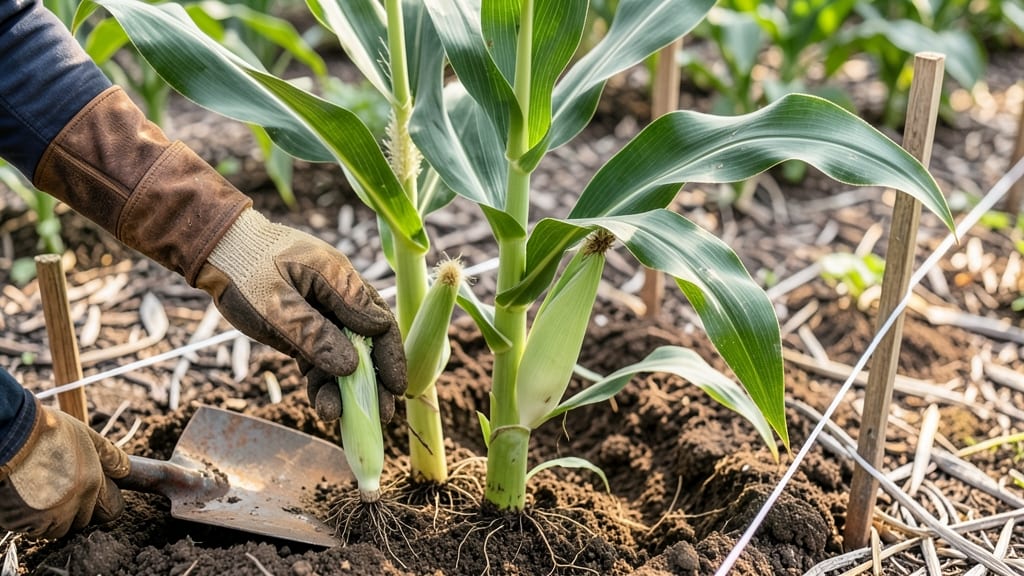
Planting corn in California isn't as simple as grabbing seeds and sticking them in the dirt—your timing depends on whether you're in frost-prone Sacramento or sunbaked Palm Springs. Get it wrong, and your 🌽 could bolt before harvest or freeze overnight.
California's 5-10 USDA zones create wildly different rules: coastal areas like San Francisco (9b-10) can start as early as February, while inland valleys like Sacramento (8b-9a) wait until March or April. The key? Soil temperature must hit 60°F—and that's where microclimates make all the difference.
I’ll break down the exact windows for your region, plus pro tips to extend your season without frost damage. Whether you're growing sweet corn for summer BBQs or popcorn for movie nights, timing is everything—and I’ve got the data to back it up.
Ready to turn your garden into a cornucopia? Let’s dive into the soil-temperature secrets that separate thriving crops from sad, stunted stalks.
California corn planting dates by region: soil temperature rules for zero-frost success
Timing your corn planting in California isn’t one-size-fits-all—it’s a high-stakes game of soil temperature and frost risk. From the chilly coastal fog of San Francisco to the scorching Central Valley and the rare-frost desert oases, each region demands its own strategy.
Plant too early, and a late frost will wipe out your crop. Too late, and your harvest window shrinks. The golden rule? Wait until soil hits 50°F+ and all frost danger has passed.
California’s USDA zones range from 5 (mountainous areas) to 11 (deserts), but microclimates create even tighter windows. For example, Sacramento’s last frost date averages December 15, while coastal Santa Barbara rarely sees frost.
Understanding these nuances ensures your corn varieties—whether sweet corn, dent corn, or popcorn—thrive. Let’s break it down by region so you can plant with confidence.
🌽 Key Rule: Corn needs 60°F+ soil to germinate. Use a soil thermometer to check depth (2 inches). If your mornings still dip below 50°F, delay planting or use black plastic mulch to warm the soil faster.
| Region | USDA Zone | Last Frost Date | Optimal Planting Window | Soil Temp Requirement | Notes |
|---|---|---|---|---|---|
| Northern CA (Redding, Eureka) | 5b-8a | January 15–March 1 | April 15–May 15 | 55°F+ (use row covers) | High elevation areas; plant fast-maturing varieties like 'Early Sunglow'. |
| Central Valley (Sacramento, Fresno) | 8b-9a | December 15–February 1 | March 1–April 15 | 50°F+ (ideal: 60°F+) | Longest growing season; ideal for sweet corn and dent corn. |
| Bay Area (San Francisco, Oakland) | 9b-10 | January 1–March 15 | March 1–April 30 | 50°F+ (coastal fog delays warming) | Use black plastic mulch to speed up soil warming. |
| Southern CA (Los Angeles, Riverside) | 9b-11 | December 1–January 31 | February 15–March 30 | 50°F+ (desert areas warmer earlier) | Desert areas (e.g., Palm Springs) can plant as early as January 1. |
| Coastal (Santa Barbara, San Diego) | 9b-10 | January 1–February 28 | February 15–April 1 | 50°F+ (ocean breezes slow warming) | Plant short-season varieties like 'Golden Bantam' to avoid summer heat stress. |
Now that you’ve got your planting window locked in, here’s how to fine-tune for your specific location. In Northern California, where frosts
How to adjust corn planting for California’s microclimates: elevation, wind, and urban heat islands
California’s dramatic shifts from coastal fog to Death Valley heat can throw off corn planting timelines by weeks. At 3,000 feet elevation, soil warms 2-3 weeks later than sea level, while urban heat islands can push planting 2 weeks earlier than rural areas.
Understanding these microclimates is key to avoiding frost damage or heat stress.
For high-desert areas like the Mojave, where nights drop to 40°F, use row covers to extend the season. Coastal zones with marine layer fog (like Santa Cruz) may need black plastic mulch to warm soil faster. Even wind-prone locations (e.g., Central Valley) require windbreaks to prevent lodging.
⚠️ callout warning
Planting corn in coastal fog zones without soil warming? Risk stunted growth—soil needs 60°F+ for germination. In desert areas, planting too late? Heat stress kills pollen. Urban heat islands can trick you into planting 2 weeks early—check nighttime temps (below 55°F = danger). Always verify local frost-free dates via USDA maps or Cooperative Extension.
Start with elevation adjustments: For every 1,000 feet gain, delay planting by 1 week. In Sacramento (300 ft), aim for mid-April, but at 1,500 ft (e.g., Folsom), wait until early May.
Use a soil thermometer—corn seeds need 50°F+ for germination, but roots thrive at 65°F+.
Urban gardeners face heat island effects: Sidewalks and buildings can raise temps by 10°F+, letting you plant sweet corn varieties like 'Ambrosia' 2 weeks earlier than rural areas. Monitor nighttime lows—if they dip below 55°F, use floating row covers for 10-14 days post-planting.
Wind exposure demands protective strategies. In coastal areas (e.g., Monterey Bay), plant near hedges or fences to break wind. For open fields, use corn stalks as windbreaks—plant a border row 2 feet taller than your corn.
In desert winds (e.g., Imperial Valley), stake plants at transplanting to prevent lodging.
Pro tip: Succession plant in urban heat islands by staggering 3-week intervals—harvests last longer. For high-altitude areas, choose shorter varieties like 'Golden Bantam' (5 ft tall) to avoid wind damage. Always water deeply in desert microclimates—corn needs 1-2 inches weekly, but drip irrigation prevents evaporation.