
Plants
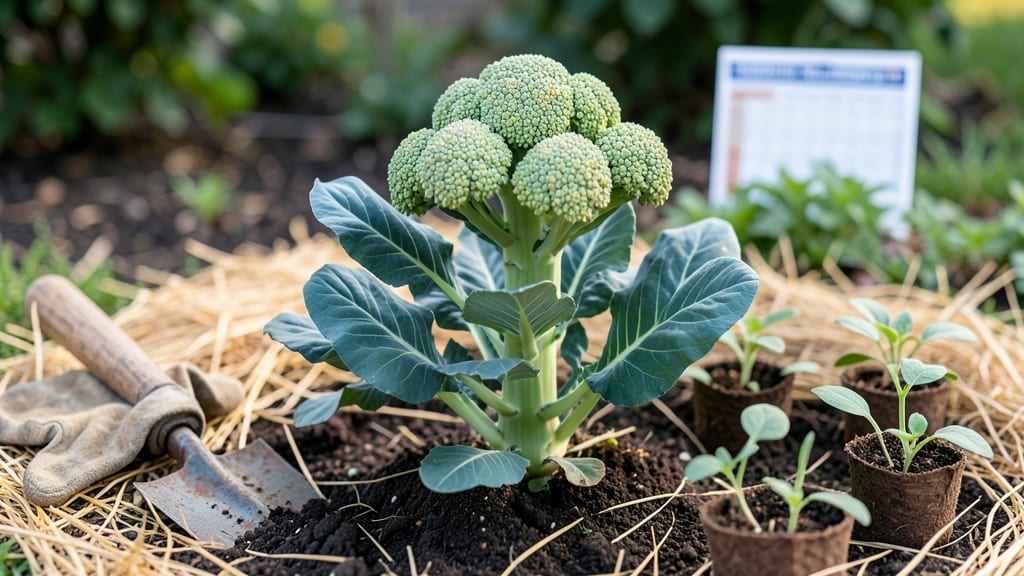
Planting broccoli 🥦 in Northern California isn't just about throwing seeds in the dirt—it's about catching the perfect 60-day window between frost and summer heat to grow the crispiest, most flavorful heads possible.
Whether you're in Sacramento's USDA Zone 8a or the milder coastal Zone 9b, timing makes all the difference between a bumper crop and a sad, bolted disappointment.
Most gardeners here make one of two mistakes: planting too early in spring when cold snaps linger, or waiting too long in fall and risking frost before harvest. The truth?
Broccoli thrives when soil temps hit 45°F—that means late August to early September for fall crops and February to March for spring starts, with coastal areas getting a 2-week head start thanks to their warmer microclimates.
What if you could extend your harvest by 30 days without fancy equipment? I'll show you how to use simple row covers and succession planting to turn Northern California's unpredictable weather into your broccoli-growing advantage. No more guessing—just data-backed dates tailored to your exact corner of the state.
Ready to go from seed to table with broccoli that's sweeter, bigger, and harvested at peak freshness? Let's break down the exact planting calendar, from Sacramento's inland heat to the foggy coast, so you never miss another harvest season.
Northern California broccoli planting calendar: exact spring and fall dates by microclimate
Northern California’s diverse microclimates—from foggy coastal areas to hot inland valleys—create three distinct planting zones for broccoli. Coastal regions like San Francisco and Monterey (USDA Zone 9b) enjoy longer frost-free seasons, while inland areas like Sacramento and Napa (Zone 8a) face earlier frosts.
Mountain regions near Lake Tahoe and Redding (Zone 7b) require even earlier starts to avoid winter chill. Each zone demands precise timing to align with 60°F–75°F soil temps, where broccoli thrives.
Broccoli planted at the wrong time risks bolting (premature flowering) or frost damage. For example, coastal broccoli can grow through mild winters, while inland varieties need row covers or cold frames by November.
Mountain gardeners must start seeds indoors by late February to transplant outdoors by May. Let’s break down the exact windows for each microclimate, including frost-free date calculations and USDA zone adjustments.
For coastal regions like San Francisco, broccoli thrives year-round with minimal frost risk. Start seeds indoors by late January for spring transplants in February–March, or direct-sow in August–September for fall harvests.
The mild ocean breezes delay bolting, allowing longer harvest windows. Use cold-hardy varieties like 'De Cicco' to push harvests into December.
Inland areas like Sacramento and Napa experience earlier frosts (November 15), so timing is critical. Plant transplants in early March for spring crops, ensuring heads mature by June before summer heat.
For fall, sow seeds by mid-July to harvest before November frosts. Succession planting every 2 weeks extends harvests through December.
Mountain regions near Lake Tahoe and Redding face the shortest growing seasons. Start seeds indoors by late February and transplant outdoors by May 1 to avoid late-spring frosts.
Fall planting is risky—only June–July sowings yield mature heads before October 31 frosts. Use black plastic mulch to warm soil and row covers to protect young plants.
Adjust planting dates by 1–2 weeks based on your specific location’s frost history. Check local Almanac frost charts or use USDA Plant Hardiness Zone Map tools to refine your schedule. For example, Redding (Zone 7b) may need transplants by April 15 instead of May 1 if early frosts occur.
Soil temperature is just as critical as air temperature. Broccoli seeds germinate best in 50°F–70°F soil. Use a soil thermometer to confirm readiness—coastal soils may be 10°F warmer than inland areas in spring.
Amend heavy clay soils with compost or sand to improve drainage, as broccoli hates soggy roots.
Pro tip: Fall-planted broccoli often yields larger, sweeter heads than spring crops. Inland gardeners should prioritize August sowings for harvests in October–November, while coastal gardeners can extend this to December. Use shade cloth (30%) in summer to protect young transplants from heat stress, which causes bolting.
Remember, broccoli is a cool-season crop—it bolts when days exceed 75°F. Plan for succession planting every 2–3 weeks to ensure continuous harvests. Inland gardeners may need to switch to heat-tolerant varieties like 'Calabrese' for late-summer starts. Always harvest before yellowing to maintain flavor and texture.
With these microclimate-specific dates, you’ll avoid the common
Spring vs fall broccoli: which planting window yields bigger, hardier harvests?
Deciding between spring and fall broccoli planting in Northern California hinges on your goals: speed vs. hardiness. Spring crops mature faster but face heat stress later in the season, while fall plants grow slower but thrive in cooler temperatures. Let's break down the trade-offs for your microclimate.
For coastal regions like San Francisco, fall planting (August-September) often yields larger heads because cooler nights prevent bolting. Inland areas like Sacramento, however, may benefit from spring planting (February-March) to avoid fall's early frosts. The key is matching your timing to your last frost date.
Spring Planting
- Faster growth (50-60 days to harvest)
- Earlier harvest window
- Lower pest pressure early season
- Heat stress risk in late spring
- Smaller heads if summer arrives early
- Bolting potential with long daylight
Fall Planting
- Larger, more flavorful heads
- Cooler temps prevent bolting
- Extended harvest into winter
- Slower growth (60-80 days)
- Higher disease risk in wet falls
- Frost potential in late season
My recommended approach for Northern California is to plant both windows: spring transplants for early harvests and fall seeds for winter storage. For coastal areas, prioritize fall—it's the sweet spot for flavor and size. Inland gardeners should split their efforts between both seasons to hedge against unpredictable weather.
One critical factor is variety selection. For spring, choose heat-tolerant varieties like 'De Cicco' (Italian heirloom) that handle warmer temps. For fall, opt for cold-hardy types such as 'Waltham 29' which thrives below 50°F. The right variety can make a 30% difference in head size and disease resistance.
Don't overlook soil preparation—both planting windows require well-draining soil with organic matter. Test your pH (ideal: 6.0-7.0) and amend with compost. For fall crops, add aged manure 2-3 weeks before planting to boost nutrient availability during cooler growth periods.
Remember: Northern California's microclimates mean your neighbor's perfect timing might not work for you. Use your local frost dates as your guide—aim to harvest before temperatures drop below 30°F. With the right timing, you'll enjoy harvests from April through December!