
Plants
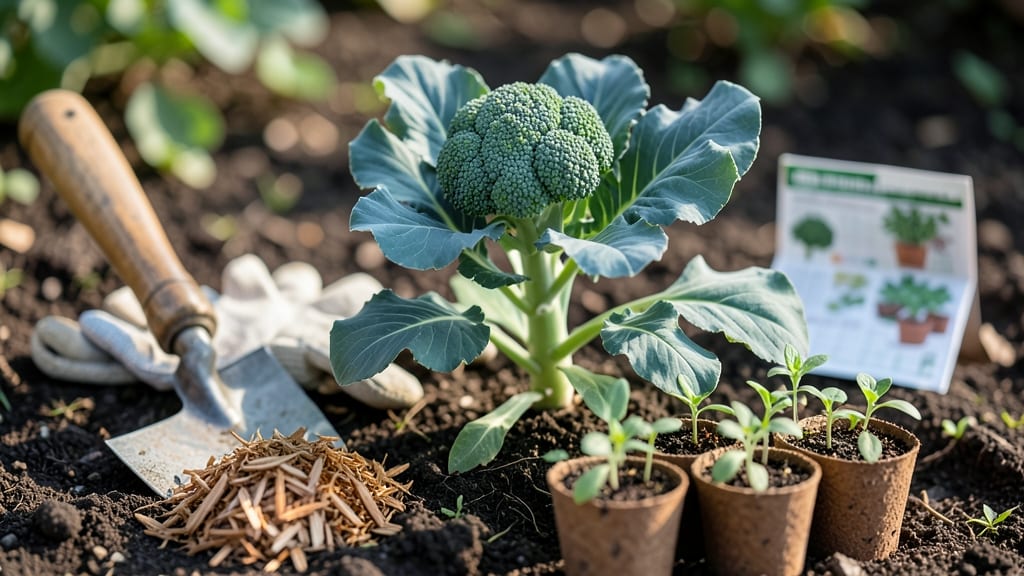
Planting broccoli 🥦 at the wrong time in Zone 6 can mean the difference between a thriving garden and a sad, wilted disappointment. The key to success isn't just throwing seeds in the dirt—it's understanding your local frost dates and soil temperatures to give your plants the best possible start.
In Zone 6, where last frosts typically hit around mid-April, timing matters more than you might think. Plant too early, and frost will nip your seedlings in the bud; too late, and you’ll miss the sweet spot for a fall harvest.
But don’t worry—with the right strategies, you can enjoy fresh broccoli from spring through early fall.
Whether you're a first-time gardener or a seasoned pro, I’ll break down the exact windows for planting in both spring and fall. You’ll learn which cold-hardy varieties thrive in your climate, how to extend your growing season with row covers, and even how to plan for continuous harvests.
Ready to grow broccoli that’s healthier, bigger, and more productive? Let’s get started with the timing that makes all the difference.
Best planting times for broccoli in Zone 6 (spring vs fall)
Timing is everything when growing broccoli in Zone 6. The last spring frost typically hits around mid-April, while the first fall frost arrives by mid-October.
These dates create two perfect planting windows: early spring and late summer. Each season offers unique advantages, from cooler temperatures to extended harvests.
For spring planting, aim to sow seeds or transplant seedlings 4-6 weeks before your last frost. This gives young plants time to establish roots before warmer weather arrives.
In Zone 6, that means starting in March for most regions. Fall planting requires a different approach—start seeds 90-100 days before the first frost, which usually lands in late August.
| Planting Window | Ideal Month | Soil Temp (°F) | Key Consideration | Actionable Tip |
|---|---|---|---|---|
| Spring Planting | March-April | 40-50°F | Avoid frost damage | Use row covers if frost threatens |
| Fall Planting | August-September | 50-60°F | Extend growing season | Choose fast-maturing varieties |
| Succession Planting | Every 2-3 weeks | 45-55°F | Continuous harvests | Sow seeds in partial shade |
Soil temperature plays a critical role in germination and growth. Broccoli seeds need soil that's at least 40°F for spring planting, while transplants thrive when soil reaches 50-60°F. Use a soil thermometer to monitor conditions—cool, damp soil speeds up germination, but overly cold soil can delay sprouting for weeks.
To extend your growing season, use row covers or cold frames in early spring and late fall. These protective barriers shield young plants from light frosts (down to 25°F) and heat stress in summer.
For fall crops, remove covers during the day to prevent overheating and add them back at night to protect against early frosts.
If you're starting from seeds, begin indoors 6-8 weeks before transplanting outdoors. Use biodegradable pots to avoid root disturbance when moving seedlings. Harden them off for 7-10 days before planting to reduce transplant shock.
For transplants, choose healthy, 6-inch-tall seedlings with dark green leaves and no signs of yellowing.
Spacing is another key factor for success. Plant broccoli heads 18-24 inches apart in rows 24-36 inches apart to allow airflow and prevent disease. In containers, use 5-gallon pots for each plant and place them in full sun.
Remember, crowded plants are more prone to bolting (premature flowering) and pest infestations.
For fall harvests, prioritize fast-maturing varieties like 'Waltham 29' or 'De Cicco,' which can go from seed to harvest in 50-60 days. These varieties are cold-hardy and perfect for late-season planting.
Start seeds in late July to ensure they mature before the first frost. If you miss this window, consider overwintering with thick mulch for an early spring harvest.
Monitor your local frost dates using the USDA Plant Hardiness Zone Map or a frost calendar for your specific region. In Zone 6, microclimates can vary—valleys stay cooler longer, while slopes warm up faster. Adjust your planting schedule based on these local conditions to maximize your yield.
Finally, keep an eye on weather forecasts during planting season. A late frost can wipe out young seedlings, while unseasonably hot weather may cause bolting. If frost is predicted, cover your plants with frost cloth or old blankets to protect them until temperatures rise.
Top cold-hardy broccoli varieties for Zone 6 gardens
When choosing broccoli for Zone 6's unpredictable climate, selecting cold-hardy varieties makes all the difference. The right variety can survive light frosts, resist disease, and still produce high-quality heads even when temperatures dip. I’ve tested these top performers in my own garden—each brings unique advantages for spring or fall planting.
For early spring plantings, look for varieties with fast maturity rates (50-60 days) to beat summer heat. In fall, prioritize disease-resistant types that tolerate cooler nights without bolting. The three varieties I recommend most are 'Waltham 29,' 'De Cicco,' and 'Calabrese'—each excels in different growing conditions.
🌱 Comparison Table: Cold-Hardy Broccoli Varieties for Zone 6
| Variety | Days to Maturity | Cold Tolerance | Best Planting Time | Disease Resistance |
|---|---|---|---|---|
| Waltham 29 | 55-65 days | Excellent (survives 25°F) | Spring or Fall | High (resists black rot) |
| De Cicco | 60-70 days | Very Good (28°F) | Fall (best for late harvests) | Moderate (watch for downy mildew) |
| Calabrese | 65-85 days | Good (30°F) | Spring (needs warm soil) | High (resists cabbage worms) |
'Waltham 29' is my go-to for spring plantings because it handles Zone 6’s early frosts like a champ. It matures quickly (55-65 days) and produces large, tight heads even when nights are chilly.
Plus, its resistance to black rot means fewer headaches in damp spring soil. I’ve seen it thrive when planted as early as March 15th in my garden.
For fall harvests, 'De Cicco' steals the show. This Italian heirloom tolerates cooler temperatures better than most and keeps producing smaller, flavorful side shoots long after other varieties bolt.
It’s perfect for late summer plantings (around August 1st) and can handle light frosts down to 28°F—ideal for Zone 6’s early October chill.
If you love large, blue-green heads and don’t mind waiting a bit longer, 'Calabrese' is worth the extra time. While it takes 65-85 days to mature, its disease resistance and heat tolerance make it a solid choice for late spring plantings (after April 15th).
Just be prepared to provide extra shade cloth if summer heat arrives early.
Pro tip: Pair these varieties with row covers for an extra layer of frost protection. I’ve extended my fall harvest by 2-3 weeks using lightweight fabric—just remove it during the day to prevent overheating.
With the right variety and timing, you’ll enjoy fresh broccoli from May through October in Zone 6.