
Plants
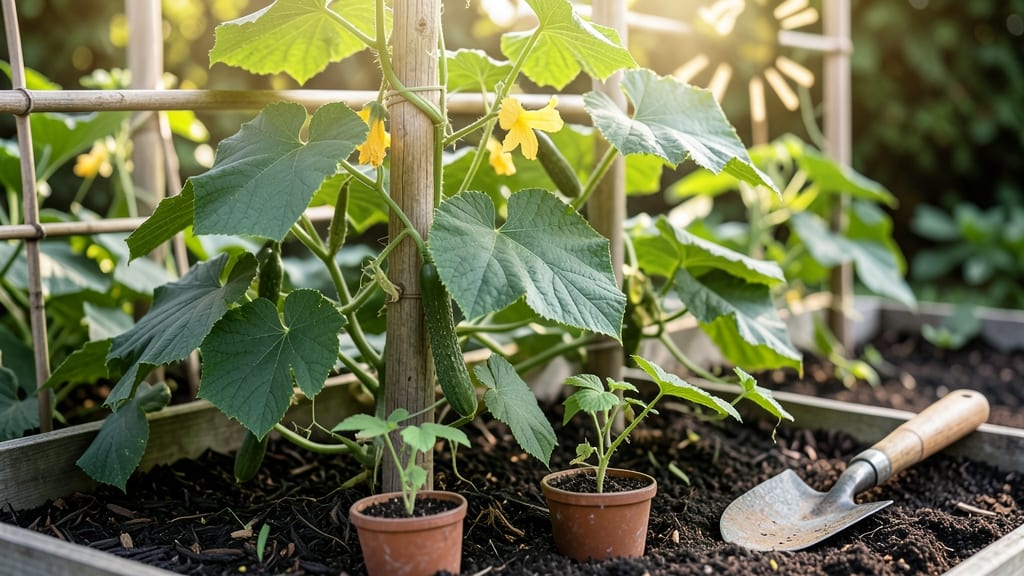
Planting cucumbers in Oklahoma at the wrong time can turn your garden dreams into a sad, wilted mess—especially when summer’s scorching heat arrives too soon.
The key to a thriving 🥒 harvest lies in knowing the exact weeks before your last frost, which varies dramatically from north to south across the state’s 6a-8a zones.
Most Oklahoma gardeners wait until late April or early June, but that window shifts based on your region. Too early, and a late frost will kill tender seedlings; too late, and your vines struggle to mature before the heat peaks.
I’ll break down the perfect planting schedule for your specific corner of Oklahoma, plus pro tips to extend your growing season.
Why does this matter? Because cucumbers thrive in warm soil—at least 60°F—and Oklahoma’s unpredictable spring weather can throw off even the best-laid plans. Whether you’re in the cooler panhandle or the balmier southern plains, timing is everything for avoiding common pitfalls like blight or stunted growth.
Let’s dive into the science-backed weeks that’ll have your cucumbers flourishing from June through September—no guesswork, just bold blooms and crisp harvests. Ready to transform your garden?
Oklahoma’s last frost dates & ideal cucumber planting windows by region
Oklahoma’s diverse climate—from the cooler northern plains to the warmer southern regions—means last frost dates can vary by 3-4 weeks. For cucumbers, a warm-season crop, planting too early risks frost damage, while waiting too long means your vines struggle in 90°F+ heat.
Let’s break down the ideal planting windows by region to maximize your harvest.
Northern Oklahoma (USDA Zones 6b-7a), including cities like Oklahoma City and Norman, typically sees its last frost around April 15-30. This means you should wait until 2-3 weeks after that date—around mid-to-late May—to plant cucumbers directly in the ground.
For transplants, you can start slightly earlier, around early May, once soil temperatures hit 60°F.
Central Oklahoma (Zones 7a-7b), like Stillwater and Moore, has a slightly longer growing season. The average last frost here is around April 1-15, so you can plant cucumbers outdoors 2 weeks later, or by early-to-mid April for transplants.
This region benefits from heat-tolerant varieties like 'Straight Eight' or 'Lemon Cucumber' to handle the summer heat.
Southern Oklahoma (Zones 7b-8a), including Tulsa and Lawton, enjoys the warmest climate. The last frost often occurs by March 15-30, allowing for earlier planting. You can direct-sow cucumbers as early as late March to early April in this region, or transplant 2-3 weeks earlier.
However, be cautious of late spring storms that can still bring chilly nights.
| Region | Avg. Last Frost | Direct Sow Window | Transplant Window | Best Varieties |
|---|---|---|---|---|
| Northern OK (OKC, Norman) | April 15-30 | Mid-to-late May | Early May | 'Straight Eight', 'Calypso' |
| Central OK (Stillwater, Moore) | April 1-15 | Early April | Late March | 'Lemon Cucumber', 'Diva' |
| Southern OK (Tulsa, Lawton) | March 15-30 | Late March-early April | Mid-to-late March | 'Sweet Success', 'Marketmore' |
For all regions, soil temperature is just as critical as air temperature. Cucumbers thrive when the soil is at least 60°F. Use a soil thermometer to check—if it’s cooler, delay planting or use black plastic mulch to warm the soil faster.
In northern Oklahoma, this often means waiting until early June for direct sowing if spring is slow to warm.
If you’re growing heat-tolerant varieties, like 'Armenian' or 'Suyo Long', you can push the envelope slightly. These cucumbers handle 90°F+ temperatures better than traditional varieties, making them ideal for late summer plantings in July or August.
Just ensure they have adequate shade cloth during peak afternoon heat to prevent sunscald.
Another pro tip: Succession planting every 2 weeks after your initial window ensures a continuous harvest through summer. For example, in central Oklahoma, plant your first batch in early April, then follow up with seeds in mid-April and early May.
This staggered approach keeps your vines productive longer and reduces the risk of powdery mildew, which thrives in crowded, humid conditions.
Finally, don’t overlook microclimates within your region. A south-facing slope or urban heat island can warm up faster than surrounding areas, allowing for earlier planting. Conversely, low-lying areas or shaded spots may need to wait until late May or June to avoid frost risk.
Always scout your garden’s unique conditions before committing to a planting date.
With these region-specific guidelines, you’ll be well on your way to a bountiful cucumber harvest—whether you’re in frost-prone northern Oklahoma or the warmer southern plains. Happy planting! 🌱
How to extend Oklahoma’s cucumber growing season for year-round harvests
Oklahoma’s scorching summers and unpredictable frosts can make cucumber growing feel like a rolling dice game. But with the right strategies, you can push your harvest well beyond the traditional June-September window.
The key lies in season extension techniques that protect tender vines from extreme heat and early cold snaps.
I’ve tested these methods in my own garden, and they’ve doubled my harvest while keeping cucumbers fresh from late spring to early fall. Whether you’re using row covers for spring starts or shade cloth for summer survival, each tactic has its place in Oklahoma’s variable climate.
- Use row covers in early spring (after last frost) to warm soil and protect seedlings from late frosts.
- Plant heat-tolerant varieties like ‘Straight Eight’ or ‘Marketmore’ in late July for fall harvests.
- Set up cold frames in September to extend harvests into October before first frost.
- Succession plant every 2 weeks from April to July for continuous production.
- Install shade cloth (30-50%) in peak summer to prevent bolting and improve fruit quality.
For spring extension, I start by planting cold-hardy varieties like ‘Northern Pickling’ under floating row covers as soon as soil reaches 60°F. These covers create a microclimate that’s 5-10°F warmer than ambient air, giving seedlings a head start before removing them when vines are established.
When summer’s 90°F+ heat arrives, I switch to shade cloth and drip irrigation. The shade prevents sunscald on fruits while keeping vines from bolting prematurely. I also mulch heavily with straw to lock in moisture and cool roots.
In late summer, I focus on succession planting with heat-resistant varieties. By July 15, I’ve already started second plantings that mature just in time for fall harvests. A cold frame over these late plants can add 4-6 weeks to the season.
Don’t forget pest control—Oklahoma’s cucumber beetles and squash bugs love extended seasons. I use neem oil and row covers to keep them at bay while still letting pollinators access the flowers.