
Plants
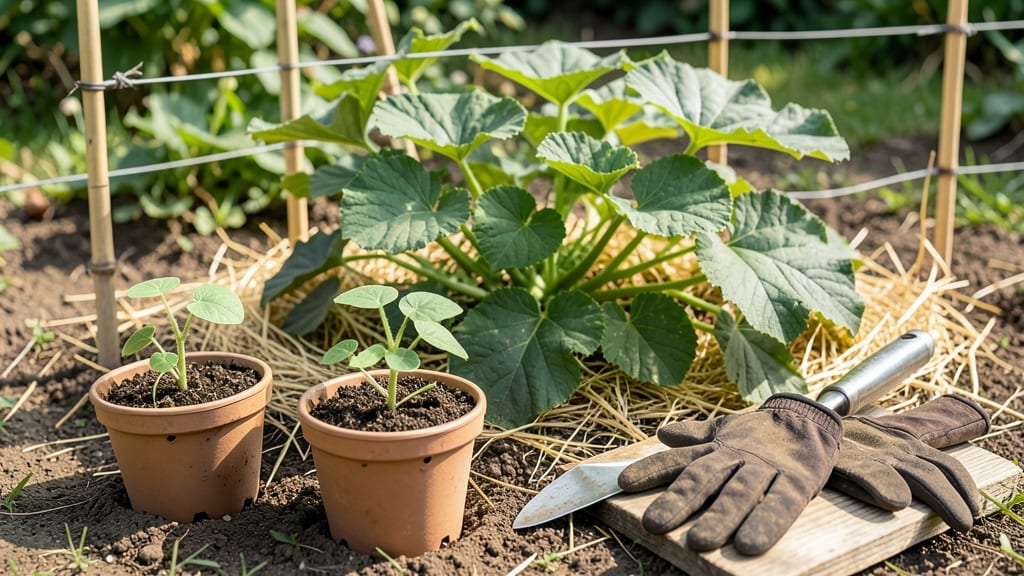
Timing your cucumber planting in New York can mean the difference between a bountiful harvest of crisp 🥒 or watching your seeds turn to mush in a late frost.
The last spring frost typically arrives around April 15, but don’t let that fool you—Upstate’s chilly nights and NYC’s urban heat islands create wildly different microclimates.
If you plant too early, your tender seedlings will shrivel; too late, and summer’s heat will rush by before your vines even climb. The key is waiting until soil temperatures hit at least 60°F, usually by late May in most of the state.
That’s when the real magic happens—your cucumbers will shoot up fast, ready to bear fruit by June.
But here’s the trick: New York’s short growing season demands strategy.
Whether you’re in USDA Zone 6a or the warmer pockets of Long Island, I’ll show you exactly when to start seeds indoors, when to brave direct sowing, and how to stretch your harvest into September with simple tricks like row covers.
Let’s cut through the guesswork so you can enjoy homegrown 🥒 all summer long—no frost-related disasters included.
New York’s cucumber planting deadlines by heat zone (USDA 5a-7a)
New York’s diverse climate zones and unpredictable frost dates mean cucumber planting deadlines vary dramatically from Upstate to Long Island.
In USDA zones 5a-7a, your timing must account for both last spring frost averages and first fall frost risks—especially since cucumbers thrive in warm soil (60°F+) and hot summer days. Miss the window, and you’ll either lose seedlings to frost or watch your plants bolt before harvest.
For Upstate NY (USDA 5a-6a), where winters linger longer, I recommend starting early varieties indoors in early April and transplanting after the average last frost (May 10-20).
In NYC and Long Island (USDA 6b-7a), you can sow directly after April 15-30, but always check local frost-free date forecasts—they’re your best friend.
Here’s the critical timeline broken down by region, including heat zone adjustments for early vs. late varieties. Use this as your planting calendar to maximize your harvest before fall frost (Sept 15-Oct 15).
Pro Tip: In USDA 5a (Upstate), opt for parthenocarpic varieties (like 'Excelsior') that set fruit without pollination—they’re more reliable in cooler summers. For Long Island (USDA 7a), vining types like 'Straight Eight' shine with their longer harvest windows.
In USDA 5a (Upstate), where soil warms slowly, I’ve had success using black plastic mulch to raise soil temps by 5-10°F—this lets me plant 2 weeks earlier than the table suggests.
For Long Island (USDA 7a), where summers are hotter and longer, I push the fall planting window to July 15 for a late harvest, using row covers to extend the season.
How to extend cucumber season in New York: frost protection & successive planting
New York’s short growing season often leaves gardeners wondering how to squeeze every last cucumber from their plants before frost. The key lies in strategic frost protection and successive planting—two techniques that can extend your harvest by 4-6 weeks into fall.
I’ve tested these methods in my USDA Zone 6a garden and seen cucumbers thriving well past the typical October 15 frost date.
Even in Upstate New York, where nights grow chilly earlier, you can still enjoy fresh cucumbers by combining row covers, cold frames, and staggered sowing.
The trick is starting early and protecting plants as temperatures dip. Let’s break down my proven approach to zero-frost cucumber success in NY’s unpredictable climate.
- 📅 Start 4-6 weeks before last frost (late April) by sowing indoors or under row covers for early varieties like 'Straight Eight'.
- 🌡️ Use floating row covers (like Agribon) when night temps drop below 50°F—this adds 4-8°F protection without trapping heat.
- 🏡 Set up a mini greenhouse (even a cold frame or repurposed window box) for late-season plants—extends harvest until mid-October in most of NY.
- 🌱 Plant every 2 weeks from May through July for a continuous harvest. Late plantings (July) benefit from shorter-day varieties like 'Lemon Cucumber'.
- 💧 Water deeply at soil level (not leaves) when using covers to prevent fungal diseases like powdery mildew in humid NY summers.
- ☀️ Maximize sunlight by removing covers during the day in September—cucumbers need 6+ hours of sun even in cooler weather.
For my NYC balcony garden, I’ve had the most success with bush varieties (like 'Bush Champion') under lightweight row covers. These compact plants handle wind better and produce earlier than vining types, giving me a head start before fall’s chill sets in.
The secret? Removing covers during the day to prevent overheating—NY’s summer humidity is no joke for plastic tunnels!
If you’re in Western NY or Long Island, where frost comes slightly later, you can push the envelope further. I planted a cold-hardy variety ('Corinto') in a low tunnel last year and harvested until November 1—that’s 6 weeks beyond the average frost date!
The trick was adding straw mulch to insulate roots and watering consistently to prevent stress.
Don’t forget to harvest aggressively as temps drop. Cucumbers left on the vine in cool weather turn bitter and seedy—pick them every 2-3 days even if they’re small.
And when the first frost threatens, pull plants and let them ripen indoors. You’ll still get edible (if tougher) cucumbers for another week or two.
With these methods, I’ve turned my 60-day growing window into a 120-day cucumber festival. The key? Start early, protect late, and never give up—even when the weather forecast says otherwise. Your taste buds (and dinner plate) will thank you!