
Plants
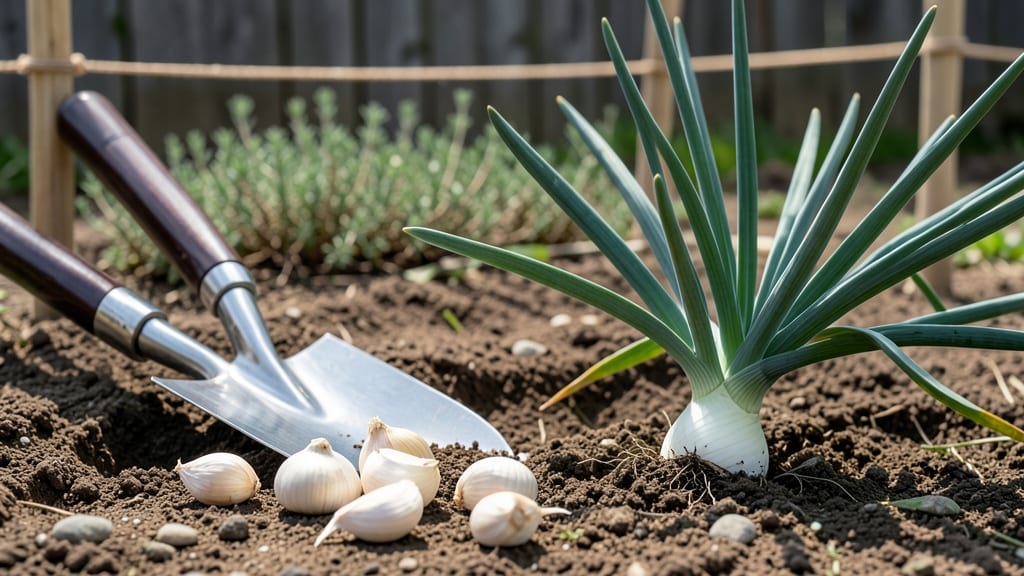
Planting garlic in Illinois at the wrong time could mean the difference between bold, flavorful bulbs and disappointing harvests. The key window—October to November—isn’t just about the calendar; it’s about giving hardneck varieties like 🧄 the cold they need to develop properly.
Most Illinois gardeners in zones 5-6 assume "fall planting" means anytime after September, but timing matters more than you might think. Plant too early, and your cloves may rot; too late, and they won’t establish strong roots before winter.
The 4-6 week rule before the ground freezes is your golden ticket to success.
I’ve tested this myself in Chicago and rural areas, and the results speak for themselves: garlic planted in early October yields larger bulbs than those sown in December. Whether you’re a beginner or a seasoned gardener, mastering this window will transform your harvest.
Ready to unlock the secrets? I’ll break down the exact months, soil prep tips, and how to adjust for Illinois’ microclimates—so you can plant with confidence and reap the rewards by next summer.
Illinois garlic planting calendar: exact months & temperature rules
Planting garlic in Illinois isn’t a one-size-fits-all task—it’s a science of timing that balances soil temperatures, frost dates, and hardneck garlic’s cold requirement. The ideal window is narrow: October through November, but the exact dates depend on your location.
Chicago’s USDA Zone 5 differs from St. Louis’ Zone 6, and rural areas may have microclimates that shift planting by weeks.
Hardneck garlic thrives when exposed to 4-6 weeks of cold temperatures (between 32°F and 40°F) before spring growth. Plant too early, and cloves may rot in warm soil; too late, and bulbs won’t mature fully.
Illinois’ first hard frost (mid-October) and last hard frost (mid-November) bookend the perfect window—but soil conditions matter more than calendar dates.
Here’s the critical rule: Aim to plant 4-6 weeks before the ground freezes. For most of Illinois, this means late October to early November. However, soil temperature (not air temperature) is the real gauge. Use a soil thermometer to confirm temps are below 50°F before planting.
| Region | USDA Zone | Ideal Planting Window | Soil Temp Requirement | Key Frost Dates |
|---|---|---|---|---|
| Northern Illinois (Chicago, DeKalb) | Zone 5 | October 15–November 15 | Below 50°F | First frost: Oct 10–20 Last frost: Nov 10–20 |
| Central Illinois (Springfield, Peoria) | Zone 5-6 | October 20–November 10 | Below 50°F | First frost: Oct 15–25 Last frost: Nov 5–15 |
| Southern Illinois (St. Louis, Carbondale) | Zone 6 | October 25–November 5 | Below 50°F | First frost: Oct 20–30 Last frost: Nov 1–10 |
| Rural/Microclimates (e.g., river valleys) | Zone 5-6 | Adjust ±7 days based on local frost | Below 50°F | Monitor local weather |
For Chicago gardeners, the October 15–November 15 window is non-negotiable. Plant before October 15, and cloves may sprout too early in warm soil; wait until after November 15, and bulbs won’t develop properly.
Use a soil thermometer to confirm temps are consistently below 50°F—this is your green light to plant.
St. Louis gardeners have slightly more flexibility due to Zone 6’s later frost dates. Focus on October 25–November 5, but prioritize soil temperature over the calendar.
If your soil stays above 50°F into November, delay planting until conditions align. Hardneck garlic needs cold, and rushing it leads to poor bulb formation.
Rural Illinois gardeners should account for microclimates, especially in river valleys or low-lying areas. These spots may frost 1-2 weeks earlier than urban centers. Adjust your planting window by ±7 days based on local observations.
If your area tends to freeze early, plant on the earlier side of the window.
One common mistake is planting garlic in September. While possible in Zone 6, early planting risks premature sprouting and rot. Save September for soil prep: till in compost, test pH (6.0–7.0), and mark your planting spots. September is for prep, October–November for planting.
Pro tip: Use mulch (straw or leaves) after planting to insulate cloves and regulate soil temperature. A 4-inch layer protects against freeze-thaw cycles and keeps soil temps stable. Remove mulch in early spring to allow shoots to emerge.
Remember: Garlic planted in fall = larger bulbs. Spring planting is possible but yields smaller, less flavorful bulbs. If you miss the fall window, plant in early spring (March), but expect 50% smaller harvests. The 4-6 week cold requirement is non-negotiable for hardneck varieties.
How to adjust planting for Illinois’ microclimates & soil types
Illinois’ diverse landscapes—from Chicago’s urban pockets to southern farmlands—create unique gardening challenges for garlic growers. Heavy clay soils in northern regions drain poorly, while urban containers in cities like Springfield struggle with heat retention.
Even within a single county, microclimates can shift planting windows by 2-3 weeks. The key? Tailoring your approach to match your specific conditions.
Southern Illinois’ warmer climate (USDA Zone 6) allows for slightly later planting—even into early December—while northern areas (Zone 5) demand earlier action by late October. Soil type also dictates success: clay soils need amending, while sandy soils benefit from moisture retention tricks.
Let’s break down how to adapt your garlic planting for these variations.
⚠️ WARNING: Planting garlic in Illinois’ heavy clay soils without prep leads to rotten cloves and stunted growth. The solution? Raise beds or mound soil to improve drainage.
For urban gardeners, container planting with well-draining mixes is your best bet—just ensure pots have drainage holes and use a 50/50 soil-perlite mix.
⚠️ Critical Timing Mistake in Illinois
Planting garlic in December or later risks overwintering failures—especially in northern Illinois. Soil temps below 40°F for extended periods can kill emerging roots. Southern Illinois has a 2-week grace period, but don’t push it past early December.
🌱 Pro Tip: Use a soil thermometer to confirm temps are 50-60°F at planting depth (4-6 inches).
For clay-heavy soils, mix in 2-3 inches of compost or aged manure before planting. This improves structure and drainage while adding organic matter. Mulch heavily with straw (4-6 inches) to protect cloves from freeze-thaw cycles that crack heavy clay.
In containers, top-dress with pine fines for acidity balance—garlic prefers pH 6.0-7.0.
Urban gardeners face different hurdles: heat reflection from buildings and limited soil volume. Choose shallow-rooted varieties like ‘Silverskin’ and plant in black containers to absorb heat.
Water containers daily in summer—they dry out faster than ground soil. Reflective mulches (like aluminum foil) can help regulate temps in small spaces.
When deciding between cloves vs. seedlings, consider your climate. Northern Illinois benefits from seedlings (plant in early October) for a head start, while southern regions can handle cloves planted in November**.
Seedlings cost more but reduce rot risk in wet springs. For maximum bulb size, plant cloves with the root end down and pointy end up—this ensures consistent growth direction.
Finally, adjust your harvest timing by region. Northern Illinois garlic often matures 2 weeks earlier than southern varieties due to cooler soils. Watch for lower leaves browning—this signals bulbs are ready. In containers, harvest 1-2 weeks earlier than ground-planted garlic, as roots compete for limited space.