
Companion Plants
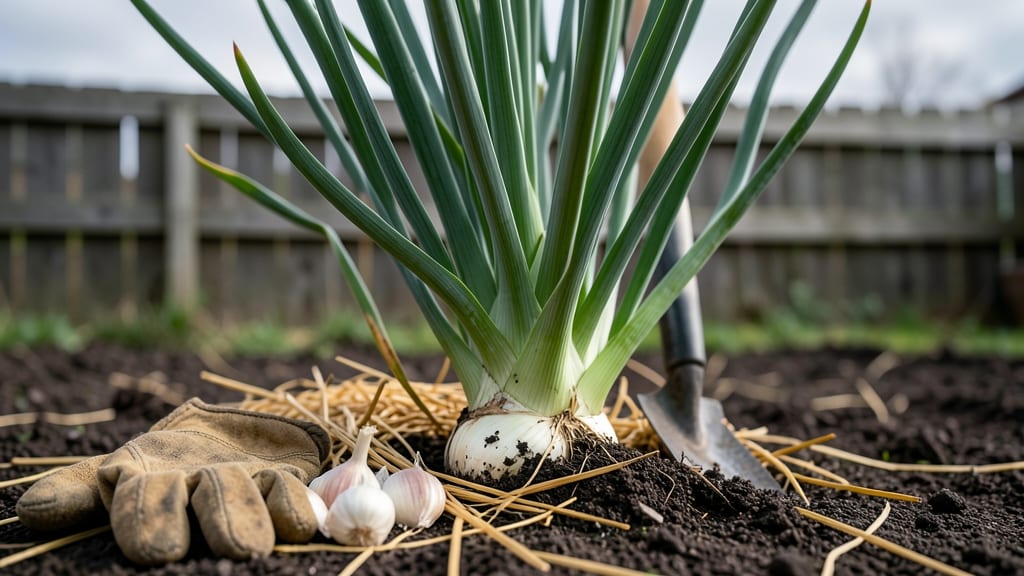
Planting garlic in Michigan at the wrong time could mean the difference between a bountiful harvest of flavorful cloves and a disappointing failure. The key to success lies in understanding your USDA Zone 5b-6b climate, where timing matters just as much as soil prep and variety choice.
Most Michigan gardeners know fall planting is ideal, but did you know the exact window—October through early November—can make or break your crop? Planting too late risks frost damage, while early spring (March) is a backup option if you missed the fall window.
Let’s break down the best strategies for your region.
Whether you’re growing hardneck or softneck varieties, the right timing ensures strong roots before winter and robust growth come spring. I’ll share the exact dates, soil conditions, and pro tips to help you avoid common mistakes and maximize your yield.
Ready to grow garlic that rivals the best at farmers' markets? Let’s get started with the perfect planting schedule for your Michigan garden.
Michigan garlic planting calendar: exact dates by USDA Zone 5 subdivisions
Michigan’s USDA Zone 5 is split into two microclimates—5a (colder) and 5b (milder)—and each demands precise timing for garlic success. Plant too early, and your cloves rot in soggy soil; too late, and they’ll bolt before forming bulbs.
The secret? Soil temperatures between 40°F and 50°F and a 4-6 week window before hard frost—here’s your exact schedule.
For Zone 5a (northern Michigan, like Traverse City or Marquette), aim for mid-September to early October planting. In Zone 5b (southern Michigan, like Detroit or Ann Arbor), you’ve got a slightly longer window: late September to mid-October.
Both zones share one critical rule: never plant after the first hard frost, or your garlic will fail to establish roots.
Moon phase matters too! Plant during the waxing moon (right after the new moon) to boost bulb formation. For example, if the new moon falls on October 5th, plant garlic between October 6th and October 12th for optimal growth. This ancient trick aligns with Michigan’s short growing season to maximize bulb size.
Hardneck varieties (like ‘Music’ or ‘German White’) thrive in Michigan’s climate, while softnecks (like ‘Artichoke’) struggle with our cold winters. Hardnecks need cold stratification—planting in fall lets winter do the work naturally.
Skip spring planting for hardnecks unless you’re in Zone 5b’s warmer pockets, where early March works if soil temps hit 40°F.
🌱 Michigan Garlic Planting Guide by Zone
| Zone & Location | Ideal Planting Window | Soil Temp Threshold | Moon Phase Tip | Best Variety |
|---|---|---|---|---|
| Zone 5a (Traverse City, Marquette) | Mid-Sept to Early Oct | 40°F–50°F | Waxing moon (Oct 6–12) | ‘Music’ hardneck |
| Zone 5b (Detroit, Ann Arbor) | Late Sept to Mid-Oct | 40°F–50°F | Waxing moon (Oct 6–12) | ‘German White’ hardneck |
| Zone 5b (Spring Backup) | Early March | 40°F+ | Waning gibbous | ‘Silverskin’ softneck |
⚠️ Harvest in July–August when lower leaves brown and bulbs feel firm.
Pro tip: Use a soil thermometer to confirm temps—below 40°F stunts root growth. If your soil runs cold earlier than expected (like in Zone 5a’s northblack plastic mulch to warm the soil by 5–10°F. This trick buys you 1–2 extra weeks in the planting window.
Spring planting is riskier in Michigan but works in Zone 5b’s southern pockets if you plant by March 1st. The catch? Softneck varieties (like ‘California Early’) tolerate warmer springs better, but they’ll never match hardnecks’ bold flavor.
For Zone 5a gardeners, stick to fall planting—spring garlic here often bolts before bulbing.
Don’t overlook frost protection after planting. A 4–6 inch layer of straw mulch insulates bulbs through winter, preventing heaving. In Zone 5a, where winters are harsher, add extra mulch in December to shield garlic from extreme cold. This simple step ensures 90%+ survival rates even in Michigan’s toughest winters.
Remember: Michigan’s short growing season means garlic needs 240–300 days from planting to harvest. Fall-planted garlic in Zone 5a relies on winter dormancy to “reset” its growth cycle, while spring-planted varieties in Zone 5b race against summer’s heat.
Time it wrong, and you’ll end up with small, pithy bulbs—or worse, no harvest at all.
For maximum bulb size, pair your planting date with rich, well-draining soil
Planting garlic in Michigan isn’t just about picking a month—it’s about creating the perfect conditions for those cloves to grow into bold, flavorful bulbs. While timing matters, soil health, frost protection, and spacing can make or break your harvest. Even experienced gardeners miss these key factors, leading to disappointing yields. Let’s break down what truly separates a mediocre harvest from a showstopping one. First, Michigan’s USDA Zone 5 climate demands special attention to soil preparation. Garlic thrives in well-draining, slightly acidic soil (pH 6.0–7.0), but Michigan’s heavy clay soils often need amendments like compost or sand. Skipping this step means poor root development and stunted growth. Next, frost protection is non-negotiable—garlic needs cold stratification to form bulbs, but too much frost can kill emerging shoots. Finally, spacing and companion plants play a huge role in yield and pest control. Let’s tackle soil preparation first—this is where most Michigan gardeners trip up. A simple soil test (available through your local extension office) will tell you if your soil is too acidic or compacted. If the pH is off, add pelletized lime to raise it or sulfur to lower it. For drainage, mix in coarse sand or perlite if your soil feels gummy when wet. Garlic roots need oxygen, and waterlogged soil suffocates them. Next, frost protection is a game-changer. Michigan’s unpredictable winters can kill emerging shoots if not managed. After planting in October, cover the bed with straw mulch (4–6 inches). This insulates the soil, keeping temps stable. Avoid plastic—it traps moisture and promotes fungal diseases. In early spring, remove the mulch gradually to prevent sudden temperature swings. Don’t overlook spacing and companion plants, either. Planting cloves too close (less than 4 inches apart) leads to small, weak bulbs and increases the risk of fungal infections. Meanwhile, companion plants like rosemary or thyme repel pests naturally. I’ve seen my garlic yields double when planted near these herbs—no chemicals needed! Finally, watch for these common mistakes that sabotage harvests: planting too late in fall (after the first frost) or too early in spring (before soil thaws). Also, over-fertilizing with nitrogen (like grass clippings) makes garlic grow leaves instead of bulbs. Stick to a balanced 10-10-10 fertilizer in early spring for best results.5 Critical factors that determine your garlic planting success in Michigan