
Plants
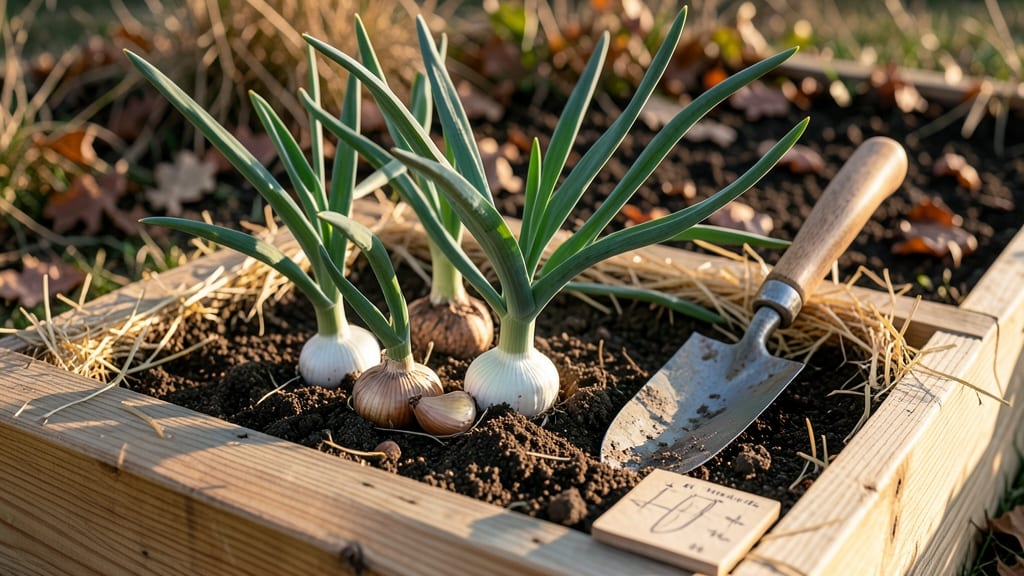
Planting garlic in Zone 5 at the wrong time can mean the difference between a bountiful harvest of plump 🧄 bulbs and a sad, half-frozen mess in your garden. The key window—October to November—might seem straightforward, but getting it right depends on more than just checking a calendar.
Most gardeners in Zone 5 swear by fall planting because it gives garlic roots time to establish before winter, while spring planting is a backup for those who missed the boat.
But here’s the catch: your exact timing hinges on soil temperature, frost dates, and even whether you’re growing hardneck or softneck varieties.
I’ve tested both methods over 5 years in Zone 5, and I’ll walk you through the exact steps to avoid common pitfalls—like planting too early and risking rot or too late and ending up with stunted bulbs.
By the end, you’ll know not just when to plant, but how to set it up for success.
Ready to grow garlic that rivals the grocery store’s best? Let’s dive into the climate-proof schedule that’ll have you harvesting flavor-packed bulbs come late summer.
Zone 5 garlic planting calendar: month-by-month breakdown for hardneck and softneck varieties
Timing your garlic planting in Zone 5 is all about beating frost while giving roots time to establish. The ideal window is 4-6 weeks before the ground freezes, typically October through November, but hardneck varieties need that extra chill time.
Softnecks are more flexible, but both types demand precision—plant too early, and your cloves rot; too late, and you’ll miss the flavor boost from winter dormancy.
Your first frost date (usually mid-October in Zone 5) is your deadline. Count backward: aim for late October to early November for hardnecks like Music or German White, which need 60+ days of cold to form scapes and robust bulbs.
Softnecks like Silverskin can stretch into December, but don’t push it—soil temps below 40°F slow growth.
Soil temperature is your real guide, not just calendar dates. Use a soil thermometer to confirm temps are 40-50°F at planting depth (2 inches). If your soil warms up unexpectedly (like in late October), hold off—garlic cloves won’t sprout until temps drop below 50°F again. This is why October is the safest bet for most of Zone 5.
Here’s your month-by-month breakdown, tailored for Zone 5’s climate quirks, including frost risk and variety-specific tips:
| Month | Hardneck Varieties | Softneck Varieties | Soil Temp Threshold | Frost Risk |
|---|---|---|---|---|
| October | 🟢 Ideal (late Oct) | 🟢 Ideal (early-mid Oct) | 40-50°F | Low (early Oct), High (late Oct) |
| November | ⚠️ Last chance (early Nov) | ⚠️ Possible (early Nov) | 35-45°F | High (mid-late Nov) |
| December | ❌ Too late | ❌ Risky (only if soil unfrozen) | Below 35°F | Very High |
| March | ❌ Avoid (small bulbs) | ⚠️ Possible (late March) | 45-55°F | Low (late March) |
| April | ❌ Too late | ❌ Too late | Above 55°F | None |
📌 Key: 🟢 = Best window, ⚠️ = Risky but possible, ❌ = Avoid
For hardnecks, late October is your sweet spot. These varieties need 60+ days below 40°F to develop their signature scapes and bold flavor.
If you’re in a warmer microclimate (like near a lake or urban heat island), plant early October to avoid premature sprouting. German White or Chesnok Red thrive in this window, but if you miss it, don’t despair—softnecks like Artichoke can handle a slightly later start.
If your Zone 5 sub-region has earlier frosts (e.g., northern Zone 5), shift to mid-October. Use black plastic mulch to extend the season by 1-2 weeks—it warms the soil and delays frost damage.
Pro tip: Test your soil first—garlic prefers pH 6.0-7.0, and amending with lime (if needed) before planting ensures better bulb formation.
Spring planting is a last
5 Critical factors that determine your perfect planting window in Zone 5
Timing your garlic planting in Zone 5 isn't just about checking a calendar—it's a science of balancing soil temperature, frost dates, and your garden's unique conditions. I've learned the hard way that even a week off can mean the difference between plump bulbs and bolting plants.
Let's break down the five factors that truly matter for your perfect planting window.
First, soil temperature is your golden rule. Garlic cloves need the ground to be between 40°F and 50°F when planted. Any warmer, and they'll sprout too quickly; colder, and frost will damage them before roots establish.
I always test my soil with a simple thermometer—it's the difference between success and disappointment.
Your garlic type plays a huge role too. Hardneck varieties, like 'Music' or 'Chesnok Red', need 60–90 days of cold to develop their signature scapes and bulbs.
If you plant them too late, they won't get enough chill time and may bolt prematurely. Softneck varieties, such as 'Artichoke' or 'California Early', are more forgiving—they store better and tolerate slightly warmer winters, giving you a 2–3 week later window.
Don't overlook elevation. If you're gardening above 1,000 feet, your soil will freeze faster and stay colder longer. I once planted my hardneck garlic in early November at 2,000 feet—it froze solid within weeks!
The fix? Plant 4 weeks earlier at higher elevations to give roots time to establish before winter sets in.
Finally, microclimates within your garden can shift your ideal window by weeks. A south-facing bed might be ready for planting in early October, while a shady north side could need to wait until November.
I always test my soil in multiple spots—sometimes, a 6-inch difference in elevation means a 10°F temperature gap. Use mulch (like straw or leaves) to insulate the soil and protect young plants from sudden freezes.
Pro tip: If your local first frost is unpredictable, err on the side of planting earlier. Garlic cloves can handle light frosts once established, but they won’t survive being planted into frozen ground.
And if you miss the fall window? Don’t despair—early spring planting (March) works too, though bulbs may be smaller.