
Companion Plants
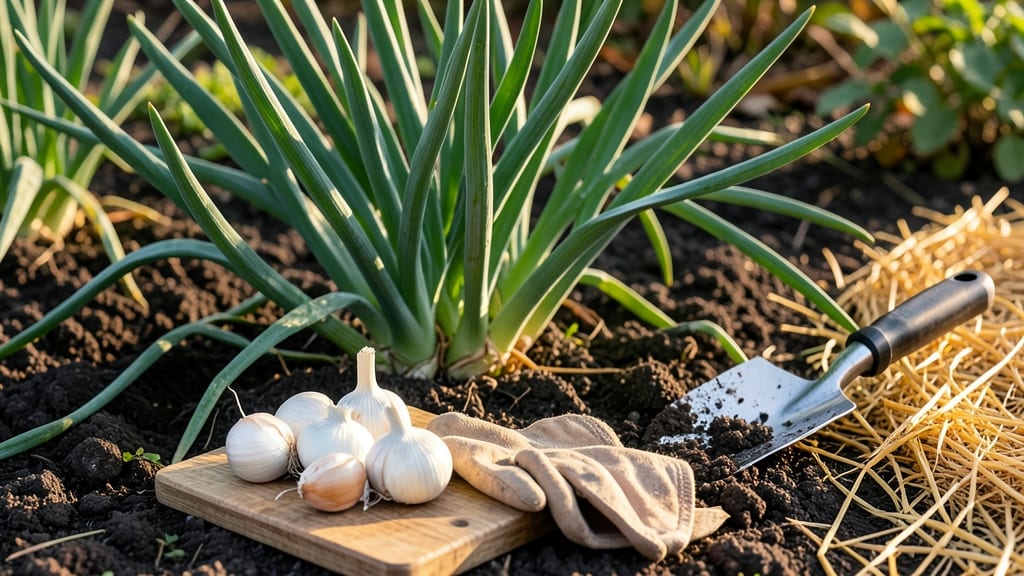
To plant garlic in Zone 6 and guarantee those plump, flavorful bulbs you crave, timing is everything—and most gardeners miss the 6-week fall window that makes all the difference. 🧄
Think you can just toss cloves in the ground whenever? Wrong. Planting too early or too late stunts root growth, leaving you with puny harvests. I’ve seen the difference firsthand—proper fall timing means bulbs that double in size compared to rushed spring plantings.
Here’s the secret: Zone 6’s 6a-6b climate demands planting 4-6 weeks before the ground freezes, typically between mid-October and November. But there’s more to it than just dates—soil temperature, variety choices, and even your microclimate play a role.
Let’s break down the exact window, variety selection, and care tips to ensure your garlic thrives from clove to harvest. Ready to grow the best crop of your life?
Zone 6 garlic planting calendar: best fall dates for optimal growth
Garlic thrives in Zone 6 when planted in fall, but timing is everything. The ideal window is a 6-week period before the ground freezes—typically late October to early November.
This gives roots time to establish before winter dormancy, ensuring larger bulbs next summer. Planting too early or late disrupts root growth and reduces yield.
Soil temperatures below 40°F (4°C) signal it's time to plant. Use a soil thermometer to confirm—garlic cloves need cool soil to sprout properly. In Zone 6, this usually aligns with mid-October, but microclimates (like urban heat islands) may shift your window by 1-2 weeks earlier or later.
Here’s the science-backed breakdown for Zone 6 garlic planting, including variety-specific adjustments and frost timing:
Hardneck varieties like Rocambole or German White need cold vernalization (40°F or lower for 4–6 weeks) to form bulbs. Plant these 4–6 weeks before the first hard frost (usually late October). Softnecks, like Silverskin, tolerate slightly later planting but still benefit from an early start.
Microclimates play a huge role. If your garden sits in a warm microclimate (e.g., near a building or paved area), plant 1–2 weeks earlier to avoid soil warming too quickly. Conversely, cold microclimates (like open fields) can delay planting by a week without risking frost damage.
Planting garlic too early (e.g., September) risks premature sprouting and weak roots. Too late (e.g., December), and the cloves won’t establish roots before dormancy, leading to small, poor-quality bulbs. Aim for 6–8 weeks of root growth before winter sets in.
Pro tip: Use mulch (straw or leaves) after planting to insulate soil and regulate temperatures. This extends the planting window by 1–2 weeks in marginal climates. Just ensure the mulch doesn’t smother the cloves—leave 1–2 inches of soil exposed.
For Zone 6 gardeners, the sweet spot is planting mid-October for most areas. Check your local USDA frost dates and adjust by 4–6 weeks. If you miss fall, spring planting is possible but yields 50–70% smaller bulbs—not ideal for storage or culinary use.
Remember: Garlic roots grow best in cool soil, not warm. Planting in fall ensures robust root systems that translate to plump, flavorful bulbs by next summer. Mark your calendar now—your future harvest depends on it!
How to choose garlic varieties for Zone 6’s short growing season
Zone 6’s short growing season demands careful garlic variety selection. The right choice ensures robust bulb development and flavor intensity despite limited time. Hardneck and softneck types each offer unique advantages, but only specific varieties thrive in our cold winters and early springs.
Hardneck garlic, like Rocambole or German White, excels in Zone 6 because its cold-hardy nature produces large bulbs with flavorful scapes. Softneck varieties, such as Artichoke, store longer but need slightly warmer microclimates. Your bulb size goals and storage needs will determine which type suits you best.
For quick reference, here’s how these varieties rate for Zone 6’s conditions: