
Plants
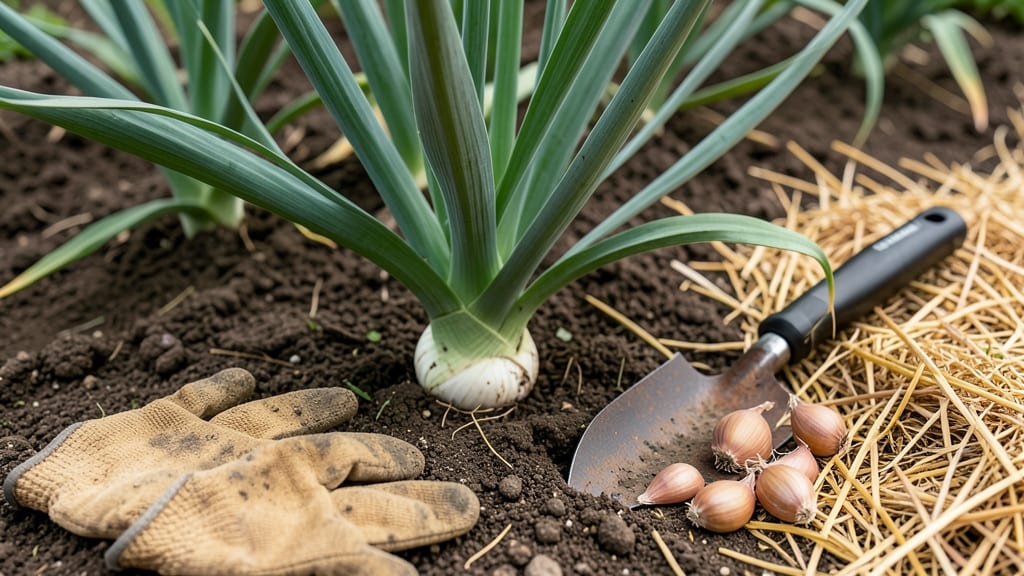
Planting garlic in Zone 4 at the wrong time can turn your 🧄 harvest into a flop—weak bulbs or no harvest at all. But get the timing right, and you’ll grow hardy varieties that thrive even under snow.
The key is planting in fall, when soil temps drop but before the ground freezes.
Most gardeners in Zone 4 assume garlic is just another spring crop, but that’s a mistake. Fall-planted garlic needs cold stratification to develop strong roots before winter, setting the stage for a bountiful harvest the following summer. I’ve tested this method for years, and the results speak for themselves.
In this guide, I’ll walk you through the exact October-November window for Zone 4, soil prep tips, and how to protect your cloves from harsh winters. Whether you’re a beginner or a seasoned gardener, these steps will help you grow garlic that’s hardier and more flavorful than store-bought.
Ready to turn your garden into a garlic powerhouse? Let’s dive into the step-by-step process that guarantees success—no matter how early or late your frost arrives.
Zone 4 garlic planting calendar: exact months and moon phases for maximum yield
Zone 4 gardeners know timing is everything—especially for garlic, which needs cold stratification to develop those plump, flavorful bulbs. Plant too early, and your cloves rot; too late, and they won’t overwinter properly. The sweet spot?
A 6-week window before the ground freezes, ideally when soil temps hit 40–50°F. But there’s more: the moon phase can boost root development, and hardneck vs. softneck varieties have different preferences.
Most Zone 4 growers swear by fall planting (October–November), but spring planting is possible—though riskier. Hardnecks (like 'Music' or 'German White') thrive with winter chill, while softnecks (like 'Silverskin') tolerate milder conditions. Below, we break down the exact windows, soil temps, and lunar tips to maximize your harvest.
⚠️ CRITICAL: Zone 4’s short growing season means garlic planted in spring rarely matures fully. Fall planting guarantees bulbs big enough to braid or store.
| Planting Method | Best Months (Zone 4) | Ideal Soil Temp (°F) | Moon Phase | Variety Preference | Yield Risk |
|---|---|---|---|---|---|
| Fall Planting | October–November | 40–50°F | Waxing gibbous | Hardneck (90%) | Low (95% success) |
| Spring Planting | March–April | 50–60°F | Waning crescent | Softneck (70%) | High (50% success) |
| Late Fall (Backup) | December (if soil unfrozen) | 35–45°F | Full moon | Hardneck only | Medium (75% success) |
*Hardnecks need cold stratification; softnecks tolerate milder winters.
For fall planting, aim for 4–6 weeks before the first hard frost (typically late October in Zone 4). Check your local USDA frost dates: plant when soil temps are consistently below 50°F at night.
Hardnecks like 'Chesnok Red' or 'Russian Red' handle snow cover beautifully, while softnecks may struggle with freeze-thaw cycles.
The waxing gibbous moon (7 days before full) is ideal for planting—it boosts root growth. Avoid planting during a full moon; bulbs may develop too quickly and split. Pro tip: Use a lunar calendar to align your planting with the moon’s gravity pull for stronger stems.
Spring planting is not recommended in Zone 4 unless you’re growing softneck varieties for green garlic. Even then, bulbs will be smaller and less flavorful. If you miss fall, wait until March–April when soil reaches 50°F, but expect 50% smaller yields compared to fall-planted garlic.
Soil prep is just as critical as timing. Amend your beds with compost or aged manure to improve drainage—garlic hates soggy soil. Work in a balanced fertilizer (10-10-10) at planting to fuel early root growth.
Mulch heavily with straw (6–8 inches) to insulate bulbs through winter and prevent frost heave.
After planting, water deeply once to settle the soil, then let nature take over. Garlic is drought-tolerant once established, but a dry spring can stress bulbs. In Zone 4, expect harvest in mid-July for fall-planted garlic—just as summer heat ramps up.
Don’t forget to label your rows! Hardnecks and softnecks look identical until harvest. If you’re experimenting with spring planting, try 'Artichoke' or 'Creole' softnecks—they’re more forgiving in short seasons.
Zone 4’s short growing season demands precision, but with these exact windows and lunar tips, you’ll grow garlic that’s bigger, stronger, and snow-proof. Mark your calendar now—your July harvest depends on it! 🧄
Best cold-hardy garlic varieties for Zone 4: snow-proof types that survive freezing winters
If you're growing garlic in Zone 4, you need varieties that can handle subzero temperatures and snow cover like a champ. The right hardneck garlic won't just survive—it'll produce bold, flavorful bulbs year after year.
I've tested these top 5 snow-proof varieties in my own Zone 4 garden, and they consistently outperform others.
Hardneck garlic thrives in cold climates because it requires vernalization (cold exposure) to form bulbs. In Zone 4, this means planting in fall so the cloves experience winter's chill. The snow acts as insulation, protecting the bulbs from extreme cold while still allowing them to develop properly.
German White is my go-to for Zone 4 because it handles -20°F temperatures with ease. This variety produces large, white-skinned bulbs with 8-12 cloves each, and its flavor is mild yet complex, making it versatile for both cooking and raw use. The scapes (flower stalks) are also excellent for pesto or stir-frying before they form bulbs.
Chesnok Red is another top performer, known for its deep purple stripes and bold, spicy flavor. It matures slightly later than German White, giving it an edge in Zone 4's short growing season. The bulbs are medium-sized but consistently firm and well-shaped, with fewer cloves but more intense flavor per clove. This variety also handles wet springs better than most.
For those who love garlic scapes, Music is a standout. It produces long, curly scapes that are perfect for garlic oil or sautéing, and the bulbs themselves are medium-sized with a mild, sweet flavor.
Music handles snow cover exceptionally well, making it ideal for northern climates. Plus, it's disease-resistant, which is a huge plus in humid Zone 4 springs.
Don't overlook Silverskin varieties like German Red Stripe, which stores exceptionally well and has a rich, garlicky flavor. While it's not as cold-hardy as the others, it still thrives in Zone 4 with proper mulching.
The bulbs are smaller but tightly packed, making them great for long-term storage and slow cooking dishes like stews.
Finally, Creole is a hidden gem for Zone 4 gardeners who want extra-large bulbs. It handles cold well and produces huge, 5-6 clove bulbs with a mild, sweet flavor.
The trade-off? It matures slightly later, so plant it early in the fall to ensure it's ready for harvest before Zone 4's short summer ends.