
Plants
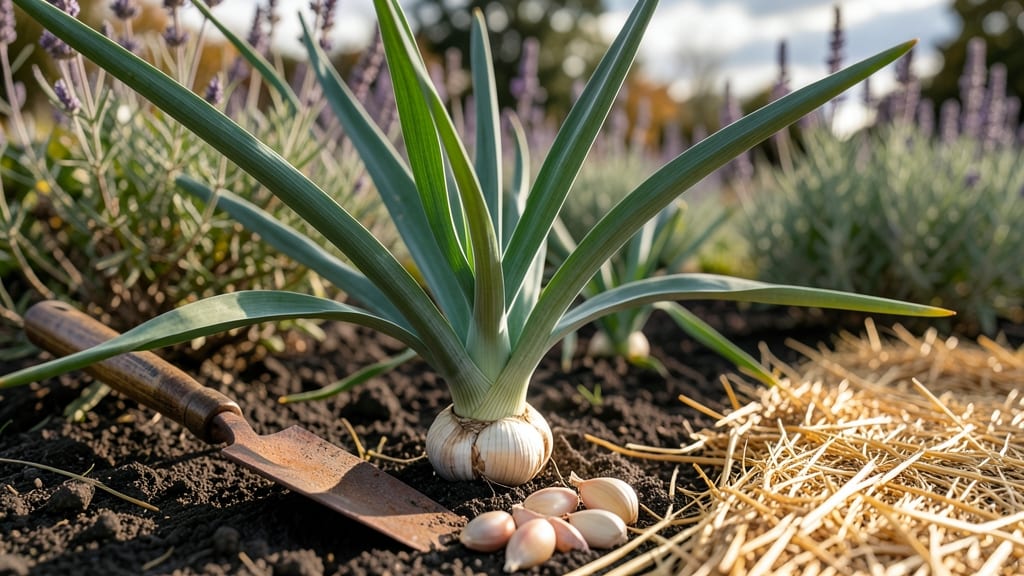
Planting garlic in Missouri at the wrong time means tiny bulbs—or worse, no harvest at all. But timing it just right in fall unlocks bold, flavorful 🧄 harvests that beat even store-bought garlic.
The secret? Getting those cloves in the ground 4-6 weeks before the first hard frost hits your zone.
Missouri’s 5b-6b climate gives you a narrow window—typically between October and November—to plant garlic for maximum success. Too early, and your cloves might sprout too soon; too late, and winter’s chill won’t trigger the bulb-forming process.
I’ll break down the exact dates for your specific zone and how to prep your soil for foolproof growth.
Whether you’re a first-time gardener or a seasoned pro, this guide cuts through the guesswork. You’ll learn how to choose the right garlic variety, avoid common Missouri mistakes (like raccoon raids or soggy soil), and even adjust for early or late winters.
Let’s make sure your garlic thrives—no frost-related surprises included.
Ready to grow garlic that’s plump, pungent, and perfect? The clock’s ticking, and the best time to plant is now. Here’s your step-by-step Missouri planting plan to guarantee a harvest that’ll make your kitchen—and your neighbors—jealous.
Optimal Missouri garlic planting dates by hardiness zone
Missouri’s USDA hardiness zones 5b-7a create distinct garlic planting windows, where timing directly impacts bulb size and winter survival. The key is planting 4-6 weeks before the ground freezes—typically between October 1st and November 15th, depending on your zone.
In colder northern Missouri (zone 5b), aim for early October, while southern areas (zone 7a) can wait until mid-November.
Garlic needs cold stratification to form bulbs, so planting too early (like September) can trigger premature sprouting.
Conversely, late planting (December+) risks frost damage before roots establish. Hardneck varieties (like Music or German White) thrive in Missouri’s winters, while softneck types (like Silverskin) need slightly earlier planting to avoid cold stress.
Soil temperature is your best guide: plant when soil is 40-50°F and dropping. Use a soil thermometer to confirm—this usually aligns with average first frost dates (mid-October in northern MO, late October in southern MO). For zone 6b, the sweet spot is October 15th-30th, balancing cold needs with frost risk.
Missouri’s variable winters add complexity. If your area had an early freeze (like 2021’s November snow), shift planting to September 20th-October 10th for hardneck varieties. Conversely, mild winters (like 2016) allow later planting—up to November 15th—but may reduce bulb size.
Always check local frost records from the Missouri Climate Center for precision.
🌱 Missouri Garlic Planting Window by Zone
| Zone | Ideal Planting Window | Soil Temp Trigger | Best Variety | Frost Risk |
|---|---|---|---|---|
| 5b (North MO) | October 1–15 | 40–45°F | Hardneck (Music, Rocambole) | High (early frost) |
| 6a (Central MO) | October 15–30 | 45–50°F | Hardneck (German White, Purple Stripe) | Moderate |
| 6b (Central-South MO) | October 20–November 5 | 45–50°F | Hardneck or Softneck (Artichoke) | Low-Moderate |
| 7a (South MO) | November 1–15 | 50–55°F | Softneck (Silverskin, Creole) | Low |
💡 Pro Tip: For zone 6b-7a, softneck varieties can be planted 2 weeks later than hardnecks to avoid winter damage.
Adjust your planting date based on weather forecasts and historical frost data. If a cold snap is predicted, plant earlier—even in zone 7a. Conversely, if your winter was unseasonably warm (like 2023’s December thaw), delay planting until late October to prevent premature sprouting before cold stratification occurs.
Hardneck varieties require cold to form bulbs, so they’re the best choice for zones 5b-6b. In zone 7a, where winters are milder, softneck garlic (like Silverskin) performs better but needs earlier planting to avoid heat stress.
For maximum yield, plant hardnecks by November 1st in zone 6b and softnecks by October 15th in zone 7a.
Missouri’s microclimates add another layer. Urban areas (like St. Louis) may experience ear
Step-by-step fall planting checklist for Missouri garlic
Missouri’s fall garlic planting requires precision—especially when dealing with hardneck varieties that need cold exposure to form bulbs. I’ve planted garlic here for years, and the difference between a 6-week window and a missed opportunity is just a few extra weeks of warmth.
Let’s break down the exact steps to ensure your cloves establish roots before winter sets in.
First, you’ll need to prep your soil and site to match Missouri’s USDA Zones 5b-6b. The key is planting 4-6 weeks before the ground freezes, typically between mid-October and early November.
But don’t wait too long—if the soil temperature drops below 50°F, root growth slows dramatically, leaving your garlic vulnerable to winter heaving or raccoon raids.
Use a soil pH test kit to confirm your soil is between 6.0-7.0. Missouri’s clay-heavy soils often need compost or aged manure (1-2 inches mixed in). Add a balanced fertilizer (5-10-10) at planting time.
For Missouri, hardneck varieties (like ‘Music’ or ‘German White’) thrive in cold winters. Softnecks (e.g., ‘Silverskin’) are better for milder zones but struggle with our freezes. Buy organic, untreated cloves from local nurseries to avoid pests.
Space cloves 4-6 inches apart in rows 12 inches apart. Plant the pointy end up, 2 inches deep—deeper in sandy soil, shallower in clay. This prevents volunteer garlic (unwanted sprouts) and makes harvesting easier.
Missouri’s raccoons and deer love fresh garlic cloves. Use wire mesh cages or row covers until the ground freezes. For extra protection, plant near deterrent plants like onions or marigolds.
Apply 4-6 inches of straw or leaves after planting. This insulates cloves from temperature swings and suppresses weeds. Remove mulch in early spring to avoid rot.
After planting, your garlic needs minimal care until spring. Water deeply once after planting if rainfall is scarce, then let nature take over. The cold winter months are crucial—hardneck garlic needs 40-60 days below 40°F to form bulbs.
In Missouri, this typically happens from December through February, so don’t rush to cover your beds.
Thirty days post-planting, check for sprouting. If shoots emerge before winter, they’ll be tender and frost-sensitive. If this happens, cover with mulch immediately to protect them. By early March, you’ll see green shoots—this is your cue to remove mulch and prepare for spring growth.
Fertilize lightly with compost tea in April to boost bulb development.
Missouri’s garlic harvest runs from late June to July, but the real magic happens in those first 30 days after planting**. Get it right now, and you’ll avoid the heartache of small, weak bulbs or total crop failure.
With this checklist, your garlic will be ready to outperform store-bought—and your neighbors will be jealous! 🧄