
Plants
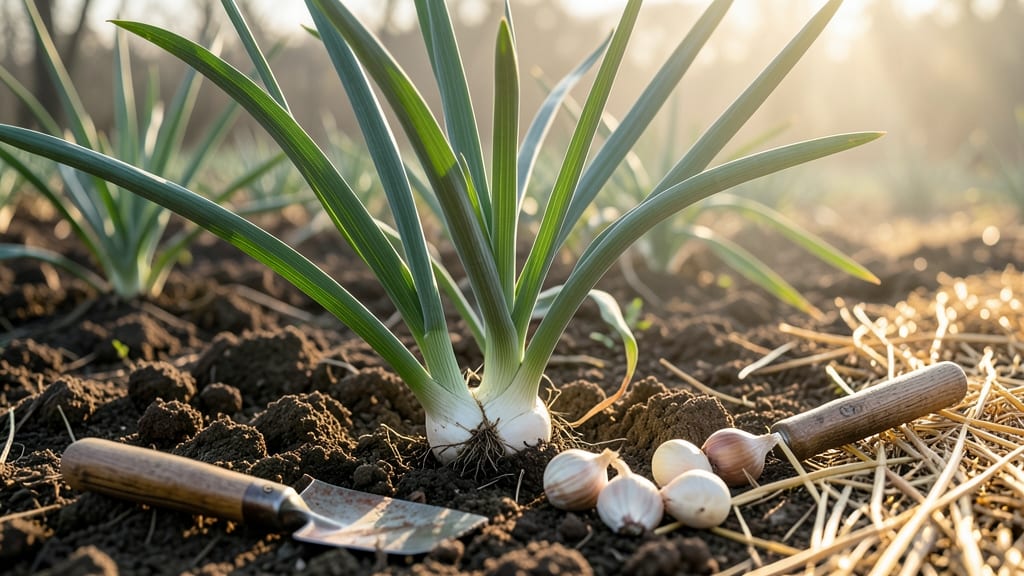
Planting garlic in Zone 7 at the wrong time can turn your 🧄 dreams into disappointing harvests—too early, and frost ruins your cloves; too late, and you’ll miss out on those plump, flavorful bulbs you crave.
The secret to success lies in understanding exactly when to get those cloves into the ground for maximum growth potential.
Most gardeners in Zone 7 (7a-7b) swear by fall planting as the golden window, but timing isn’t just about the calendar—it’s about soil temperature and frost dates. If you miss that October-November sweet spot, don’t panic: early spring planting can still yield great results with a few adjustments.
Let’s break down the exact months and methods that’ll give you the biggest, most flavorful garlic bulbs.
You’ll learn how to prepare your soil, space those cloves just right, and even troubleshoot if you plant outside the ideal window. Whether you’re a seasoned gardener or a first-timer, these tips will help you grow garlic that’s larger and more abundant than ever before.
From choosing the perfect variety for your climate to knowing when to harvest in mid-summer, we’ve got the complete guide to turning your Zone 7 garden into a garlic-growing powerhouse. Let’s get those cloves in the ground at the perfect time!
Optimal planting months for garlic in Zone 7: science-backed timing
Garlic thrives in Zone 7 when planted during a 6-8 week window before the first hard frost. For most of Zone 7, this means October through early November—a timing window that ensures your garlic develops large, flavorful bulbs rather than small, underdeveloped ones.
The science behind this timing lies in garlic's cold requirement for bulb formation, combined with the need for a long growing season before summer heat arrives.
In Zone 7, the first hard frost typically hits between November 1 and November 15, depending on whether you're in Zone 7a or 7b. Planting garlic 4-6 weeks before this date gives it enough time to establish roots, sprout, and begin bulb formation before the ground freezes.
This timing also ensures that garlic won't bolt (flower prematurely) due to heat stress in the following summer.
Here’s why this window works best for both hardneck and softneck varieties. Hardneck garlic, which produces scapes (flower stalks), benefits from cold stratification to trigger bulb development.
Softneck varieties, while more cold-tolerant, still need this pre-winter window to maximize bulb size. Missing this window can result in smaller bulbs or even failed harvests.
The soil temperature plays a critical role in garlic's success. For optimal planting, the soil should be between 45-55°F (7-13°C). This temperature range allows cloves to sprout without overheating, which can cause them to rot.
If you plant too early (e.g., September), the soil may still be too warm, leading to premature sprouting and weak plants. Conversely, planting too late (e.g., December) risks frost damage before roots establish.
Hardneck garlic varieties, like 'Music' or 'German White,' are particularly sensitive to timing. They require a period of cold to form bulbs, and planting them outside the October-November window can result in smaller bulbs or no bulbs at all. Softneck varieties, such as 'Silverskin' or 'Artichoke,' are more forgiving but still benefit from the same timing for maximum bulb size. If you're unsure which type to plant, hardnecks are a great choice for Zone 7—they’re hardier and produce flavorful scapes that are edible.
To ensure your garlic gets the best start, prepare the soil by amending it with compost or well-rotted manure to improve drainage and fertility. Garlic prefers loamy, well-draining soil with a pH between 6.0 and 7.0.
Plant cloves 2 inches deep, with the pointed end facing up, and space them 4-6 inches apart in rows spaced 12 inches apart. This spacing allows for proper airflow and reduces the risk of fungal diseases like white rot.
After planting, apply a 2-3 inch layer of mulch, such as straw or leaves, to insulate the soil and protect cloves from freeze-thaw cycles. This mulch layer also helps retain moisture and suppresses weeds.
By following these steps, you’ll give your garlic the best chance to develop into large, healthy bulbs ready for harvest the following summer.
If you’re planting in early spring (February-March), the bulbs will still grow but may be smaller and less flavorful compared to fall-planted garlic. Spring garlic is often harvested for its green shoots rather than bulbs, making it a good option if you miss the fall window.
However, for the best results, stick to the October-November planting window for maximum bulb development.
Remember, garlic is a cool-season crop, and its growth is triggered by cold temperatures. By planting at the right time, you’re essentially giving your garlic a head start on the growing season, allowing it to focus on bulb development rather than just leaf growth.
This timing ensures that by the time summer arrives, your garlic will be ready for harvest with <
Zone 7 garlic planting calendar: what to do if you miss the window
Missed the ideal October-November planting window for garlic in Zone 7? Don’t panic—there are still ways to salvage your harvest. Late plantings in December or January can still produce edible garlic, though you’ll need to adjust your approach.
The key is understanding how to extend the season while managing expectations for bulb size versus green shoot yield.
First, recognize that garlic planted after December 1st in Zone 7 will likely produce smaller bulbs but can still yield flavorful green shoots. This is because the plant needs 6-8 weeks of cold stratification to develop properly. If you’re late, focus on maximizing shoot growth rather than bulb size.
⚠️ Late Planting Risks in Zone 7
Planting garlic after December 1st in Zone 7 increases risks of rotting cloves from winter moisture and reduced bulb development. If soil temps stay above 40°F (4°C) for extended periods, roots won’t establish properly. Use cold stratification and container gardening to mitigate these issues.
For late plantings, opt for container gardening to control soil conditions. Use 5-gallon pots with well-draining soil and place them in a protected location (like a cold frame or unheated garage). This gives you control over moisture and temperature, which are critical for late-season success.
Adjust your expectations by focusing on green garlic harvests rather than mature bulbs. Late-planted garlic will produce tender shoots that are perfect for cooking, even if the bulbs don’t fully develop. Harvest green shoots when they reach 8-12 inches tall—this can happen as early as spring for late plantings.
Avoid these common mistakes when extending the season: overwatering (which causes rot), planting in poorly draining soil, or ignoring mulch protection. Instead, use straw mulch (4-6 inches thick) to insulate cloves and prevent heaving.
Also, choose hardneck varieties like 'German White' or 'Music', as they tolerate cold better than softnecks.
If you’re planting in January, consider a spring harvest strategy. Plant cloves in well-drained containers and move them to a sunny windowsill or greenhouse once soil warms in late February. This method prioritizes shoot growth over bulb development, giving you an early crop of green garlic.
Remember, even late plantings can be rewarding. With the right adjustments—containers, cold stratification, and mulch—you’ll still enjoy fresh garlic, whether as bulbs or shoots. Happy gardening! 🧄