
Plants
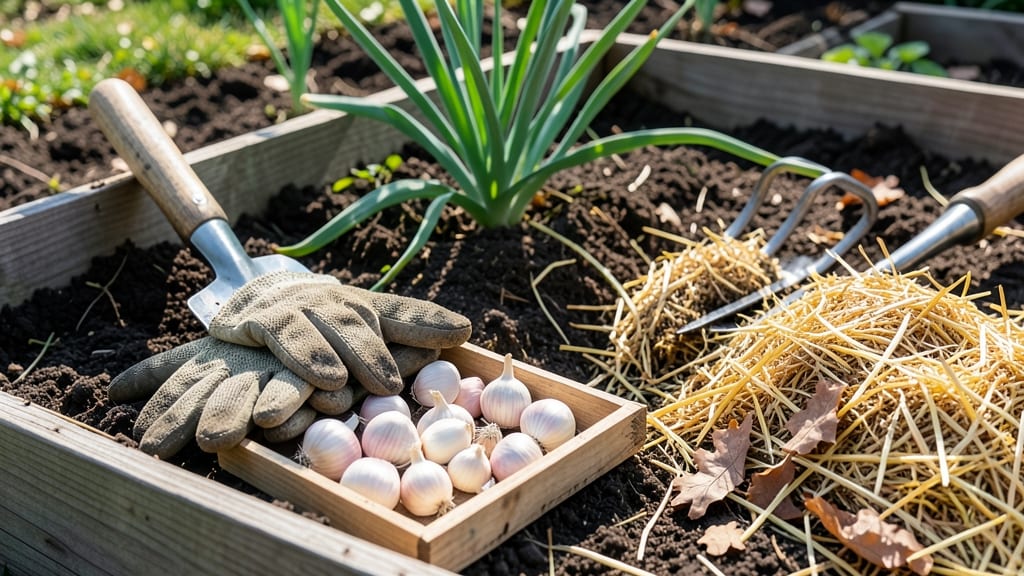
Planting garlic in Upstate New York at the wrong time means watching your crop freeze before it even gets a chance to grow. But get the timing right, and you’ll harvest bold, flavorful bulbs that beat anything you can buy.
The key is planting hardneck varieties between late September and early October, when soil temperatures drop but frost hasn’t yet set in.
Upstate NY’s 5b-6b climate demands precision—too early, and cloves rot; too late, and they won’t root before winter. I’ve learned the hard way that waiting until the ground cools to 50°F (10°C) is the sweet spot.
This ensures your 🧄 gets established before the first frost, setting the stage for next summer’s harvest.
Spring planting is an option, but it’s riskier in this region. If you miss the fall window, aim for early March—just be ready to protect young shoots from late frosts. Either way, proper spacing and well-drained soil are non-negotiable for avoiding rot and maximizing yield.
Once planted, your garlic will lie dormant through winter, only to burst into growth come spring. With the right timing, you’ll be harvesting plump bulbs by mid-July—just in time for summer cooking. Let’s break down the exact steps to make it happen.
Upstate NY’s hardneck garlic planting calendar: exact months by USDA Zone
Upstate NY’s USDA Zones 4-6 create unique challenges for hardneck garlic growers. The key to success lies in planting 4-6 weeks before the ground freezes, typically between late September and early November.
This timing ensures bulbs establish roots before winter dormancy while avoiding late-season frost risks that can damage emerging shoots in spring.
Hardneck varieties like ‘German White’ and ‘Music’ thrive in Upstate NY’s climate because they develop frost-resistant stalks and large, flavorful bulbs despite short growing seasons. Planting too early exposes cloves to rot from excess moisture, while late planting results in small, underdeveloped bulbs that struggle to mature before harvest.
Below is a precise planting calendar tailored to Upstate NY’s microclimates and frost patterns. Use this as your guide to maximize bulb size and minimize frost damage across Zones 4b, 5a, 5b, 6a, and 6b.
| USDA Zone | Optimal Planting Window | Soil Temp Threshold | Frost Risk | Harvest Window |
|---|---|---|---|---|
| Zone 4b (e.g., Adirondacks) | Late September–October 15 | 45–50°F | High (plant early) | Mid-July |
| Zone 5a (e.g., Central NY) | October 1–November 1 | 40–45°F | Moderate | Late July |
| Zone 5b (e.g., Finger Lakes) | October 15–November 10 | 38–42°F | Low | Early August |
| Zone 6a (e.g., Western NY) | November 1–15 | 35–40°F | Very Low | Late July |
| Zone 6b (e.g., Southern Tier) | November 10–December 1 | 32–38°F | Minimal | Early August |
For Zone 4b growers, prioritize planting by October 15 to avoid early winter freezes. In Zone 5a, aim for October 1–15 to balance root establishment and frost protection. Zones 5b–6b offer flexibility until mid-November, but delay risks smaller bulbs due to shorter daylight in winter.
Spring planting is not recommended for hardneck garlic in Upstate NY, as bulbs need 12–16 weeks of cold exposure to develop properly. If you miss the fall window, consider storing cloves in the fridge until March for a late-winter/early-spring planting attempt—but expect smaller yields.
Pro tip: Use a soil thermometer to confirm 40–50°F soil temps before planting. Cold soil slows
How to adjust planting time for Upstate NY’s microclimates and frost patterns
Upstate NY’s microclimates create dramatic differences in frost timing—just 30 miles can mean 2 weeks of planting flexibility. The Adirondack highlands (Zone 4) often freeze 2-3 weeks earlier than the Finger Lakes valleys (Zone 6), forcing adjustments to your garlic schedule. Ignoring these shifts risks frost damage or stunted bulbs.
Start by checking your local frost dates. The Finger Lakes typically sees its last frost around May 15, while the Adirondacks may still have frost until June 1.
For garlic, this means fall planting in the Adirondacks should begin by October 1, while Finger Lakes gardeners can wait until October 15.
⚠️ CALLOUT-WARNING ⚠️
Planting garlic after November 1 in Upstate NY’s Zone 5-6 areas risks shallow root growth before winter dormancy. The Adirondacks (Zone 4) must plant by October 15—any later, and your cloves may not develop hardneck stalks for next year’s harvest.
Use a soil thermometer to confirm 40°F soil temps before planting. If temps drop below this, roots won’t establish, leaving bulbs vulnerable to frost heave.
Extend your planting window with row covers or straw mulch. In the Finger Lakes, you can push fall planting to November 10 by covering beds with floating row covers until ground freezes. This adds 3-4 weeks to your schedule, letting you plant even if early frost arrives.
Moon phases also matter—plant garlic during the waning moon (after full moon) to encourage root development before dormancy. The October 20-25 window (waning moon) is ideal for most of Upstate NY, aligning with soil cooling and frost risk.
For spring planting, wait until March 15 in the Finger Lakes but hold off until April 1 in the Adirondacks. Spring-planted garlic won’t mature as large as fall-planted, but it’s a backup if you missed the fall window.
Use black plastic mulch to warm soil 5-10°F faster in cooler zones.
Monitor soil moisture—garlic needs consistent dampness but hates soggy soil. In wet springs (common in the Adirondacks), plant on ridges or raised beds to prevent rot. Mulch with straw to retain moisture without suffocating roots.