
Plants
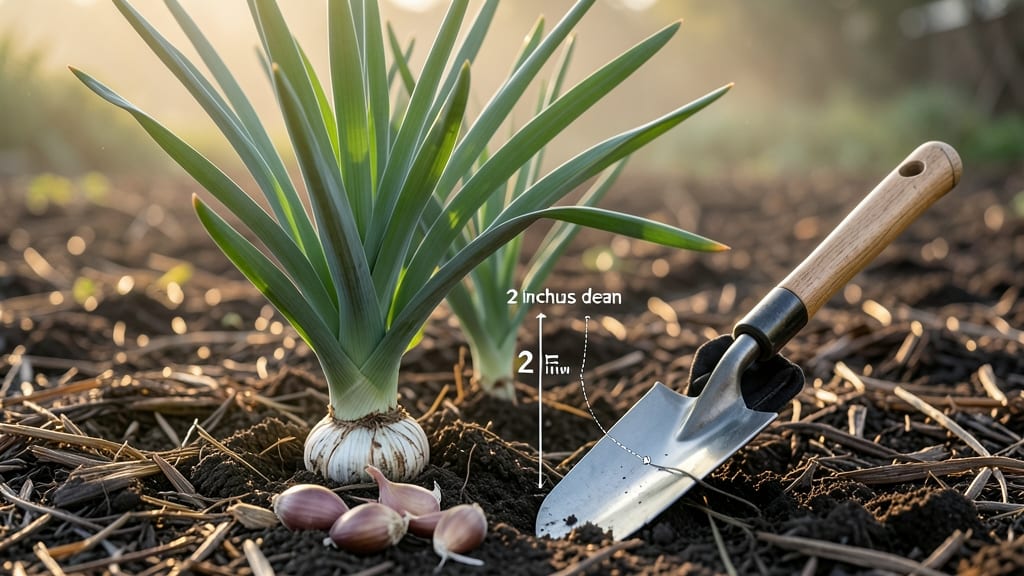
Planting garlic in New York at the right time isn't just about avoiding frost—it's about giving your 🧄 bulbs the perfect head start for a bountiful harvest the following summer.
The key lies in late September to early October, when soil temperatures dip but haven't frozen solid, allowing roots to establish before winter sets in.
New York's 5b-7a zones create unique challenges, from NYC's urban heat pockets to Upstate's colder microclimates. Unlike spring planting, which often results in smaller bulbs, fall-planted garlic develops stronger roots during winter's chill—a process that translates to bigger harvests by next June.
I've learned that timing isn't just about dates—it's about reading your soil. When nights consistently dip below 50°F but days stay above freezing, that's your window.
Miss it by too much, and you risk weak growth; wait too long, and frost locks the cloves in place before they can root properly.
What makes New York gardening special is how we adapt these principles to our local conditions. Whether you're in Brooklyn or Buffalo, understanding these seasonal cues will help you grow garlic that thrives despite our unpredictable winters. Let's break down exactly how to get it right.
Ideal fall planting window in New York for garlic success
New York’s fall garlic planting window is a sweet spot where science meets practical gardening. Planting 4-6 weeks before the first hard frost—typically mid-October to early November—gives garlic the perfect chill period to develop strong roots before winter dormancy.
This timing isn’t just about avoiding frost; it’s about leveraging cold temperatures to boost bulb formation next summer.
The key to success lies in soil temperature thresholds. Garlic cloves need soil between 40-50°F to establish roots before the ground freezes.
In most of New York, this means planting between late September and early October, when daytime temps hover around 60°F but nights dip closer to 40°F. Warmer soil speeds up sprouting, while colder soil slows it down—both extremes can stress young plants.
New York’s diverse climate means regional variations matter. Upstate areas like Albany or Buffalo experience colder winters with earlier frosts, while NYC and Long Island have slightly milder microclimates. For Upstate gardeners, aim for early October planting to ensure roots establish before the ground freezes by mid-November.
In NYC, you might push planting until early November, thanks to urban heat retention.
🌱
| Region | Ideal Planting Window | Soil Temp Threshold | First Hard Frost | Key Tip |
|---|---|---|---|---|
| Upstate NY (Albany, Buffalo) | Late September - Early October | 40-50°F | Mid-November | Use mulch to insulate soil |
| NYC Metro Area | Early October - Early November | 45-50°F | Late October | Urban heat delays frost—monitor soil temps |
| Long Island | Late September - Mid-October | 42-48°F | Early November | Coastal breezes keep soil cooler |
| Adirondacks/Catskills | Early September - Late September | 38-45°F | Mid-October | Plant hardneck varieties for cold tolerance |
Understanding your local frost dates is critical. The National Weather Service or Cornell Cooperative Extension provides regional frost forecasts, but a simple soil thermometer (buried 4 inches deep) gives real-time data.
For most of New York, aim to plant when daytime highs are 60°F or below—this signals the soil is cooling enough for garlic to thrive without sprouting too soon.
Garlic’s root development is the real secret to success. When planted in cool fall soil, garlic focuses energy on forming a strong root system rather than shooting up foliage. This root growth continues through winter, even under snow, and translates to larger bulbs in summer.
Think of it as a natural cold stratification process—just like some fruit trees need winter chill to fruit well.
If you’re in a warmer microclimate, like a south-facing urban garden, you might see garlic sprouting too early. In this case, delay planting until early November or use shade cloth to slow sprouting.
Conversely, in colder Upstate areas, late September planting ensures roots have time to establish before the ground freezes solid. Always prioritize root establishment over early growth—this is the foundation of a great harvest.
One common mistake is planting garlic too close to frost. If the ground freezes before roots establish, cloves can rot or fail to sprout. To test soil readiness, push a garlic clove into the ground—if it stays firm without bending, the soil is workable.
If it feels mushy, wait a few days. This simple trick saves time and frustration.
🌿
For hardneck varieties (like Music or German Red), which are better suited to New York’s climate, the fall window is even more critical. These varieties need 60-90 days of cold temperatures to form scapes and bulbs.
Plant them 2-3 weeks earlier than softneck varieties, which are more common in milder climates. The cold requirement is non
How to adjust planting time for New York’s microclimates
New York’s diverse regions—from the urban heat islands of NYC to the coastal moderation of Long Island and the colder Upstate zones—create unique challenges for garlic growers. The 4-6 week rule before hard frost works for most areas, but local microclimates demand flexibility.
For example, NYC’s pavement retains heat, delaying frost by 1-2 weeks compared to Upstate. Adjust your planting window by 10-14 days earlier in colder zones or 5-7 days later in warmer urban pockets.
To extend your planting window, use mulch (4-6 inches of straw or leaves) to insulate soil and row covers (lightweight fabric) to shield cloves from early frosts. These tools can push your last planting date by 2-3 weeks in marginal zones.
For instance, Upstate gardeners might plant until mid-November with protection, while Long Island’s milder winters allow planting until late November without adjustments.
Soil temperature is your best guide: aim for 40-50°F at planting depth (4 inches). In NYC, test soil in early October—if it’s still above 50°F, delay planting. Upstate, soil may hit 40°F by late September, so plant earlier. Use a soil thermometer to avoid guesswork. Coastal areas like Long Island often stay warmer longer, giving you a 2-week extension compared to inland regions.
| Region | Ideal Planting Window | Adjustments | Last Planting Date |
|---|---|---|---|
| NYC (Urban Heat Island) | Late October to early November | Delay by 5-7 days; use mulch | Mid-November |
| Long Island (Coastal) | Mid-October to late November | Extend by 2 weeks; minimal frost risk | Late November |
| Upstate (Cold Zones) | Late September to early October | Plant 2 weeks early; use row covers | Mid-November |
For late plantings, choose cold-hardy varieties like ‘German White’ or ‘Silverskin’, which tolerate brief exposure to 20°F without damage. If you miss the window entirely, try a spring planting (March) for a smaller harvest—just know bulbs won’t store as long.
Always plant individual cloves, pointed end up, 4 inches deep and 6 inches apart to prevent crowding, which worsens in colder soils.
Monitor your garden’s microclimate cues: watch for frost on nearby plants or check local weather alerts for first hard frost dates. In NYC, the East River’s warmth can delay frost by days, while Upstate’s valleys freeze faster.
Use frost cloths to protect newly planted cloves if a late frost threatens. Remember, garlic needs 60-80 days of cold (below 40°F) to form bulbs—so even late plantings can succeed if winter arrives on time.
Test your soil’s drainage before planting, especially in urban areas where compacted soil delays frost penetration. Amend heavy clay with compost to improve aeration. In coastal regions, sandy soil may dry out faster—water deeply after planting to encourage root establishment.
Whether you’re in Manhattan or the Catskills, the key is adapting your timing to your local frost patterns while giving garlic the cold it craves for sweet, robust bulbs.