
Plants
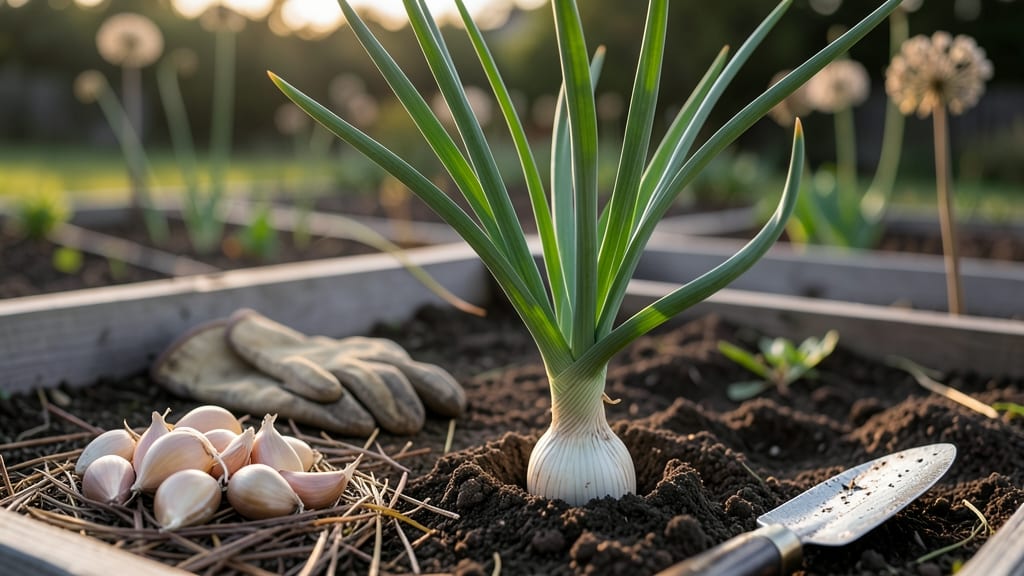
Timing your garlic planting just right in New York can mean the difference between a bumper crop of 🧄 and a disappointing harvest. Planting too early or too late throws off the entire growing cycle, especially when you're dealing with hardneck versus softneck varieties in zones 5-7.
The key? Getting those cloves in the ground 4-6 weeks before frost—typically between October and November.
New York's climate is tricky, with frost dates varying wildly from Buffalo to NYC. In colder zones like 5b, you might need to plant by early October, while Long Island's 7a zone gives you a little more wiggle room.
But here's the secret: whether you're a seasoned gardener or just starting out, mastering this timing ensures your garlic develops strong roots before winter sets in.
What you'll discover in this guide is exactly when to plant each type—hardneck for those big, flavorful bulbs or softneck for storage—and how to adjust for your specific corner of the state.
We'll also cover soil prep, mulching tips, and the critical mistakes that derail even the best-laid plans. Let's get those cloves in the ground the right way.
Ready to grow garlic that rivals the best from the market? The first step is knowing exactly when to plant—and where. Let's break it down so you can enjoy that fresh, homegrown garlic next summer.
Best planting windows for garlic in New York (by variety)
New York’s diverse climate zones (USDA 5b-7a) create unique challenges for garlic growers. Hardneck and softneck varieties thrive best in different windows, but both need precise timing to survive winter and produce bulbs.
I’ve grown garlic across Upstate New York and Long Island, and these schedules work—if you follow them closely.
For hardneck garlic, the ideal planting window is mid-October to early November in most of New York. This timing ensures cloves establish roots before the ground freezes, while still allowing enough cold exposure to trigger bulb formation.
In warmer zones like NYC (Zone 6a), you can push planting to late November, but avoid December entirely—it’s too risky.
Softneck varieties, like Artichoke garlic, are more forgiving but still need careful timing. Plant them 4-6 weeks earlier than hardnecks—so late September to mid-October—to give them a head start.
Softnecks tolerate slightly warmer soils, making them a better choice for southern Long Island (Zone 7a), where winters are milder.
Here’s the key difference: Hardnecks require vernalization (cold exposure) to form bulbs, while softnecks don’t. That’s why hardnecks must be planted earlier in colder zones like Buffalo (Zone 5b), where ground freezes by November 30.
Softnecks can wait until October 15 in the same area without sacrificing yield.
If you’re in Zone 5b (e.g., Buffalo, Albany), aim to plant hardnecks by October 15—any later and roots won’t establish before the ground freezes. I’ve seen poor germination when cloves are planted after November 1 in these areas.
For Zone 6a (NYC, Hudson Valley), you have a 2-week grace period—plant through November 15 at the latest.
Pro tip: Use a soil thermometer to check when temps drop below 40°F (4°C). That’s your planting deadline.
In Zone 7a (Long Island), you can sometimes squeeze in a December planting if soil temps stay above 35°F (2°C), but I don’t recommend it—risks are too high for inconsistent results.
For spring planting (a risky backup), softnecks can go in early March in warmer zones, but hardnecks will bolt prematurely and produce small, poor-quality bulbs. If you must try spring, stick to softnecks and harvest by July to avoid heat stress.
One mistake I see often? Gardeners in NYC (Zone 6a) planting hardnecks too late because they think they have more time. The heat island effect can delay frost, but it also speeds up soil warming in spring, leading to early bolting.
When in doubt, plant earlier—you can always cover beds with straw mulch to protect from late frosts.
Finally, order cloves early—many nurseries sell pre-order garlic starting in August. Hardnecks need to cure for 2-3 weeks before planting, so don’t wait until October to buy. I order mine by September 1 to ensure fresh stock for my mid-October planting dates.
How to adjust planting time based on New York’s microclimates
New York’s diverse geography means garlic planting times can vary by hundreds of miles. While NYC’s urban heat islands may push your schedule earlier, Upstate regions like Buffalo face colder snaps that demand adjustments. Understanding these microclimates helps you fine-tune your fall planting window for perfect bulbs.
Start by identifying your local USDA zone—NYC sits in Zone 6a-7a, while Buffalo is Zone 5b. This affects when to plant: Zone 5b gardeners should aim for early October, while Zone 7a areas can extend planting until mid-November.
Even within cities, elevation changes (like the Catskills) can shift your ideal window by 2-3 weeks.
- NYC/Long Island: Plant late October to mid-November—urban heat delays frost. Use black plastic mulch to extend the window.
- Upstate (Albany, Syracuse): Target mid-October to early November. Soils freeze faster; plant 4-6 weeks before first frost.
- Buffalo/Rochester: Plant early October—soil freezes by late November. Choose hardneck varieties for colder resilience.
- Adirondacks/Catskills: Plant September 20th–October 15th. Higher elevations mean earlier frost—prioritize well-draining soil.
- Lake Effect Zones: Near Finger Lakes or Champlain Valley, plant 1 week earlier—lake breezes cool soil faster.
Don’t overlook heat islands in cities. Pavement and buildings trap warmth, allowing you to plant 1-2 weeks later than rural areas. Test soil temperature with a thermometer—ideal planting soil should be 40–50°F. If it’s warmer, delay planting to avoid premature sprouting before winter dormancy.
For Upstate gardeners, prioritize hardneck varieties like ‘German Red’, which tolerate colder winters. In NYC, softneck types like ‘Silverskin’ thrive better due to milder winters. Adjust mulching: Upstate needs 6+ inches of straw to insulate, while NYC may only need 3 inches of leaves or straw.
Watch for lake-effect snow in winter. Regions near Lake Erie or Lake Ontario may experience sudden cold snaps. Plant 2 weeks earlier in these zones to ensure roots establish before deep freezes. Use row covers in early spring to protect emerging shoots from late frosts.
Fine-tune your schedule by tracking local frost dates for 3 years. Note when soil freezes and when spring green-up occurs. For example, Buffalo’s last frost averages April 15th, while NYC’s is April 1st. Adjust planting to ensure 8–10 weeks of growth before summer heat stress.