
Plants
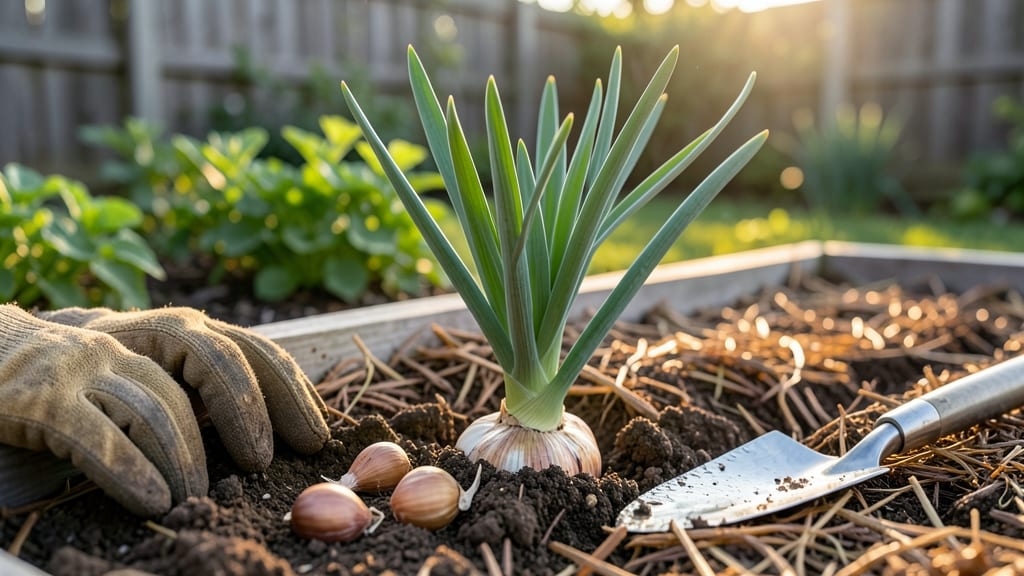
Planting garlic in Oregon isn't just about timing—it's about mastering the delicate balance between frost and warmth to grow hardneck varieties that thrive in zones 6b-9a.
The wrong window means bolting, weak bulbs, or even failure, but get it right, and you'll harvest plump, flavorful cloves that outshine grocery store options.
Unlike many crops, garlic needs cold to form bulbs, making fall planting in Oregon your best bet. While most regions aim for October to November, coastal areas like the Willamette Valley have slightly different rules than high-desert zones.
The key? Planting 4-6 weeks before the ground freezes—a sweet spot that varies wildly across the state.
I've learned the hard way that Oregon's microclimates demand flexibility. Too early, and your garlic might sprout before winter sets in; too late, and you risk stunted growth.
But with the right adjustments—like mulching or choosing the perfect hardneck variety—you can outsmart the weather and guarantee a bountiful harvest next summer.
Ready to grow garlic that rivals your favorite chef's? Let's dive into the exact planting windows, soil prep secrets, and variety picks that work for your corner of Oregon—because every region has its own rhythm.
Best planting months for Oregon garlic: hardneck varieties by region
Oregon’s diverse climate means hardneck garlic planting windows vary dramatically between regions. In the Willamette Valley, mild winters and moist soil create ideal conditions, while Eastern Oregon demands earlier planting to avoid harsh freezes.
Coastal areas benefit from extended growing seasons but require careful frost monitoring. Understanding these regional differences ensures your garlic gets the 4-6 weeks of cold it needs to form bulbs properly.
The key to success is planting 4-6 weeks before the ground freezes, typically between mid-October and November. However, this window shifts based on elevation and microclimates.
For example, high-desert areas like Bend may need garlic in the ground by mid-September, while coastal Portland can wait until late October. Always check your local USDA zone (6b-9a) and average first frost dates.
Hardneck garlic requires vernalization—a period of cold to trigger bulb formation. In Oregon, this means planting when soil temperatures drop below 50°F (10°C) but before hard freezes set in.
The Willamette Valley (Zone 8a-9a) often allows planting through November 15, while Eastern Oregon (Zone 6b-7b) may need to finish by October 15 to avoid winter kill.
| Region | Ideal Planting Window | Soil Temp Goal | Key Consideration |
|---|---|---|---|
| Willamette Valley (Zone 8a-9a) | October 15 – November 15 | 40–50°F (4–10°C) | Moist soil; watch for late frosts |
| Eastern Oregon (Zone 6b-7b) | September 15 – October 15 | 35–45°F (2–7°C) | Early freezes; use mulch |
| Coastal Oregon (Zone 8b-9a) | October 30 – November 30 | 45–55°F (7–13°C) | Milder winters; extended growing season |
| High Desert (Zone 6b-7a) | September 1 – October 1 | 30–40°F (-1–4°C) | Dry soil; needs irrigation |
For Willamette Valley gardeners, aim to plant by November 1 to ensure garlic gets enough cold before winter. The region’s mild winters and high humidity can delay frost, but sudden cold snaps are possible.
Use a row cover if temperatures drop unexpectedly. Soil should be workable but cool—stick your finger in; if it’s easy to push but not mushy, it’s ready.
In Eastern Oregon, where winters are harsher, prioritize planting by October 15. The high desert and mountain foothills (like near Bend) often see earlier freezes, so don’t wait. Amend sandy soils with compost to retain moisture, and mulch heavily with straw or leaves to protect cloves from freezing.
Eastern Oregon’s dry climate also means garlic may need supplemental water during winter dormancy.
Coastal Oregon offers the most flexibility due to its milder winters. You can plant as late as November 30 in areas like Astoria or Newport, but monitor frost forecasts closely. Coastal garlic benefits from rich, loamy soil and consistent moisture, so avoid planting in sandy or waterlogged areas. The extended growing season here often results in larger bulbs if planted early enough.
If you miss the ideal window, don’t panic—garlic is flexible! In Zone 8a-9a, you can plant as late as December 15, though bulbs may be smaller. For Zone 6b-7b, late planting risks frost damage, but container growing in a sheltered spot can extend your window.
Always plant individual cloves (not whole bulbs) with the pointy end up, 2 inches deep and 4–6 inches apart.
Pro tip: Use a garlic planting calendar like Oregon State University’s Extension Service tools to track your local frost dates. They provide hyper-localized advice based on your ZIP code.
For example, Corvallis (Zone 8b) might have a 3-week later window than La Grande (Zone 6b). Adjusting for these nuances maximizes your harvest potential.
Remember, hardneck garlic needs 60–90 days of cold below 40°F (4°C) to form bulbs. In Oregon, this typically happens between December and February, depending on your region. If you’re unsure about your local climate, err
How to adjust planting for Oregon’s microclimates and unpredictable weather
Oregon’s microclimates can turn a perfect garlic-growing season into a gamble—one week of unseasonable warmth or early frost can throw off your entire harvest. Unlike finicky annuals, garlic is surprisingly flexible, but only if you adapt.
The key is understanding how to shift planting dates and protect young plants when the weather plays tricks.
For example, coastal Oregon might see mild winters with delayed frosts, while the Willamette Valley can experience sudden freeze events in November. Even high-desert regions like Bend have their own rhythm, with colder nights and warmer days that demand different strategies.
My approach? I treat garlic like a weather-resistant athlete—train it right, and it’ll perform even when conditions aren’t ideal.
⚠️ Warning: Oregon’s Weather Can Ruin Your Garlic—Here’s How to Fight Back
Planting garlic too early in Oregon’s wet springs risks rot, while planting too late can lead to small bulbs or bolting. The 4-6 week rule (planting 4-6 weeks before the first hard frost) is a great start, but Oregon’s microclimates often require adjustments:
- Coastal areas: Wait until November—soil stays warmer longer, delaying frost.
- Willamette Valley: Plant by mid-October to avoid early November freezes.
- High desert: Push planting to late September—colder nights mean faster bulb formation.
Pro tip: Use a soil thermometer—garlic cloves need 40–50°F soil temps to sprout. If temps hover above 50°F for weeks, your garlic may bolt prematurely.
When unpredictable weather throws off your planting timeline, focus on soil preparation first. I always amend clay-heavy Oregon soils with compost and coarse sand to improve drainage—wet springs can turn garlic beds into soggy death traps.
Aim for well-draining, slightly acidic soil (pH 6.0–7.0), and mix in a low-nitrogen fertilizer (5-10-10) at planting to encourage root growth without promoting leafy tops.
For backup planting dates, I keep a small batch of cloves in the fridge until mid-November—just in case early rains or frost delay my primary planting. If you miss the ideal window, don’t panic: garlic can handle light frosts once established.
Just mulch heavily with straw or leaves (4–6 inches) to insulate roots and prevent heaving during freeze-thaw cycles.
Another trick? Plant in raised beds if your garden sits in a low-lying or frost-prone area. Raised beds warm up faster in spring and drain better in winter.
I’ve even seen gardeners in Portland’s urban heat islands plant garlic as late as December with success—just add extra mulch to protect against winter temperature swings.
Finally, monitor your garlic’s progress closely. If shoots emerge too early in warm weather, shade them with frost cloth to slow growth until temps drop. Conversely, if growth stalls in cold snaps, a thin layer of mulch can keep roots just warm enough to stay active.
With these adjustments, you’ll turn Oregon’s unpredictable weather into an advantage—not a roadblock.