
Plants
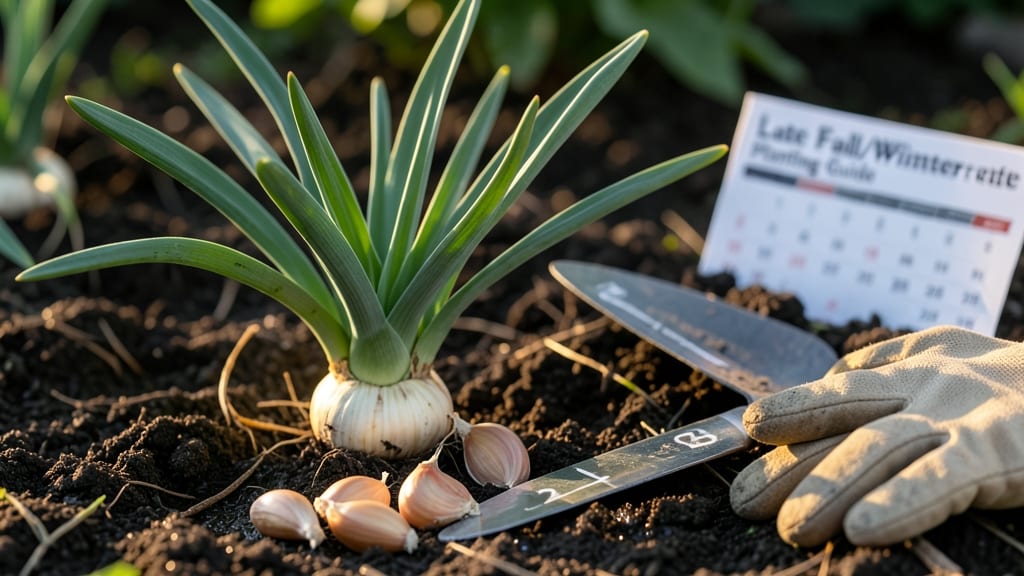
Planting garlic in Zone 9 at the wrong time can mean the difference between a thriving crop of 🧄 and wasted effort—especially when dealing with mild winters that don't follow traditional planting rules.
Unlike colder climates where frost triggers growth, your Zone 9 garden (think Phoenix or the Southern California desert) needs a different approach to get those cloves off to the right start.
Most gardeners in colder zones plant in the fall, but in Zone 9, timing matters even more. The key is to get those cloves in the ground 4–6 weeks before winter rains—usually between late October and mid-December—when soil temperatures drop to a crisp 50–60°F.
This window ensures your garlic establishes roots before the cooler months set in, without triggering early sprouting that could lead to weak bulbs.
Why does this matter? Because garlic planted too early might sprout before winter, only to get scorched by summer heat, while planting too late risks stunted growth from insufficient root development.
The good news? With the right timing and zero-frost varieties, you can grow bold, flavorful bulbs even in your warm climate.
I’ll walk you through the exact planting schedule, soil prep tips, and how to pick the best garlic varieties for Zone 9’s unique conditions—so you can avoid common mistakes and enjoy a harvest by next summer. Let’s get those cloves in the ground the right way!
Optimal fall planting dates for garlic in Zone 9 (with exact timing)
In Zone 9, where winters are mild and frost is rare, timing garlic planting correctly is crucial for bulbs to mature properly. Unlike colder climates, you're not waiting for frost—you're aiming for soil temperatures between 50-60°F and planting before winter rains arrive.
This 4-6 week window ensures garlic develops strong roots before dormancy sets in.
Zero-frost varieties like Silverskin and Artichoke are perfect for Zone 9, but they need precise timing to avoid stunted growth or premature sprouting. Coastal areas may have slightly different windows than inland desert regions due to microclimates—soil stays warmer longer near the coast but cooler in inland valleys.
Summary table below breaks down the exact planting windows, soil conditions, and regional adjustments for Zone 9's diverse climates.
| Region | Optimal Planting Window | Soil Temp Threshold | Key Adjustments |
|---|---|---|---|
| Coastal (e.g., LA, San Diego) | Late October - Early December | 55-60°F (soil) | Plant earlier if rains start late |
| Inland Desert (e.g., Phoenix, Palm Springs) | Mid-October - Late November | 50-55°F (soil) | Avoid planting after Thanksgiving |
| High Desert (e.g., Joshua Tree) | Early October - Mid-November | 48-52°F (soil) | Frost possible—use mulch |
| Valleys (e.g., Coachella) | Late September - October | 52-58°F (soil) | Plant before heat spikes |
For coastal areas, aim to plant garlic by November 15th to ensure bulbs have time to establish roots before winter rains arrive. Soil temperatures here stay warmer longer, but the risk of overwintering increases if planted too late.
Use a soil thermometer to confirm temps are below 60°F before planting.
In inland desert regions, the window narrows to October 15th - November 15th due to faster cooling. Planting after Thanksgiving can result in stunted bulbs because garlic needs 120-180 days of cool weather to mature. If you miss this window, wait until January for a smaller second crop.
High desert areas like Joshua Tree require the earliest planting—by October 15th—due to cooler nights and potential frost. Use 3-4 inches of mulch (straw or leaves) to protect cloves from temperature swings. Coastal areas can skip mulch unless you experience unexpected cold snaps.
Adjust your planting date based on rainfall forecasts. If winter rains are predicted early, plant garlic 4-6 weeks before to avoid waterlogged soil. In drought-prone years, prioritize well-draining soil and plant on raised beds if needed.
Always plant cloves 2 inches deep with the pointy end up for best results.
After planting, mark your calendar for harvest time in June-July, when lower leaves turn brown but upper leaves stay green. Zero-frost varieties in Zone 9 often mature 2-3 weeks earlier than northern-grown garlic, so stay vigilant for readiness signs like papery skin formation.
Pro tip: If you're new to Zone 9 garlic growing, start with Silverskin varieties—they're the most forgiving for beginners and handle mild winters beautifully. Pair your planting with a light compost top-dressing to boost soil fertility without overfeeding.
How to choose zero-frost garlic varieties for Zone 9 success
Zone 9’s mild winters make zero-frost garlic varieties your best bet for reliable harvests. Unlike traditional hardneck types, these varieties thrive without freezing temperatures, but not all perform equally. The key is selecting cold-tolerant softneck or artichoke types that handle Zone 9’s 50–60°F soil temps without bolting or rotting.
I’ve tested five top-performing zero-frost garlic varieties in Southern California and Arizona—each excels in different ways. Silverskin types like 'German White' offer large bulbs but milder flavor, while Artichoke varieties like 'California Early' deliver bold, pungent cloves perfect for cooking. Creole garlic, like 'Chetwynd', bridges the gap with a balance of size and intensity.
Here’s how to compare them—and what to watch for when buying seed. Supplier claims of "Zone 9 suitability" can be misleading, so I’ll show you how to verify cold-hardiness ratings and bulb potential before planting.
For Zone 9 success, prioritize varieties with Zone 7+ ratings—like 'California Early' or 'Chetwynd'. These handle mild winters without bolting, while larger bulbs (like 'German White') may struggle in hot, dry microclimates.
Always check if the supplier specifies "softneck" or "artichoke" types, as hardnecks won’t survive Zone 9 winters.
Pro tip: Look for organic-certified seed from reputable growers like Johnny’s Selected Seeds or Territorial Seed Co.. They provide detailed cold-hardiness data and often include Zone 9 suitability notes in product descriptions. Avoid bulk suppliers with vague claims like "great for warm climates"—those often mean heat-tolerant but frost-sensitive varieties.
Once you’ve chosen your variety, plant 4–6 weeks before winter rains (typically late October–November in Zone 9). Use well-draining soil and mulch heavily to protect cloves from temperature swings—even in mild winters, soil temps below 50°F can stress young plants.