
Companion Plants
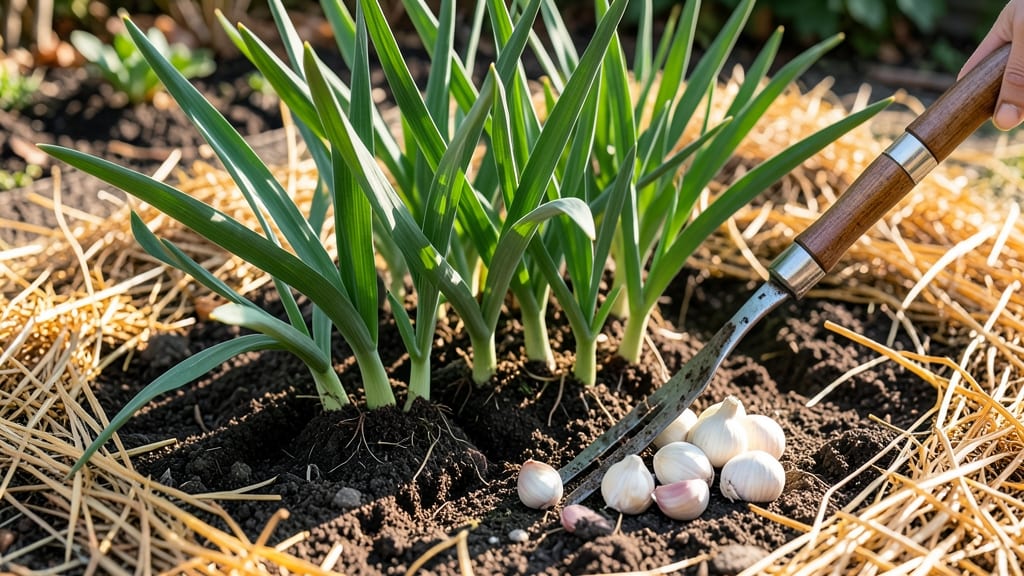
Planting garlic in Zone 7 at the wrong time could mean the difference between plump, flavorful bulbs and disappointing harvests. The key to growing 🧄 successfully lies in timing—specifically, that narrow window between October and November when the soil cools but hasn’t frozen yet.
Why does this matter? Because garlic needs 6-8 weeks of cold weather to develop strong roots before winter sets in. Too early, and your cloves might sprout prematurely; too late, and they won’t establish before the ground freezes.
I’ve learned the hard way that getting this right is the foundation for a bountiful harvest.
In this guide, I’ll break down the exact fall planting window for Zone 7, including how to adjust for early or late frosts. You’ll also discover how hardneck vs. softneck varieties respond differently to timing—and why soil temperature is just as critical as the calendar.
Whether you’re a first-time gardener or a seasoned grower, these insights will help you avoid common mistakes. Let’s get your garlic off to the best possible start!
Optimal fall planting dates for Zone 7 garlic (with climate adjustments)
In Zone 7, the ideal garlic planting window spans from mid-October to early November, giving cloves time to establish roots before winter. This 6-8 week window before your first hard frost is crucial—it’s when garlic needs cold exposure to form strong bulbs.
For most of Zone 7, this means planting between October 15 and November 1, but your exact date depends on local frost patterns.
Why this timing? Garlic requires vernalization—a period of cold—to trigger bulb formation. Plant too early (e.g., September), and your cloves may sprout prematurely, wasting energy. Plant too late (e.g., December), and roots won’t develop before the ground freezes.
The goal is to balance root establishment with winter dormancy—neither too early nor too late.
Here’s the golden rule: Aim to plant garlic 4-6 weeks before the ground freezes. Use the USDA Plant Hardiness Zone Frost Calculator (linked below) to pinpoint your local first frost date, then count backward.
For example, if your frost date is November 15, plant between October 1 and October 15. Adjust for early or late winters by monitoring soil temperatures—ideal planting soil should be 40–50°F.
🌱
| Variety Type | Optimal Planting Window (Zone 7) | Soil Temp for Planting | Cold Requirement | Adjustment for Early/Late Frost |
|---|---|---|---|---|
| Hardneck (e.g., Rocambole, German Red) | October 15–November 1 | 40–50°F | 60–90 days below 40°F | Plant 1–2 weeks earlier for late frost |
| Softneck (e.g., Silverskin, Artichoke) | October 20–November 10 | 45–55°F | 30–60 days below 40°F | Plant 1 week later for early frost |
| Both Types (General Rule) | 4–6 weeks before first hard frost | 40–50°F (ideal) | Minimum 6 weeks cold | Use soil thermometer to verify |
Hardneck varieties like Rocambole or German Red need more cold exposure than softnecks like Silverskin. If your Zone 7 winter is mild (e.g., fewer than 60 days below 40°F), opt for softnecks or plant hardnecks 2 weeks earlier to ensure sufficient chilling.
Conversely, in areas with early frosts (e.g., first frost by November 1), delay planting until late October or even early November.
Pro tip: Check your local frost date averages using the Old Farmer’s Almanac Frost Calculator. For example, in Northern Zone 7 (e.g., Cincinnati), plant by October 20, while in Southern Zone 7 (e.g., Atlanta), you might extend planting until November 5.
Always verify with a soil thermometer—planting when soil temps hit 40–50°F guarantees success.
For those in transitional microclimates (e.g., near large bodies of water or urban heat islands), err on the side of later planting. These areas often experience delayed frosts, and planting too early can lead to premature sprouting or even bolting (flowering) before winter.
If you’re unsure, conduct a soil temperature test for 3–5 days—consistent temps below 50°F signal it’s time to plant.
Remember, garlic planted in fall will produce larger bulbs than spring-planted garlic, thanks to that critical cold period. If you miss the fall window, you can still plant in early spring (February–March), but bulbs will be smaller and less flavorful.
For the best results, stick to the fall timeline and adjust based on your local climate quirks.
🌿
5 Signs your Zone 7 garlic planting timing is perfect (or terrible)
Planting garlic at the right time in Zone 7 isn’t just about checking a calendar—it’s about reading your garden’s signals. The perfect timing ensures your cloves develop strong roots before winter, while terrible timing leads to weak growth or bolting.
I’ve learned that soil temperature, moon phases, and even the cloves’ readiness play crucial roles in determining success.
For Zone 7, the ideal window is when soil temperatures hover between 40°F and 50°F at a depth of 4 inches. This usually falls in late October to early November, but your exact timing depends on local frost dates and variety.
Hardneck garlic, which thrives in colder climates, needs that 6-8 week cold period to form bulbs, while softnecks are slightly more flexible.
🌱 Numbered Highlights: Signs Your Garlic Planting Timing Is Perfect (Or Terrible)
-
1. Soil Temperature: 40°F–50°F
Use a soil thermometer to confirm. If it’s above 50°F, wait—your cloves may sprout too soon and struggle in winter. -
2. Moon Phase: Waning Gibbous
Plant during the waning gibbous moon (7 days before full moon) for stronger root development. Avoid the waxing moon, which promotes top growth over roots. -
3. Clove Firmness: No Sprouting Yet
Perfect: Cloves feel firm with no visible sprouts.
Terrible: Cloves already have 1-inch sprouts—planting now risks weak roots. -
4. Frost Forecast: 6–8 Weeks Away
Check your first hard frost date (usually mid-November in Zone 7). Plant 6 weeks before to ensure roots establish before freezing. -
5. Soil Readiness: Loose and Drainage-Ready
Perfect: Soil is loose, crumbly, and drains well after rain.
Terrible: Soil is hard or waterlogged—amend with compost before planting.
One of the biggest red flags I’ve seen in Zone 7 gardens is premature sprouting before planting. If your cloves start growing indoors or in warm soil, they’ll bolt or produce weak bulbs.
To prevent this, store your garlic in a cool, dark place (like a paper bag in the fridge) until planting day. This keeps them dormant until conditions are ideal.
Another critical sign of poor timing is weak root development after planting. If your garlic struggles to establish roots before winter, it won’t have the energy to produce large bulbs in summer.
To test soil readiness, dig a small hole and check if the soil feels cool but workable—not frozen or soggy. If it’s too cold, wait a few days or weeks.
Finally, pay attention to the moon’s influence—it’s not just an old wives’ tale. Planting during the waning gibbous moon (7 days before the full moon) encourages root growth, while the waxing moon promotes top growth.
For Zone 7, this often aligns with late October, making it a sweet spot for timing. Use a moon phase calendar to plan ahead!
Mastering these signs will give you confidence in your planting schedule and set your garlic up for a bountiful harvest next summer. The difference between perfect timing and terrible timing can mean the difference between plump, flavorful bulbs and disappointment—so take the time to get it right! 🌱