
Plants
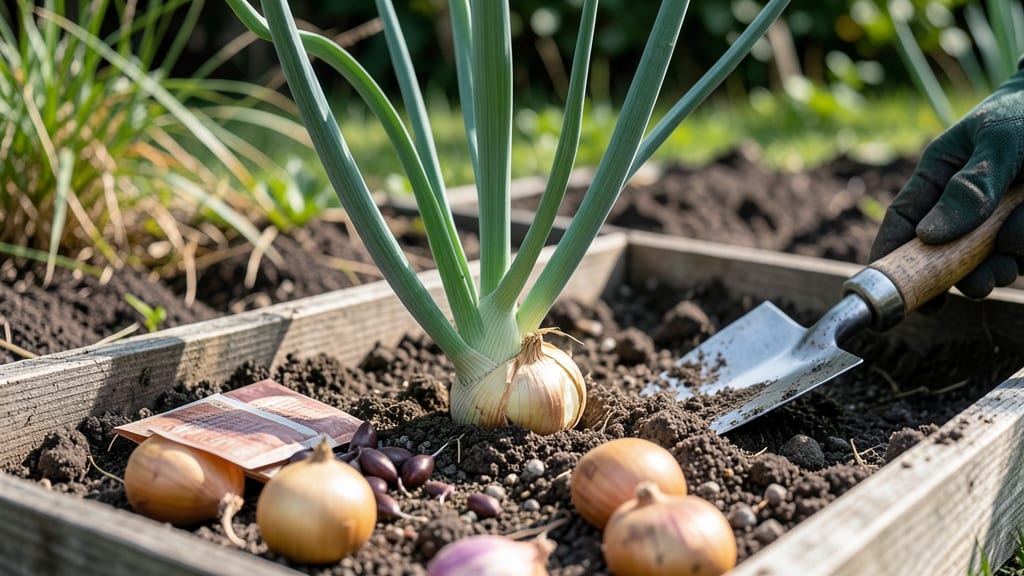
Planting onions in Michigan at the wrong time can mean the difference between a bountiful harvest of sweet 🧅 or a sad, withered disappointment. Whether you're a seasoned gardener or just starting, getting the timing right is the key to avoiding frost damage and ensuring strong, healthy growth.
With Michigan's 5b-6b zones and unpredictable frost dates, knowing when to plant is everything. Spring is your best bet for a summer harvest, but fall planting can give you a late-season crop.
The secret lies in planting 4-6 weeks before your last frost date—typically between late March and mid-April for most of the state.
I’ve learned that adjusting for your specific zone makes all the difference. Some years, a late frost sneaks in, so having a backup plan—like using row covers or choosing cold-hardy varieties—can save your crop.
Let’s break down the exact timing and tips to make sure your onions thrive, no matter what Michigan throws at you.
From soil prep to harvest, I’ll walk you through everything you need to know to get a head start on the season. Whether you’re planting sets or seeds, these strategies will help you avoid common mistakes and grow onions that are stronger, sweeter, and more abundant than ever before.
Michigan onion planting timeline by hardiness Zone (USDA 4-6)
Michigan’s USDA zones 4-6 create unique challenges for onion growers, where late spring frosts can delay planting while short growing seasons demand precise timing.
Whether you’re growing short-day varieties (like ‘Texas Early White’) or long-day onions (like ‘Sweet Spanish’), knowing your zone’s last frost dates and bulb maturity windows is critical for a successful harvest.
Onions thrive in cool soil but struggle with extreme heat or frost. In Michigan, the ideal window for planting onion sets or seedlings opens 4-6 weeks before your average last frost date, while fall planting should happen 6-8 weeks before the first frost.
Let’s break down the exact timing for each zone to ensure your onions have enough time to mature before winter sets in.
Pro Tip: Use row covers or cold frames in early spring to extend your growing season and protect young plants from unexpected frosts. This can give you a 2-3 week head start in colder zones like 4a and 4b.
In Zone 4a, where frosts linger later, focus on cold-hardy varieties like ‘Candy’ or ‘Red Baron’ and use row covers to protect seedlings. These zones have the shortest growing season, so prioritize early-maturing varieties (90-100 days) to avoid bolting or poor bulb development.
For Zones 5b and 6a, you have more flexibility with longer daylight hours, making them ideal for long-day onions like ‘Sweet Spanish’ or ‘Yellow Granex’. These varieties need 14-16 hours of daylight to form bulbs, which Michigan’s northern zones provide by late spring.
Plant these 2-3 weeks earlier than short-day varieties for optimal results.
If you’re growing green onions or scallions, you can plant them 2-3 weeks after your last frost date and harvest 4-6 weeks later without needing full bulb development. This gives you a second harvest opportunity in late summer if your main crop matures early.
Always check your local Michigan State University Extension frost date maps for year-to-year variations, as Lake Michigan can create microclimates with earlier springs in some areas. For example, southern Michigan (Zone 6a) often sees <
How to adjust onion planting for Michigan’s unpredictable weather
Michigan’s late spring frosts and cool soil temperatures can throw off even the most experienced gardener. Onions planted too early may bolt or rot, while late plantings often fail to mature before summer heat. The key is flexibility—adapting your approach based on microclimates and weather forecasts.
Start by choosing cold-hardy onion varieties like ‘Red Baron’ or ‘Copra’, which tolerate light frosts better than others. These varieties can handle 32°F temperatures for short periods, giving you a buffer if frost lingers.
For southern Michigan (USDA Zone 6), you might push planting to mid-April, while northern areas (Zone 4) should wait until late April.
⚠️ callout warning ⚠️
Use local frost date averages as guidelines, not rules. Check the National Weather Service or Michigan State University Extension for weekly updates. If frost is forecasted 3-5 days after planting, delay by 2-3 weeks—onions are tough, but soil temps below 40°F slow germination.
Pro Tip: Plant test rows 2 weeks apart to hedge your bets. This way, at least one batch will thrive even if timing is off.
For extra protection, use floating row covers or low tunnels to raise soil temperatures by 5-10°F. These covers also shield young plants from late frosts and windburn.
Remove them once plants reach 6 inches tall to prevent overheating. In southern Michigan, you can even start onions indoors in March and transplant after the last frost.
Soil temperature is just as critical as air temperature. Onions won’t sprout until soil reaches 40°F, but ideal germination occurs at 50-60°F. Use a soil thermometer to monitor conditions.
If soil stays cold, consider black plastic mulch to warm it faster. In northern Michigan, this might mean waiting until early May for reliable germination.
Don’t forget about fall planting for green onions or shallots, which can handle cooler temps. Sow seeds in late August for a harvest before winter. These varieties mature faster and tolerate light frosts, making them perfect for insurance crops.
Just avoid planting too late—onions need 60-80 days to mature before frost.
Finally, keep an eye on microclimates in your garden. South-facing beds warm up faster, while low-lying areas stay colder longer. Plant heat-tolerant varieties like ‘Yellow Sweet Spanish’ in hotter spots and cold-hardy types in cooler zones.
With these adjustments, you’ll maximize your chances of a bountiful onion harvest—no matter what Michigan throws your way. 🌱