
Plants
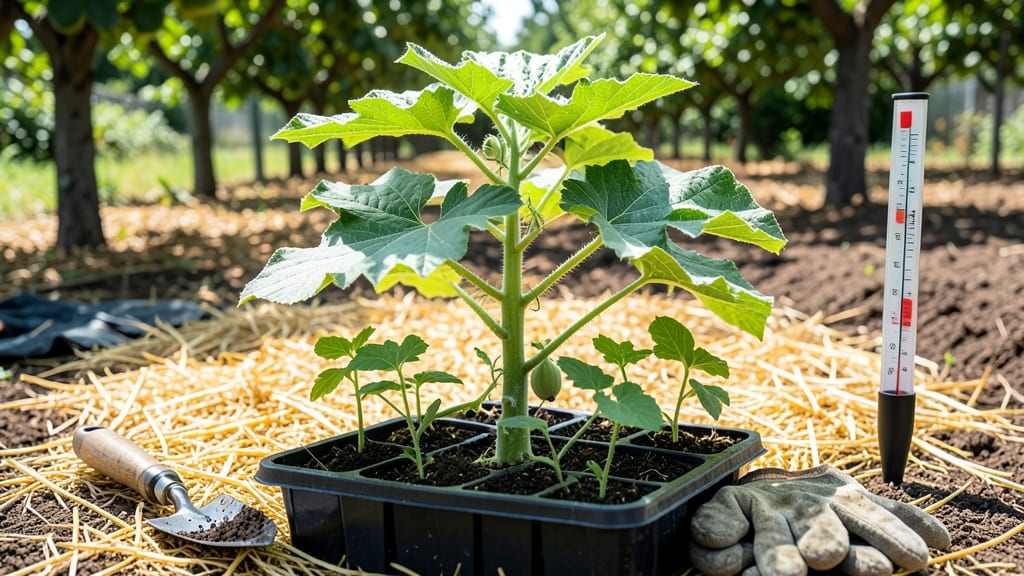
Planting cantaloupe in Michigan’s 5b-6b climate isn’t just about timing—it’s about catching that narrow window between frost and summer’s heat. Get it wrong, and you might end up with bitter melons or no harvest at all.
The key is waiting until soil temperatures hit 70°F and the last frost has truly passed, usually between mid-April and mid-June depending on your region.
I’ve learned the hard way that rushing cantaloupe 🍈 into cold soil can stall growth, leaving vines struggling while summer slips away. Michigan’s unpredictable weather means even experienced gardeners double-check frost dates each year.
But with the right preparation—like using black plastic mulch to warm the soil faster—you can extend that planting window just enough for a sweet harvest.
Whether you’re starting seeds indoors 4-6 weeks before the last frost or sowing directly into warmed beds, the goal is the same: give those vines plenty of time to spread and fruit before fall’s chill sets in.
Let me walk you through the exact steps to time your planting for juicy, ripe cantaloupes that Michigan’s short growing season can actually deliver.
From choosing the right varieties to spacing plants for maximum airflow, I’ll cover everything you need to know to avoid common pitfalls. By the end, you’ll have a clear plan to turn your garden into a cantaloupe oasis—no guesswork required.
Michigan’s frost-free dates for planting cantaloupe: a region-by-region guide
Michigan’s unpredictable spring weather makes timing your cantaloupe planting tricky—but knowing your region’s frost-free dates and soil temperature thresholds can mean the difference between a bountiful harvest and wasted effort. Cantaloupes thrive when soil reaches at least 70°F, and planting too early risks frost damage or stunted growth.
Let’s break down the optimal planting windows for Michigan’s three key regions, using 2024 frost date averages and soil conditions.
In Southern Michigan (including Detroit, Lansing, and Ann Arbor), gardeners can start planting cantaloupe outdoors as early as mid-May, once nighttime temperatures consistently stay above 50°F. This region typically sees its last spring frost between April 15–May 1, but cantaloupes need warmer soil to germinate successfully.
For Northern Lower Peninsula areas like Traverse City or Grand Rapids, wait until late May to early June—these zones often experience frost until May 10–20, and cooler soils delay planting.
The Upper Peninsula (Marquette, Iron Mountain, and Houghton) presents the biggest challenge, with last frost dates often lingering into mid-June. Here, gardeners should plan for late June plantings or use season extenders like black plastic mulch.
Even then, soil temperatures may not reliably hit 70°F until early July, making cantaloupes a high-risk crop in this region unless you’re prepared to start seeds indoors.
| Region | Avg. Last Frost Date | Optimal Planting Window | Soil Temp. Requirement | Notes |
|---|---|---|---|---|
| Southern Michigan | April 15–May 1 | Mid-May to early June | 70°F+ | Best for early varieties; use row covers if nights dip below 50°F. |
| Northern Lower Peninsula | May 10–20 | Late May to early June | 70°F+ | Plant after soil warms; black plastic mulch helps. |
| Upper Peninsula | May 20–June 15 | Late June to early July | 70°F+ | Start seeds indoors 4–6 weeks before last frost; consider greenhouses. |
For all regions, soil temperature is more critical than air temperature. Use a soil thermometer to confirm readings of 70°F or higher before planting. Cantaloupe seeds won’t germinate in cooler soils, and even if they do, slow growth invites pests and diseases.
In Southern Michigan, where summers are longer, you can even squeeze in a second planting in early July for a fall harvest—just be ready to harvest before frost, typically by mid-October.
If you’re in a cooler microclimate (like near lakes or shaded areas), err on the side of planting later. Cantaloupes are warm-season crops that bolt—or go to seed—if stressed by cold.
For Northern Lower Peninsula gardeners, black plastic mulch can raise soil temperatures by 5–10°F, creating a warmer microclimate for your vines. This trick is especially useful if your last frost date is late or unpredictable.
Pro tip: Pair your cantaloupe patch with companion plants like bush beans or radishes to improve soil health and deter pests. Avoid planting near cucumbers, as they compete for the same nutrients and space.
In Southern Michigan, where growing seasons are longest, you might even experiment with trellising cantaloupes to save space—though most varieties sprawl, so plan for 3–6 feet of vine spread.
Remember, Michigan’s weather is famously variable. Even if your neighbors plant in early May, a late frost could wipe out tender seedlings. Play it safe by monitoring local forecasts and having row covers on hand.
With the right timing and a little preparation, you’ll be enjoying homegrown cantaloupes from your garden by mid-summer—just in time for picnics and fresh snacks!
🍈 For extra insurance, bookmark your local USDA Plant Hardiness Zone map (Michigan spans Zones 4b–6a) and check microclimate factors like elevation or proximity to large bodies of water. These can shift your frost-free date by 1–2 weeks, so always adjust your planting window accordingly
How to extend your cantaloupe growing season in Michigan’s short summers
Michigan’s cool nights and early frosts can cut cantaloupe seasons short, but with the right strategies, you can stretch your harvest by 3-4 weeks.
I’ve found that combining black plastic mulch, row covers, and succession planting creates the ideal microclimate for cantaloupes to thrive—even when summer feels fleeting. The key is warmth: cantaloupes need soil temperatures above 70°F to germinate and grow properly.
One of my biggest lessons came after a late-May frost wiped out my cantaloupe seedlings. That year, I invested in floating row covers and planted a second batch in early June. By using these covers, I protected the plants from chilly nights while still allowing sunlight to reach the vines.
The result? A harvest that lasted well into early September instead of tapering off in August.
Here’s how I extend my cantaloupe season in Michigan—step by step:
- Use black plastic mulch to warm soil 5-10°F faster than bare ground. Lay it down 2-3 weeks before planting to raise soil temps to 70°F+.
- Plant early-maturing varieties like ‘Athena’ (70 days) or ‘Hale’s Best’ (80 days) to fit Michigan’s 165-day frost-free window.
- Set up floating row covers at night to shield plants from temperatures below 50°F, removing them during the day for pollination.
- Try succession planting: Sow seeds every 2 weeks from late May through early July for staggered harvests.
- Choose south-facing beds with 6+ hours of sunlight and well-draining soil to maximize warmth and growth.
Black plastic mulch is my secret weapon—it doesn’t just warm the soil; it also suppresses weeds and retains moisture, reducing the need for frequent watering. I’ve seen soil temperatures under mulch reach 90°F+ on sunny days, which is perfect for cantaloupe vines.
Just remember to remove the mulch once fruits start forming to prevent rot from excess moisture.
For extra protection, I use lightweight row covers made of spunbonded fabric. These allow pollinators like bees to access the flowers during the day while shielding the plants from late-season frosts.
Pro tip: Secure the covers with bricks or stakes so they don’t blow away in Michigan’s unpredictable winds. I’ve even extended my harvest into October with this method!
Don’t overlook companion planting either. Pairing cantaloupes with bush beans or marigolds can improve soil health and deter pests like cucumber beetles. I plant marigolds around the edges of my cantaloupe beds—their strong scent confuses pests and keeps them away from my vines.
Plus, the beans fix nitrogen in the soil, giving your cantaloupes a nutrient boost.
Finally, keep an eye on the weather forecast and be ready to act. If a cold snap is predicted, cover your plants immediately. With these strategies, you’ll turn Michigan’s short summers into a cantaloupe lover’s paradise—one sweet, ripe melon at a time. 🍈