
Plants
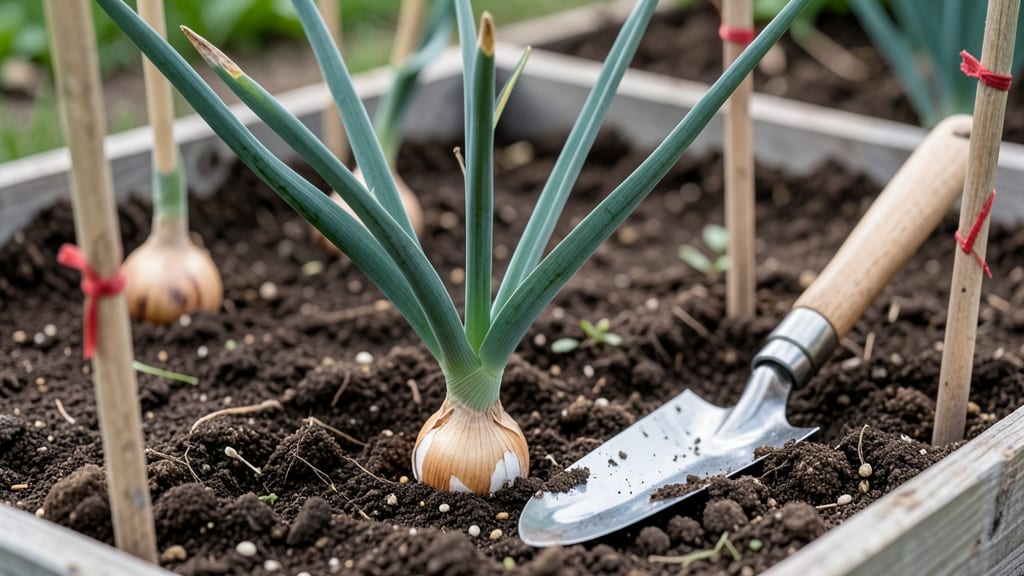
Planting onions in North Carolina at the wrong time can mean the difference between a bumper crop of sweet, crisp 🧅 bulbs and a disappointing harvest. The key lies in understanding your state's unique climate—where spring planting races against rising temperatures while fall options let you beat the heat.
With the right timing, you'll avoid bolting (the dreaded early flowering) and maximize flavor in your homegrown onions.
Most North Carolina gardeners know the late February to early March window is ideal for spring planting, but did you know fall planting in August-September can yield onions ready by winter? The secret? Choosing the right varieties—short-day onions thrive in NC's 7a-8b zones, while long-day types struggle.
I'll show you exactly which varieties work best and how to time your planting for perfect harvests in June or December.
What makes this even more exciting is how simple it is to extend your growing season. A little mulch or shade cloth can protect your onions from NC's intense summer heat, while proper soil prep ensures strong starts.
Whether you're a first-time gardener or a seasoned green thumb, these tips will help you grow onions that outperform store-bought in both taste and texture.
Let's dive into the exact planting schedule, variety recommendations, and pro tips to make your onion harvest the envy of your neighborhood. You'll learn how to beat common challenges like frost sensitivity and pests—so you can enjoy homegrown onions all year long.
Best planting times for onions in North Carolina by variety
North Carolina’s USDA Zones 6b-8a offer two prime windows for growing onions: early spring and fall. The key is matching your onion variety to the day-length requirements of your region.
Short-day onions thrive in NC’s longer summer days, while intermediate-day types adapt well to both seasons. Let’s break down the best timing for each variety type to maximize your harvest.
For spring planting, aim to sow seeds or sets 4-6 weeks before your last frost date—typically late February to early March in most of NC.
This gives onions time to establish roots before soil warms. Fall planting should occur 8-10 weeks before first frost, usually mid-August to early September, allowing bulbs to mature before winter. Overwintering varieties like Texas Early White can handle NC’s mild winters with proper mulching.
Here’s a quick reference for onion varieties and their ideal planting windows in NC:
| Variety Type | Best Planting Window | Notes for NC |
|---|---|---|
| Short-Day | Spring: Feb 20-Mar 10 Fall: Aug 15-Sep 15 |
Best for Zone 7b-8a. Examples: Texas Early White, Yellow Granex. |
| Intermediate-Day | Spring: Mar 1-Mar 15 Fall: Aug 1-Sep 10 |
Adaptable to Zones 6b-8a. Examples: Red Baron, Candy. |
| Long-Day | Spring: Mar 15-Apr 1 Fall: Not recommended |
Risk of bolting in NC’s heat. Best for Zone 6b only. Example: Sweet Spanish. |
| Overwintering | Fall: Sep 1-Oct 15 | Cold-hardy types like Potager. Mulch heavily for Zone 6b-7a. |
Short-day onions are your best bet for NC’s climate, as they won’t bolt in the state’s long summer days. Plant them in late winter for a summer harvest or in early fall for a winter harvest. Varieties like Texas Early White mature quickly—just 90-110 days—making them perfect for NC’s short growing season in cooler zones.
If you’re in Zone 6b, consider fall planting of intermediate-day onions like Red Baron. These varieties tolerate NC’s mild winters when mulched with straw or leaves.
Harvest before January to avoid soft bulbs from winter rains. For Zone 8a, focus on short-day types planted in late February to avoid heat stress.
For long-day onions, proceed with caution. These varieties are not ideal for NC due to the risk of premature bolting when day lengths exceed 14 hours.
If you’re determined to try them, plant in early March and harvest quickly—within 100 days. Sweet Spanish is a popular choice, but expect smaller yields compared to short-day types.
Pro tip: Use onion sets (small dried bulbs) for faster results in NC’s short spring window. Sets are hardier than seedlings and bolt less easily. Space them 4-6 inches apart in well-draining soil with a pH of 6.0-7.0.
After planting, keep the soil consistently moist but not soggy to prevent rot.
In Zone 7a and below, don’t overlook overwintering onions. Plant cold-hardy varieties like Potager in September and protect them with row covers or heavy mulch. These onions store well and provide fresh bulbs through winter. Just remember to harvest before temperatures drop below 20°F.
Timing your onion harvest is just as critical as planting. For spring-planted onions, watch for yellowing tops in June-July. For fall-planted varieties, harvest before January when bulbs are firm and dry. Cure harvested onions in a dry, shady place for 2-3 weeks to extend storage life.
With NC’s variable climate, always check your local frost dates and adjust planting times accordingly. A successful onion crop in the Tar Heel State starts with the right variety and planting schedule—now you’ve got the perfect
How to extend onion growing season in North Carolina’s climate
North Carolina’s humid summers and unpredictable weather can challenge onion growers, but with the right strategies, you can extend your harvest window and prevent bolting. The key lies in mulching, succession planting, and shade solutions that protect your crops from heat stress.
By adapting these techniques, even short-day varieties can thrive beyond their typical growing window.
One of the biggest threats to onions in NC is late-spring bolting, triggered by rising temperatures and long daylight hours. To combat this, focus on early planting (February-March) and fall planting (August-September) for cold-hardy varieties.
These timings allow bulbs to mature before the heat peaks, ensuring sweeter, more flavorful harvests.
⚠️ WARNING: Common Mistake in NC Gardens ⚠️ Planting onions too late in spring (after April 15) risks bolting before bulbs form. Even short-day varieties struggle when daytime exceeds 14 hours. For fall planting, start 8-10 weeks before first frost (typically by September 1) to avoid winter kill. Use row covers in late fall to protect young plants from freeze damage while allowing light penetration. 🌱Start by mulching heavily with straw or shredded leaves (3-4 inches thick) to retain soil moisture and regulate temperature. This simple step can lower soil temps by 10-15°F, delaying bolting and extending the growing season.
For late-spring plantings, pair mulch with shade cloth (30-50%) to block excess sunlight during peak afternoon heat.
Succession planting is another game-changer. Instead of one massive planting, space out sets every 2-3 weeks from February through April. This ensures a continuous harvest and reduces the risk of overcrowding, which stresses plants.
For fall onions, repeat this strategy in August and September for a winter harvest before spring temperatures rise.
Watering strategy also plays a critical role. Onions need consistent moisture, but avoid overhead watering in heat—it promotes disease. Instead, use drip irrigation or soaker hoses in the early morning to keep foliage dry.
During summer heatwaves, increase watering to every 3-4 days and monitor for wilting, a sign of heat stress.
For late-season extensions, consider interplanting onions with taller crops like tomatoes or peppers. The taller plants provide partial shade while onions mature below. Alternatively, use black plastic mulch to warm soil early in spring or cool it in summer, giving you more control over growing conditions.
Finally, harvest green onions (scallions) from spring plantings in April-May to reduce bulb competition and extend your edible yield. For bulbs, harvest when tops yellow and fall over—typically June-July for spring or December-January for fall plantings. Store cured bulbs in a cool, dry place (50-60°F) to enjoy onions year-round.