
Plants
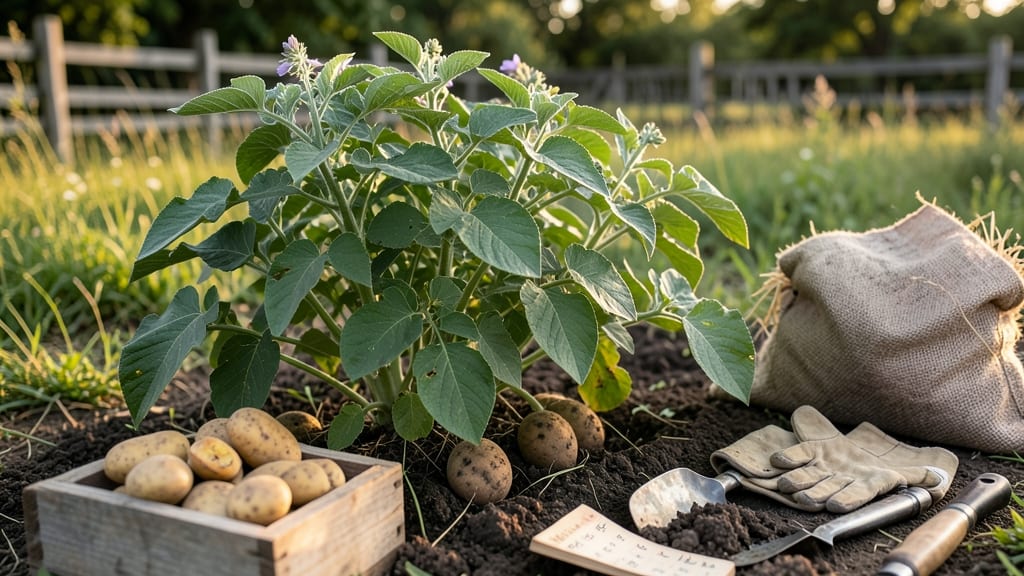
Planting potatoes in North Carolina at the wrong time can mean the difference between a bumper harvest and a sad, stunted crop. The secret to success lies in understanding when your soil reaches that perfect 40-50°F sweet spot for germination—because waiting too long or planting too early can both backfire.
I’ve learned the hard way that North Carolina’s diverse climate zones—from the warmer Coastal Plain to the cooler Mountains—demand different strategies. Whether you’re in the Piedmont or near the coast, timing your 🥔 potatoes right ensures faster sprouting and healthier tubers.
Let’s break down exactly when to plant based on your region and soil conditions.
Most gardeners in North Carolina start planting between February and April, but the exact window depends on frost risk and soil temperature.
The key is to avoid planting when the ground is still too cold, which can lead to rot, or too warm, which may cause the potatoes to sprout too quickly. I’ll show you how to test your soil and adjust your planting schedule for the fastest, most reliable results.
If you’ve ever watched your potato seeds sit in cold soil for weeks without sprouting—or worse, seen them rot before they even had a chance—this guide is for you.
By the end, you’ll know exactly when to get those spuds in the ground for a faster, more abundant harvest, no matter where you are in the state.
North Carolina planting zones and soil temperature triggers for potatoes
North Carolina spans USDA zones 5b through 8a, creating dramatic differences in when you can safely plant potatoes. In cooler mountain regions like zone 5b-6a, wait until late March or April, while coastal areas in zone 7b-8a can start as early as February.
The secret? Soil temperature—not air temperature—determines germination success.
Potatoes need soil that's consistently 40-50°F (4-10°C) for 7-10 days before planting. Below 40°F (4°C), seeds rot; above 50°F (10°C), they sprout too quickly and risk frost damage. My go-to method is using a soil thermometer—cheap, accurate, and game-changing for NC gardeners.
Here’s how to test your soil temperature like a pro: Bury the thermometer 4 inches deep (where potatoes will grow) and check readings morning and evening.
If temps dip below 40°F (4°C) at night, delay planting. Pro tip: Black plastic mulch warms soil by 5-10°F—perfect for extending your planting window.
In zone 5b-6a (Western NC), I’ve learned to plant Yukon Golds in late March after testing soil temps for 3 days. If temps drop below 40°F (4°C) at night, I cover rows with agricultural fabric to protect sprouts.
For zone 7b-8a (Coastal Plain), I start Red Pontiacs in January—soil warms faster there, but I still test temps to avoid over-sprouting.
One common mistake? Relying on air temperature. My neighbor planted Russets in February in zone 6b because the air felt warm—only to lose half the crop when a 28°F (-2°C) snap hit. Soil temperature is the real predictor, not the weather forecast.
Invest in a $10 soil thermometer—it’s the best $10 you’ll spend on your potato patch.
For container growing, soil warms 2-3°F faster than in-ground beds. Fill pots with a 50/50 mix of compost and potting soil to improve heat retention. Place containers on black plastic trays or near south-facing walls to accelerate warming.
I’ve had success planting fingerlings in containers by early February in zone 7a using this method.
If your soil stays below 40°F (4°C) past March, try chitting potatoes indoors. Place seed potatoes in a cool, bright spot (like a sunny windowsill) for 4-6 weeks before planting.
The sprouts (chits) give you a 10-day head start on growth once soil warms. Just don’t let them get longer than 1 inch—they’ll be too weak for transplanting.
Remember: Potatoes hate cold soil, but they also rot in soggy conditions. Amend your soil with compost and coarse sand to improve drainage. In heavy clay soils (common in zone 7b-8a), I add 1 inch of sand per square foot to prevent waterlogging.
Well-drained soil + warm temps = fast, even germination.
Start testing your soil temperature 2 weeks before your target planting date. If temps are too cold, use black plastic mulch or a low tunnel to warm the soil.
In zone 5b, I’ve planted as late as mid-April with success by using these tricks—don’t let the calendar dictate your planting schedule!
Best planting months by North Carolina region (with frost risk factors)
North Carolina's diverse climate means your potato planting window depends entirely on where you live. The Piedmont region can start as early as February, while the Mountains often wait until April to avoid frost damage.
Understanding these regional differences is crucial—because planting too early in cold soil leads to blackleg disease, while waiting too long reduces your harvest window.
I’ve planted potatoes across all three NC regions, and the biggest mistake I see is ignoring frost risk factors. For example, the Coastal Plain rarely sees frost after March 15th, but mountain areas can still experience late frosts in April.
The solution? Use row covers or wait until soil temperatures consistently stay above 45°F for at least a week.
Here’s how to match your region to the perfect planting window:
If you’re in the Piedmont, aim for planting by March 15th—this gives you a 90-day harvest window before summer heat stress. Meanwhile, mountain gardeners should wait until after April 15th to avoid blackleg disease, which thrives in cold, wet soil.
I once lost an entire crop in the Blue Ridge by planting too early—now I test soil temperature with a soil thermometer before committing.
For all regions, late varieties like 'Kennebec' can handle longer growing seasons, while early varieties like 'Red Pontiac' are better for short-season areas. The key is matching your last frost date with your potato’s maturity time.
Most NC gardeners succeed by planting two weeks before their average last frost date, but always check local frost risk maps—they’re free and save headaches.
One final trick: if you’re worried about late frosts, plant a second crop 2-3 weeks after your first. This staggered approach ensures you’ll have potatoes ready to harvest before summer heat sets in.
I’ve used this method in the Sandhills, and it’s guaranteed to extend your harvest season by 3-4 weeks.