
Plants
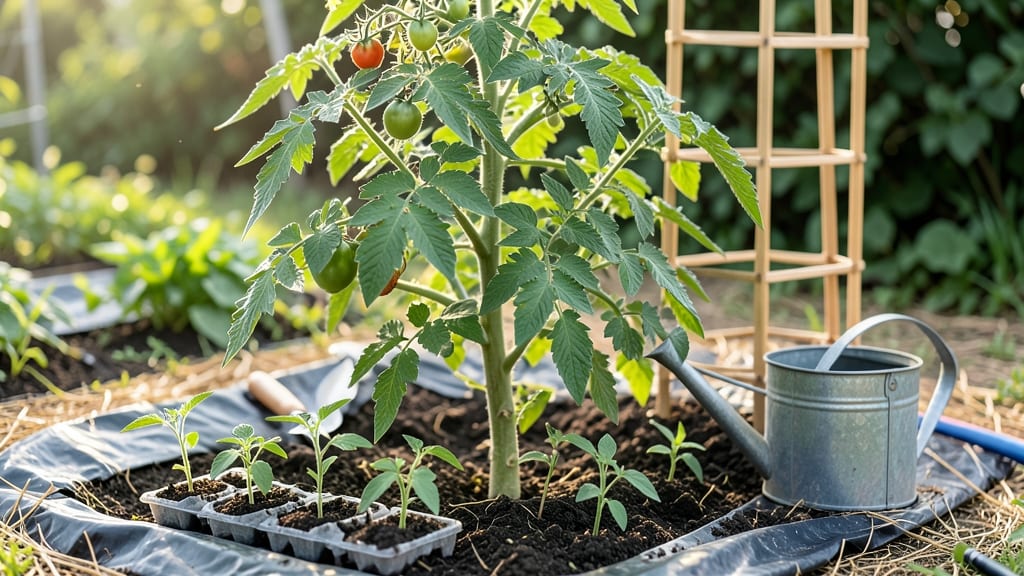
Planting tomatoes in North Carolina isn't a one-size-fits-all task—your exact timing depends on whether you're in the Coastal Plain, the Piedmont, or the Mountains, each with its own frost quirks.
While most gardeners wait until mid-April, those in Zone 7a might need to hold off until early May to avoid surprise freezes that can wipe out young plants.
Getting the timing right means the difference between a bumper crop of juicy 🍅 and a sad, frost-nipped disappointment. I’ll break down the precise weeks before your last frost date—because even a week’s delay can mean healthier plants and bigger yields.
Plus, I’ll share how to tweak your schedule if you’re dealing with urban heat islands or coastal breezes that throw off the norm.
You’ll also discover which tomato varieties thrive in NC’s short season versus those that handle the heat better. Whether you’re a first-time gardener or a seasoned grower, these insights will help you plan like a pro—so you’re not scrambling when the first warm days arrive.
Ready to set your tomatoes up for success? Let’s dive into the exact planting windows, soil prep tips, and post-planting care that’ll keep your vines producing from June through October—no matter where in North Carolina you’re gardening.
North Carolina tomato planting calendar by region: exact weeks before last frost
North Carolina’s diverse climate—from the warm Coastal Plain to the cooler Mountains—means your tomato planting schedule should match your USDA hardiness zone. Planting too early risks frost damage, while waiting too long cuts your harvest window.
For best results, aim to plant 2-4 weeks before your region’s last frost date, when soil temperatures reach 55°F+.
I’ve broken down the exact planting windows for NC’s five key regions, including Coastal (Zone 8a-8b), Piedmont (Zone 7a-7b), and Mountains (Zone 6b-7a). Each area has a unique frost timeline, so check your local NC State Extension office for precise dates if needed.
Tomatoes thrive in warm soil, so always test your soil temperature with a thermometer before planting. Cold soil (below 55°F) delays germination and invites disease. Use black plastic mulch or row covers to warm the soil faster if your region runs late.
Here’s the region-by-region breakdown of when to plant tomatoes in North Carolina, including indoor starts and outdoor transplants:
| Region | USDA Zone | Last Frost Date | Plant Indoors (Start) | Transplant Outdoors | Soil Temp Requirement |
|---|---|---|---|---|---|
| Coastal Plain (e.g., Wilmington, Morehead City) | 8a-8b | March 15 | February 15 | March 1–15 | 55°F+ |
| Piedmont (e.g., Raleigh, Charlotte) | 7a-7b | April 1 | March 1 | April 15–30 | 55°F+ |
| Western Piedmont (e.g., Greensboro, Asheville) | 7a | April 10 | March 10 | April 1–15 | 55°F+ |
| Mountains (e.g., Boone, Waynesville) | 6b-7a | April 20 | March 15 | May 1–15 | 60°F+ (cooler zones) |
| High Mountains (e.g., Mount Mitchell) | 6a | May 1 | April 1 | May 15–30 | 60°F+ (warmer soil needed) |
For Coastal NC, you can plant indoor starts as early as mid-February and transplant outdoors by March 1. This early start gives you a longer harvest season before summer heat sets in. In contrast, mountain regions often wait until May to avoid late frosts, which can devastate young plants.
If you’re unsure about your exact last frost date, use NC State Extension’s frost date maps or check with your local Cooperative Extension office. They provide hyper-local data that accounts for microclimates, like urban heat islands or valley frost pockets.
For example, Asheville’s last frost might be a week earlier than nearby Boone due to elevation differences.
Pro tip: Use row covers or cold frames to extend your planting window by 2-3 weeks in cooler zones. These protect young plants from unexpected late frosts while allowing you to plant earlier. Just remove covers once plants are established (6+ inches tall) to prevent overheating.
Once your soil is warm and frost-free, harden off your seedlings by placing them outdoors for 2-3 hours daily over a week. This gradual transition prevents shock and ensures strong, resilient plants ready for your North Carolina garden. 🌱
How to adjust tomato planting dates for North Carolina’s microclimates
North Carolina’s diverse geography—from the coastal plains to the mountainous west—creates microclimates where frost dates can vary by 3-4 weeks. If you’re planting tomatoes in Raleigh’s Piedmont heat, you might start 2 weeks earlier than a mountainous Asheville garden.
Understanding these shifts helps you avoid late frosts or overly hot conditions that stress young plants.
Even within cities, urban heat islands can push planting dates 10-14 days forward compared to rural areas. For example, Charlotte’s sidewalks trap heat, while western NC’s high elevations delay spring by weeks. Adjusting for these factors ensures your tomato seedlings thrive from day one. Here’s how to fine-tune your schedule:
- 1. Coastal Areas (Zones 8a-8b): Plant 4-6 weeks earlier (late Feb–early March) due to milder winters and warmer soils. Use row covers if early frosts linger near Wilmington.
- 2. Piedmont (Zones 7a-7b): Stick to 2-4 weeks before last frost (mid-April). Urban areas (Raleigh, Greensboro) can plant 1 week earlier than rural spots due to heat retention.
- 3. Mountains (Zones 6a-7a): Delay until late April–early May when soil hits 55°F+. High elevations (Boone, Waynesville) often need cold frames to extend the season.
- 4. Urban Heat Islands: Cities like Charlotte or Winston-Salem can plant 10-14 days early—monitor soil temps with a thermometer to avoid overheating seedlings.
To further extend your tomato-growing season, use row covers or cold frames in cooler zones. These tools add 4-6°F of warmth, letting you plant 2-3 weeks earlier in spring or harvest 2-3 weeks later in fall.
For example, Asheville gardeners can push first plantings to early April with a cold frame, while coastal growers might use row covers to protect blossoms from unexpected chilly snaps.
Verify your local frost dates with this 3-step checklist:
- Check NC State Extension’s frost probability tool for your specific county.
- Monitor soil temps—tomatoes need 55°F+ for roots to establish (use a soil thermometer).
- Adjust for elevation: Add 1 week per 500 ft in altitude to standard planting dates.
For coastal gardens, watch for salt spray near the shore—it can stress plants. Use raised beds with fresh soil or drip irrigation to flush out excess salt. In mountain regions, prioritize early-maturing varieties (like ‘Mountain Merit’) to beat the shorter growing season.
Urban gardeners should also mulch heavily to retain moisture in dry, hot microclimates.
By accounting for these microclimate tweaks, you’ll maximize your tomato harvest—whether you’re growing heirlooms in the Piedmont or cherry tomatoes on a balcony in Charlotte. Start with the right timing, and your plants will reward you with juicy, homegrown tomatoes all season long! 🍅