
Plants
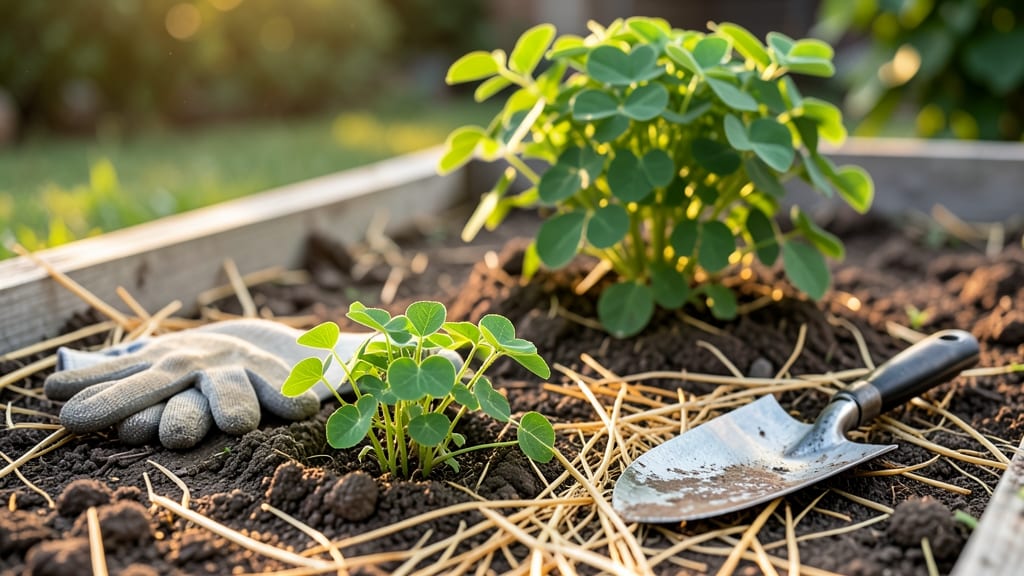
Planting peanuts in North Carolina at the wrong time can turn your 🥜 dreams into a soggy mess—literally. The key to fast, healthy germination isn’t just waiting for spring; it’s knowing when the soil warms to 50°F–60°F, a window that shifts between the Coastal Plain and Piedmont regions.
Most NC gardeners assume peanuts are a summer crop, but the real magic happens in late April through early June, right after the last frost. That’s when your soil temperature triggers those tiny seeds to wake up and grow.
Skip this window, and you risk slow starts or even failed crops—especially in USDA Zones 7a-8b.
What makes this even trickier? Humidity and sandy soils can fool you into thinking conditions are perfect when they’re not. I’ll show you how to test your soil temperature, adjust for regional differences, and time your planting for maximum harvest success—without guessing.
Ready to turn your garden into a peanut powerhouse? Let’s break down the exact steps to plant at the perfect moment, so you’re harvesting plump, flavorful pods by late September or October.
Optimal soil temperature ranges for planting peanuts in NC
Peanuts are finicky about soil temperature—plant them too early in chilly NC soils, and they’ll rot before sprouting. Too late, and you risk heat stress or stunted growth. The sweet spot for germination is 50°F–60°F, but once they’re up, peanuts crave 70°F+ for vigorous growth.
This range shifts across NC’s regions, so let’s break it down by zone.
North Carolina’s three distinct growing regions—Coastal Plain, Piedmont, and Mountains—each have unique soil warming patterns. The Coastal Plain warms fastest due to its milder winters, while the Piedmont lags behind by 1–2 weeks.
Mountain regions? Forget it for peanuts—they’re too cool for reliable germination. Here’s how to align your planting with nature’s thermostat.
Testing soil temperature is easier than you think. Grab a soil thermometer (or a reliable meat thermometer) and check 2–3 inches deep in the morning. If it’s below 50°F, wait—peanut seeds need warmth to activate.
Pro tip: Black plastic mulch can raise soil temps by 5–10°F in as little as 24 hours, giving you an edge in cooler zones.
Here’s the critical comparison of soil temperature thresholds by NC region, including when to plant for best results:
| Region | Germination Temp (°F) | Peak Growth Temp (°F) | Ideal Planting Window | Soil Prep Tip |
|---|---|---|---|---|
| Coastal Plain | 50–60°F | 70–90°F | Late April–early May | Ammend sandy soils with compost |
| Piedmont | 55–65°F | 70–85°F | Early–mid May | Use black plastic mulch for warmth |
| Mountains | Not suitable (too cool) | N/A | Avoid peanuts (try sweet potatoes) | Focus on frost-tolerant crops |
The Coastal Plain can start planting as early as late April when soils hit 50°F, but the Piedmont often waits until early May to avoid late frost risks.
If you’re in the Mountains, save your energy—peanuts won’t thrive there. Instead, focus on crops like sweet potatoes or greens that handle cooler temps.
Once your soil hits 50°F, act fast! Peanuts germinate best within 3–5 days of planting. If temps dip below 45°F after sowing, cover seeds with row fabric until they sprout. This trick works wonders in the Piedmont, where mornings can still be chilly in May.
Don’t rely on air temperature—soil warms slower and holds heat longer. A sunny 75°F day might feel perfect, but your soil could still be 60°F at planting depth. Use a soil thermometer for 3 consecutive mornings to confirm consistency. If temps fluctuate wildly, delay planting until conditions stabilize.
Peanuts need consistent warmth to develop their signature underground pods. Once they’re established, aim for 70°F+ soil temps during the day and 60°F+ at night.
In the Coastal Plain, this usually means planting by early May, while the Piedmont might need to wait until mid-May to avoid heat stress later in the season.
If you’re in a transitional zone (like the Sandhills between Coastal Plain and Piedmont), err on the side of caution. Plant a test row in early May and monitor soil temps weekly.
Adjust your full planting schedule based on how quickly those seeds sprout. Patience here pays off with bigger yields and healthier plants.
Remember: Peanuts hate cold feet. Even if your air temps feel spring-like, cold soil will stall germination. Use black plastic mulch or straw covers to create a warmer microclimate. In my Piedmont garden, this extra step has boosted germination rates from 60% to 90%—worth the effort!
Best planting windows by NC region: Coastal Plain vs. Piedmont timing
North Carolina’s peanut-growing zones have distinct planting windows that can make or break your harvest. The Coastal Plain and Piedmont share similar climates but differ by 2–3 weeks in ideal timing due to temperature gradients.
Get this wrong, and you’ll face frost damage or heat stress—both killers for peanuts. Let’s compare the two regions side by side so you can plant with confidence.
In the Coastal Plain, where soils warm faster, the ideal window stretches from late April to early May. This zone’s milder winters and sandy soils create a head start, but don’t rush—wait until soil temps hit 50°F–60°F at 2–3 inches deep.
The Piedmont, however, plays it safer with early to mid-May plantings, avoiding late frosts that can linger until mid-April in higher elevations.
Coastal Plain vs. Piedmont Planting
✅ Coastal Plain (Late April–Early May)
- Faster soil warming (50°F+ by late April)
- Earlier harvest potential (late September)
- Lower frost risk after mid-April
✅ Pros:
- Longer growing season
- Higher yields with ideal timing
- Less need for mulch
❌ Coastal Plain (Risks)
- Early planting (before 50°F) causes rot
- Sandy soils dry fast—needs consistent water
- Heat stress if planted too late (after early May)
✅ Piedmont (Early–Mid May)
- Slower soil warming (55°F+ by early May)
- Lower frost risk after mid-April
- Better for beginners (more forgiving window)
✅ Pros:
- More stable soil temps
- Less risk of late frost
- Easier to adjust timing
❌ Piedmont (Risks)
- Late planting (after mid-May) reduces yield
- Cooler soils need mulch for warmth
- Shorter growing season (harvest by late October)
If you’re in the Coastal Plain, aim for late April plantings but don’t go earlier—cold soil below 50°F will rot seeds before they sprout. Use a soil thermometer to confirm temps for 3 mornings in a row.
In the Piedmont, wait until early May to avoid late frosts, which can still hit after April 15 in some years. I’ve seen entire rows wiped out by a surprise frost in May—don’t let that happen to you!
Both regions face heat tolerance limits once peanuts are established. In the Coastal Plain, soil temps can hit 90°F+ by June, stressing plants. To combat this, use shade cloth or mulch to keep soil temps below 85°F.
The Piedmont avoids extreme heat but may struggle with humidity, which increases fungal risks. Here, focus on well-draining soil and morning watering to prevent disease.
Adjust your timing if you’re in a transitional zone like the Sandhills. Test soil temps weekly and plant when they hit 52°F–58°F—a middle ground between the two regions. I’ve found that early May works best here, balancing frost risk and heat stress.
For extra insurance, plant a test row in late April and monitor germination. If seeds sprout within 5–7 days, you’re golden; if not, wait a week and replant.
Pro tip: Use black plastic mulch in both regions to accelerate soil warming. In my Piedmont garden, this trick let me plant 10 days earlier than usual without risking frost damage. Just remove the mulch once plants are 3 inches tall to prevent overheating.
With the right timing and a little extra care, you’ll be harvesting plump, flavorful peanuts by late September or October—no guesswork needed!