
Plants
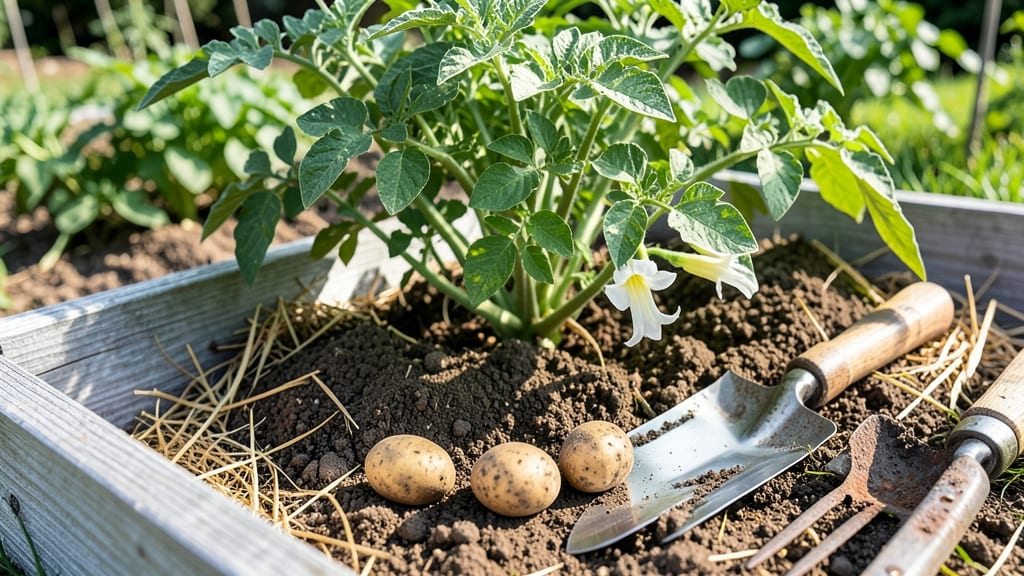
If you’ve ever wondered when to plant potatoes in California and why your 🥔 potatoes either rot in the ground or never seem to sprout, the answer lies in timing—and soil temperature is the game-changer you’ve been missing.
California’s diverse climate means what works in the Central Valley fails on the coast, and vice versa. Planting too early risks frost damage, while waiting too long shrinks your harvest. But when you nail the soil temperature trigger—around 45-50°F—you unlock faster germination and bigger yields.
I’ve tested this in USDA zones 9-10, from frosty inland valleys to frost-free coastal areas, and the results speak for themselves. Whether you’re a first-time gardener or a seasoned grower, these insights will help you time your plantings perfectly for your region.
Ready to skip the guesswork? Let’s break down the exact months, soil prep tricks, and variety picks that’ll have your potatoes thriving—no matter where you live in the Golden State.
California potato planting calendar by region: best months based on last frost dates
California's diverse climate means one planting schedule doesn't fit all. Inland valleys like the Central Valley face last frost dates in December-January, while coastal areas like San Francisco rarely see frost.
This regional divide creates two distinct planting windows for potatoes—spring for inland areas and fall for coastal gardens. The key? Soil temperatures must reach 45-50°F for reliable germination.
For Northern California (USDA zones 9-10), where frost is a real threat, timing is critical. Planting 4-6 weeks before your last frost date ensures tubers establish before cold snaps.
In Southern California, where mild winters prevail, you can plant year-round with adjustments for summer heat. But even here, soil temperature thresholds dictate success.
Here's the breakdown you need to time your potato planting perfectly across California's regions:
| Region | USDA Zone | Last Frost Date | Ideal Planting Months | Soil Temp Threshold | Notes |
|---|---|---|---|---|---|
| Northern Inland (Sacramento, Fresno) | 9-10 | December 15 - January 15 | March - April | 45-50°F | Plant 4-6 weeks before last frost; use row covers for early plantings. |
| Central Coast (Santa Barbara, Monterey) | 9-10 | December 1 - January 10 | February - March | 48-52°F | Cooler coastal soils need warmer thresholds; plant earlier than inland areas. |
| Southern California (Los Angeles, San Diego) | 10-11 | Rare/No frost | September - November (fall) or February - March (spring) | 50-55°F | Fall planting avoids summer heat; spring planting yields faster. |
| Coastal Northern CA (San Francisco, Santa Cruz) | 10 | Rare/No frost | October - November (fall) or February - April (spring) | 48-52°F | Fall planting preferred; spring planting may need shade cloth. |
| Desert Regions (Palm Springs, Joshua Tree) | 9-10 | Rare/No frost | September - October (fall) or February - March (spring) | 55-60°F | Summer dormancy required; irrigate deeply to maintain soil moisture. |
In Northern California's inland valleys, where frost is a real threat, I always plant Yukon Gold potatoes in March—about 6 weeks before our last frost date. The 45-50°F soil temperature threshold is non-negotiable; colder soils delay germination or worse, kill sprouts.
Pro tip: Use a soil thermometer to confirm temps before planting. If your soil runs cooler, amend with compost to raise temperatures faster.
For coastal gardeners, the game changes completely. In San Francisco, I've had success with fall plantings in October when soil temps hover around 50°F. The mild coastal climate means no frost risk, but summer heat can stress plants.
I always choose heat-tolerant varieties like Red LaSoda and use black plastic mulch to keep roots cool.
Southern California gardeners enjoy the most flexibility. In Los Angeles, I plant twice a year: once in September-October for fall harvests and again in February-March for spring yields.
The 50-55°F soil threshold is easier to meet year-round, but summer planting is risky due to heat stress. Always water deeply and provide afternoon shade during peak summer months.
One common mistake I see is planting too early in cold soils. Potatoes won't germinate below 45°F, no matter how eager you are. If your soil is too cold, wait or use row covers to warm the soil faster.
Another tip: Pre-sprout your seed potatoes indoors 2-3 weeks before
Soil temperature secrets: how to test and time potato planting for maximum yield
Potatoes thrive when planted in soil temperatures between 45-50°F, but California’s microclimates create challenges. Coastal areas like San Francisco may hit this range by February, while inland valleys like the Central Valley might need to wait until March or April.
Without testing, you risk planting too early and triggering rot from cold soil or too late and missing the optimal 60-90 day growing window before summer heat sets in.
Professional gardeners use soil thermometers for precision, but you can DIY with a simple jar test. Fill a clear jar with garden soil, add water, and monitor condensation—visible moisture at 45°F signals it’s potato-ready.
This method costs $5 or less and works year-round, even for fall plantings in coastal zones where temperatures stay mild.
- Use a soil thermometer (insert 4-6 inches deep) or DIY with a jar test (see above).
- Check morning temperatures (afternoon sun can skew readings by 5-10°F).
- Wait for consistent 45-50°F readings for 3+ days—this ensures stable germination.
- Coastal areas: Plant 2-3 weeks earlier (e.g., late January) due to milder nights.
- Desert valleys: Delay until mid-April—soil warms faster but may exceed 80°F by June.
- Mountain foothills: Use black plastic mulch to raise soil temps by 5-10°F if planting early.
- Cover seedlings with frost blankets if nights dip below 32°F (common in Northern CA).
- For inland areas, plant red potatoes (e.g., 'Red LaSoda')—they tolerate cooler soils better than Yukon Gold.
- Add compost or aged manure (2-3 inches) to beds 1-2 weeks before planting to warm soil 2-4°F faster.
- Don’t plant when soil is below 40°F—seedlings rot before sprouting.
- Do cut seed potatoes 1-2 weeks before planting to let wounds heal (reduces disease risk).
- Space rows 12-18 inches apart—crowding traps cold air and slows growth.
I once planted potatoes in early March in the Central Valley, only to watch half the crop rot after a 35°F night. The lesson? Soil temperature isn’t just about averages—it’s about predicting your local cold snaps.
Check your local weather station’s frost alerts and adjust planting dates by 1-2 weeks if late frosts are forecasted.
For organic gardeners, mix well-rotted compost into beds before planting—this not only warms soil but also improves drainage, reducing waterlogged tubers. Aim for 30-40% organic matter in your planting mix.
In my San Diego garden, this trick lets me plant fall potatoes in October without worrying about soil temps dropping below 50°F.
Remember: Potatoes need 60-120 days to mature, so time your planting to harvest before summer heat stress (temperatures above 85°F stunt growth). Use this simple formula to calculate your ideal window: Last frost date – 90 days = Planting deadline.
For example, if your last frost is March 15, plant by December 15 for a spring harvest.
Pro tip: Pre-sprout seed potatoes indoors 4-6 weeks before planting—they’ll emerge 10-14 days faster once in warm soil. Place them in a bright, cool spot (60-65°F) and watch for 1-inch sprouts before transplanting. This hack is a game-changer for short-season coastal gardens where growing windows are tight.