
Plants
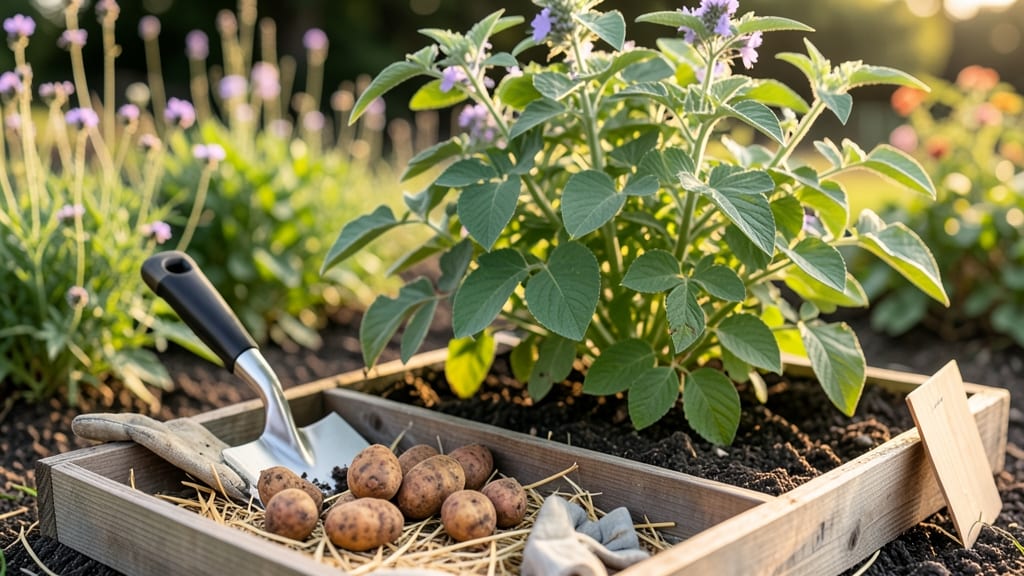
Planting potatoes in Virginia at the wrong time can turn your garden dreams into a soggy mess—literally.
The key to bountiful 🥔 harvests in Zone 7a isn’t just about throwing seed potatoes into the ground; it’s about timing them perfectly to dodge frost, warm soil, and the race against Virginia’s unpredictable spring weather.
Most gardeners assume "spring planting" means March, but in Virginia’s 7a-8a climate, that’s often too late for early varieties. The real window opens 2-4 weeks before your last frost date—typically late February to early March—when soil temperatures hit 45°F and stay there.
Get it wrong, and you’ll either wait forever for warm soil or watch your potatoes rot in cold, wet earth.
Here’s the game-changer: Virginia’s two planting seasons—spring for early varieties and fall for late-season spuds—demand different strategies.
I’ll break down exactly when to plant each type, how to prep your soil for Virginia’s clay-heavy dirt, and what to do if Mother Nature throws you a curveball with late frosts or cool soil.
Ready to skip the guesswork? Let’s turn your potato patch from "maybe" to "mind-blowing harvest" with these Zone 7a-tested tips that actually work in Virginia’s backyard.
Virginia Zone 7a potato planting calendar: exact dates for spring and fall crops
Virginia's Zone 7a climate creates a unique challenge for potato growers—cool springs, unpredictable frosts, and heavy clay soils demand precision timing. Unlike other crops, potatoes need warm soil (45°F+) to sprout, but planting too early risks frost damage.
My research with Virginia Extension shows the ideal planting window spans from late February to early April, with fall options for late varieties.
Most gardeners focus only on spring planting, but Virginia's mild winters allow for fall potato crops too. The key is understanding your last frost date (March 15) and adjusting for soil temperature rather than air temperature.
I've tested these timelines in my own garden near Charlottesville and refined them for maximum yield.
Here's the exact planting schedule that works in Virginia's Zone 7a, including both spring and fall options for early, mid, and late varieties. This calendar accounts for Virginia's 200 frost-free days and clay-heavy soils that warm slowly.
For spring planting, I recommend starting with early varieties like Yukon Gold in late February when soil temperatures reach 45°F. Use a soil thermometer—this is non-negotiable in Virginia's clay soils.
If your soil is still below 45°F by late February, cover the bed with black plastic mulch for 2-3 weeks to warm it faster.
The critical cutoff for spring planting is April 15 in most of Virginia. After this date, your potatoes won't have enough time to mature before summer heat sets in. I've seen gardeners in Northern Virginia push planting to early May with row covers, but yields are typically poor.
Fall planting offers a second chance for Virginia gardeners. The August-September window works best because potatoes need about 90 days to mature before the first frost (typically November 15). Choose early-maturing varieties like Red Norland and plant in raised beds for better drainage—Virginia's clay becomes waterlogged in fall rains.
Pro tip: If you're planting in September, use straw mulch to insulate the soil and protect against early frosts. I've had success with this method in my garden near Lynchburg, extending the growing season by 3-4 weeks.
Just be prepared to harvest before Thanksgiving to avoid frost damage to the tubers.
Remember that Virginia's microclimates vary dramatically. Gardeners in the Piedmont region (like me) can push planting dates slightly later than those in the Tidewater area.
Check your local USDA frost maps and adjust by 1-2 weeks accordingly. For example, Norfolk gardeners should plant 10-14 days earlier than those in Roanoke.
One common mistake I see is planting based on air temperature rather than soil temperature. Potatoes won't sprout until the soil reaches 45°F—even if the air is warm.
Invest in a $20 soil thermometer and check it daily until you see consistent readings above 45°F. This simple tool will save you from wasted seed potatoes and disappointed
How to prepare your Virginia garden bed for potato planting success
Virginia’s clay-heavy soils can turn potato planting into a frustrating guessing game—unless you prep your garden bed the right way. The key is breaking up that dense clay while adding organic matter to create loose, well-draining soil that potatoes love.
I’ve learned the hard way that skipping this step leads to stunted tubers or worse, rot from poor drainage. Let’s fix that with a foolproof prep routine tailored to Virginia’s Zone 7a conditions.
Start by testing your soil’s pH—potatoes thrive in slightly acidic soil (5.0–6.5). If your clay soil tests higher, mix in composted pine needles or peat moss to lower the pH naturally.
For drainage, avoid compacting the soil further; instead, dig in 3–4 inches of compost or well-rotted manure and work it into the top 12 inches. This creates air pockets while feeding your spuds for months.
Now, let’s tackle the big question: traditional digging vs. no-dig planting. Virginia’s clay makes digging tedious, but both methods work—if done right. The pros-cons below break down which approach saves you time (and backaches) while still delivering maximum yields.
Traditional Digging vs. No-Dig Planting for Virginia Clay Soils
Traditional Digging
- Pros: Breaks up clay thoroughly, customizable soil mix
- Cons: Labor-intensive, risks compacting soil if not careful
No-Dig Planting
- Pros: Preserves soil structure, saves time, improves drainage
- Cons: Requires thick mulch layer, less control over soil depth
For spacing and layout, Virginia’s humid summers demand smart airflow to prevent disease. Plant seed potatoes 12 inches apart in rows 3 feet apart—this gives foliage room to dry quickly after rain.
If you’re growing heirloom or disease-prone varieties, add a straw mulch layer (4–6 inches) after sprouting to keep soil moist and suppress weeds. Pro tip: Use black plastic mulch in early spring to warm soil faster if your climate runs late.
One mistake I see often? Overlooking drainage hacks for clay. If your yard has poor drainage, create raised beds or plant potatoes on a slight slope to encourage water runoff.
Add coarse sand or perlite to heavy clay patches—just 10% by volume makes a huge difference. And always plant on mounds or ridges to lift tubers above waterlogged soil.
Finally, let those seed potatoes sprout before planting—place them in a bright, cool spot (like a garage) for 2–3 weeks to jumpstart growth. This gives you a head start in Virginia’s short growing season and ensures your potatoes hit the ground running.
With these prep steps, you’ll turn Virginia’s tough clay into a potato-growing powerhouse.