
Plants
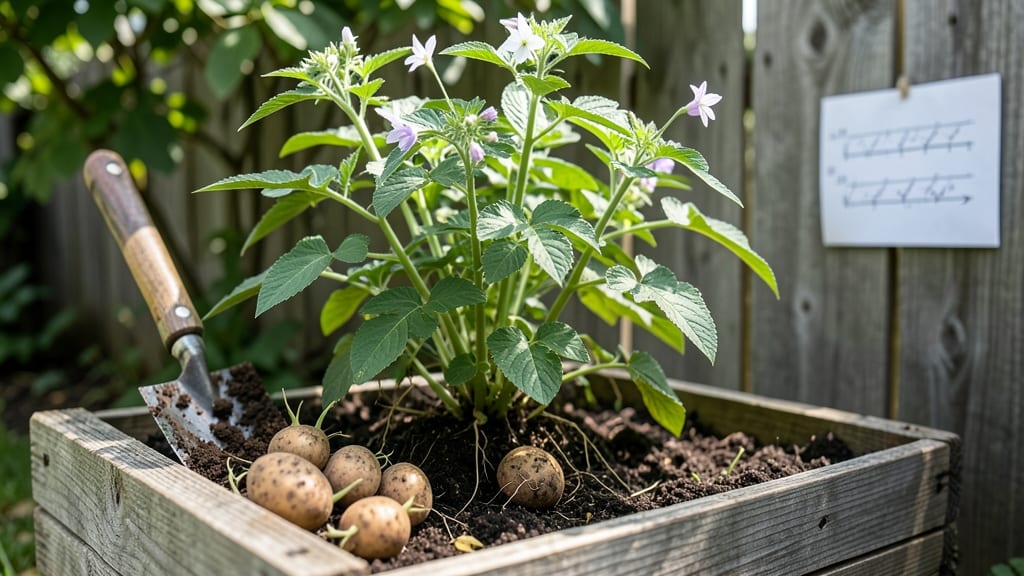
Planting potatoes in Ohio isn't just about tossing them in the dirt—it's about timing them perfectly to beat frost and maximize your harvest.
The exact window for planting your 🥔 starts 2-4 weeks before the last frost, typically in early spring when soil hits 45°F, giving you the best shot at a bumper crop before summer heat sets in.
If you're in Zone 6a, like most of Ohio, you'll want to get those seed potatoes in the ground by mid-April at the latest. But here's the catch: frost-sensitive varieties need extra care, while cold-hardy types can handle a little chill.
I'll show you how to pick the right potatoes for your region and avoid common mistakes that ruin harvests.
Why does this matter? Because planting too early means frost damage, and too late means smaller yields. You'll learn the ideal weeks before last frost for Ohio's climate, plus pro tips to extend your growing season—like using row covers or succession planting—to squeeze every last tuber out of your garden.
Let's dive into the precise schedule, variety recommendations, and soil prep tricks that'll have you digging up potatoes by July or August. Your future harvest depends on getting this right—so let's make it happen!
Ohio’s last frost dates by region: exact weeks before planting potatoes
Ohio’s diverse climate means last frost dates can vary by 10–14 days between northern and southern regions. For potatoes, timing is critical—plant too early, and frost kills tender sprouts; too late, and your harvest suffers.
I’ve broken down Ohio’s microclimates into three key regions to help you calculate your ideal planting window for early, mid, and late varieties.
Northern Ohio (USDA Zones 5a–5b, e.g., Cleveland, Toledo) typically sees its last frost between April 15–May 1. Southern Ohio (Zones 6a–6b, e.g., Columbus, Cincinnati) warms up faster, with last frosts around April 1–April 15.
Even within these zones, urban areas can be 2–3°F warmer than rural spots, so adjust accordingly.
Potatoes thrive when soil temperatures hit 45°F (7°C). Use a soil thermometer to confirm readiness—cold soil delays sprouting. In Northern Ohio, aim to plant 2–3 weeks before your average last frost (mid-March to early April).
Southern Ohio gardeners can start 1–2 weeks earlier (late February to mid-March) for frost-sensitive varieties.
Here’s how to calculate your personalized planting window: Subtract 3–4 weeks from your region’s last frost date for early varieties (e.g., Red LaSoda), 2–3 weeks for mid-season (e.g., Yukon Gold), and 1–2 weeks for late harvesters (e.g., Kennebec).
For example, if your last frost is April 20, plant early varieties by March 25.
Ohio’s first frost usually arrives October 15–November 1, giving you a 165–180-day growing season. Late varieties like Russet Burbank need full season length, while early types (e.g., Early Rose) mature in 60–75 daysg, leaving room for succession planting.
🌱
| Region | USDA Zone | Avg. Last Frost | Plant Early Varieties | Plant Mid-Season | Plant Late Varieties |
|---|---|---|---|---|---|
| Northern Ohio | 5a–5b | April 15–May 1 | March 15–April 1 | March 25–April 10 | April 5–April 20 |
| Central Ohio | 6a | April 1–April 15 | February 25–March 20 | March 10–March 30 | March 20–April 5 |
| Southern Ohio | 6b–7a | March 15–April 1 | February 1–February 20 | February 15–March 10 | March 1–March 15 |
Use this table as your planting guide, but double-check with local data. For instance, Columbus (Central Ohio) often sees last frosts 5–7 days earlier than Toledo, so adjust your timeline. If you’re unsure, opt for cold-hardy varieties like Katahdin or Minnesota Gem, which tolerate light frosts.
For container gardening, plant 2–3 weeks later than in-ground potatoes—containers warm up slower. Place pots in south-facing spots and use black plastic mulch to raise soil temperatures by 5–10°F. This trick works especially well in Northern Ohio, where cooler soils delay planting.
Pro tip: Monitor Ohio State University Extension’s frost maps (updated annually) for real-time adjustments. In 2023, for example, Cleveland saw a late frost on May 5, pushing planting dates back by 2 weeks. Stay flexible—Ohio’s weather is unpredictable!
🌿
Best potato varieties for Ohio’s short growing season and how to choose
Ohio’s short growing season demands potato varieties that mature quickly and thrive in cool, humid conditions. Choosing the right type ensures a bountiful harvest before the first frost.
Early varieties like Yukon Gold and Red LaSoda are my top picks for their speed and adaptability to Ohio’s USDA Zone 5-6 climate.
For gardeners in Northern Ohio, prioritize early-maturing varieties (60-90 days) to avoid frost damage. Southern Ohio gardeners have slightly more flexibility but should still focus on disease-resistant types like Kennebec to combat Ohio’s damp summers.
Storage potential also matters—Russet varieties store longer, while fingerling potatoes are best eaten fresh.
Key factors when selecting varieties include:
- Days to maturity: 60-120 days (Ohio’s season limits late bloomers)
- Disease resistance: Blight-resistant (critical for Ohio’s humidity)
- Storage life: 3-6 months (longer for Russets)
- Flavor/texture: Buttery, crisp, or waxy (pick based on cooking needs)
My go-to varieties for Ohio gardens are:
- Yukon Gold (85 days): Creamy texture, great for roasting; thrives in cool soils
- Kennebec (90 days): Russet-type, blight-resistant, stores well for 6+ months
- Red LaSoda (75 days): Early maturer, sweet flavor, ideal for Northern Ohio
- Adirondack Red (80 days): Cold-hardy, vibrant color, perfect for succession planting
Avoid late-maturing varieties like Idaho Russet (120+ days) unless you’re in Southern Ohio with a longer season. Instead, opt for early varieties and use row covers to extend the harvest window. For container gardening, choose compact types like Red Norland (70 days) to maximize space.
Pro tip: Rotate crops annually to prevent soil-borne diseases. Plant potatoes after beans or corn (not after tomatoes or peppers, which share diseases). Test your soil’s pH (6.0-7.0) and amend with compost for optimal growth. Ohio’s clay-heavy soils benefit from sand or peat moss to improve drainage.
With the right variety and timing, you’ll enjoy a homegrown potato harvest from July to September, even in Ohio’s unpredictable climate. Start with Yukon Gold or Red LaSoda for a foolproof choice that delivers flavor and reliability. Happy planting! 🌱