
Plants
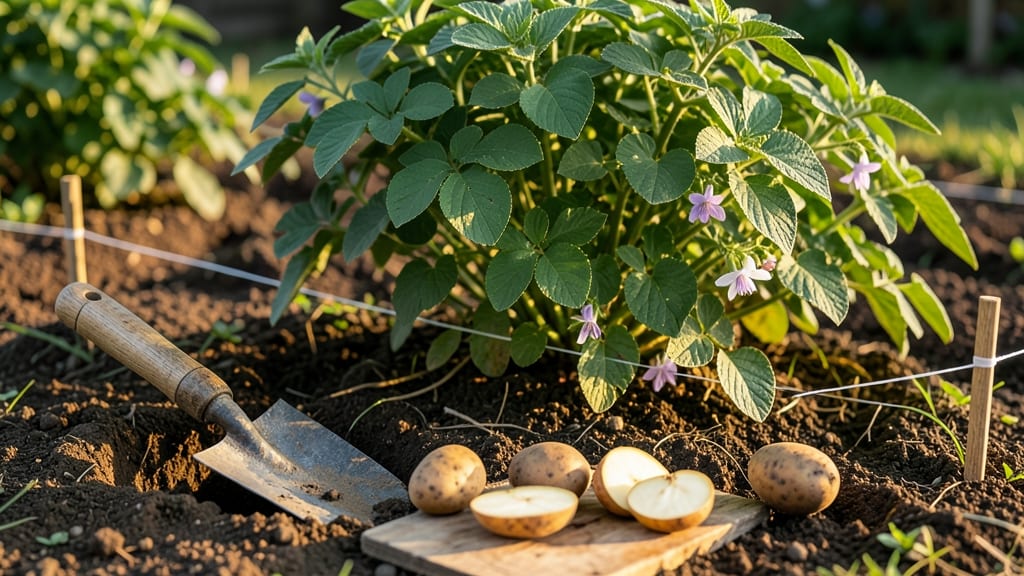
Planting potatoes in Zone 8 at the wrong time can mean the difference between a bountiful harvest and wasted effort. Whether you're a seasoned gardener or just starting with your 🥔 patch, knowing the perfect windows for spring and fall plantings is key to success.
In this zone, you’ve got two chances each year to grow potatoes—early spring or late fall—but timing matters more than you might think. Plant too early, and frost could ruin your crop; too late, and you’ll miss the sweet spot for maximum yield.
The secret lies in understanding your microclimate and choosing the right varieties for each season.
I’ll break down exactly when to plant in Zone 8, how to prepare your soil for each season, and what common mistakes to avoid. By the end, you’ll know the best planting schedule to keep your potatoes thriving from start to harvest.
Ready to turn your garden into a potato powerhouse? Let’s get those spuds in the ground at the perfect moment—no guesswork required.
Best planting times for potatoes in Zone 8: spring vs fall schedule
In USDA Zone 8, potatoes thrive with the right timing—plant too early, and frost will damage tender sprouts; too late, and your harvest won’t mature before winter. The key is understanding soil temperature thresholds and adjusting for your local microclimate.
With two planting windows—early spring and late fall—you can enjoy fresh potatoes twice a year. Let’s break down the ideal schedules and how to extend your growing season for fall plantings.
Spring planting in Zone 8 starts 4-6 weeks before your last frost date, typically between mid-February and March. For fall plantings, aim for late summer to early fall (September-October) to ensure tubers mature before the first frost.
The difference? Spring potatoes prioritize early harvests, while fall potatoes focus on longer growing seasons and cooler temperatures.
Here’s the critical comparison to help you decide which window works best for your garden:
| Planting Window | Ideal Months | Soil Temp Requirement | Days to Harvest | Frost Risk | Best Varieties |
|---|---|---|---|---|---|
| Spring | February-March | 45-55°F (7-13°C) | 60-90 days | Low (post-frost) | Yukon Gold, Red Pontiac |
| Fall | September-October | 50-60°F (10-16°C) | 90-120 days | High (pre-frost) | Kennebec, Russet |
For spring planting, focus on early-maturing varieties like Yukon Gold, which can harvest in as few as 60 days. These potatoes need soil temperatures above 45°F to sprout consistently. If your soil is still cold, use black plastic mulch to warm it faster.
In Zone 8, the last frost typically occurs around February 15, but microclimates near coasts or valleys may experience frost later.
Fall planting is trickier because it requires longer daylight hours to mature tubers before winter. Plant 90-120 day varieties like Kennebec in late August to early September to avoid early frost. To extend your season, use row covers or plant in warmer microclimates, like near south-facing walls.
Always check your local frost dates—some Zone 8 areas (like coastal California) have no frost, while inland regions may see frost as early as November 15.
Soil temperature is the biggest factor in successful potato planting. Use a soil thermometer to confirm temperatures: 45-55°F (7-13°C) for spring, 50-60°F (10-16°C) for fall. If your soil is too cold, wait a week or two—rushing leads to poor germination and stunted growth.
Pro tip: Chit your seed potatoes (sprout them indoors) 2-4 weeks before planting to jumpstart growth in cooler soils.
Microclimates play a huge role in Zone 8. If you live in a valley or low-lying area, frost risk increases—opt for earlier fall plantings (late August) and use row covers.
Conversely, hillside gardens stay warmer longer, allowing later plantings (early October). Always observe your garden’s behavior for 3 years to identify patterns in frost timing and soil warming.
One common mistake in Zone 8 is planting too late in fall, assuming the mild climate extends the season. But potatoes still need 90-120 days to mature, and cooler fall temps slow growth.
To mitigate this, choose cold-hardy varieties like Red LaSoda or Adirondack Red, which tolerate 40°F (4°C) soil temps better than others. Pair this with heavy mulching (straw or leaves) to insulate tubers from temperature swings.
For both spring and fall plantings, spacing and depth matter. Plant seed potatoes 2-4 inches deep, spaced 12 inches apart, in loose, well-draining soil. As plants grow, hill soil around stems every 2-3 weeks to encourage tuber formation.
This method also helps regulate soil temperature, keeping roots cool in summer and warm in fall.
Finally, don’t forget to rotate crops—potatoes are heavy feeders and deplete soil nutrients. Avoid planting them in the same spot year after year. Instead, follow with legumes or brassicas to restore nitrogen.
With the right timing and care, you’ll enjoy two bountiful potato harvests in Zone 8 every year!
How to choose potato varieties for Zone 8’s two planting seasons
Zone 8’s mild winters and long growing season let you grow potatoes twice a year—but not all varieties thrive in both spring and fall plantings. For spring harvests, you’ll want fast-maturing types that avoid summer heat stress, while fall plantings need cold-tolerant varieties that mature before frost.
The wrong choice means wasted seed potatoes or poor yields.
I’ve tested dozens of varieties in my Zone 8 garden, and these five standouts balance speed, disease resistance, and flavor for both seasons. The key? Matching days to maturity with your planting window—spring varieties need 60-90 days, while fall types can stretch to 100-120 days without risking frost damage.
📌 Pro Tip: Always plant certified seed potatoes (not grocery store spuds) to avoid diseases like late blight, which thrives in Zone 8’s humidity. Cut seed potatoes 2 weeks before planting with a sharp knife, letting cuts heal to prevent rot.
For spring plantings (February-March), prioritize early-maturing varieties like Red Pontiac or Adirondack Blue to harvest before summer heat sets in. These types also resist verticillium wilt, a common Zone 8 issue. Plant them in well-draining soil with compost-rich mulch to retain moisture during dry spells.
Fall plantings (September-October) demand cold-hardy varieties like Kennebec or Yukon Gold, which can tolerate light frosts and mature before Zone 8’s first frost (typically mid-November). Use black plastic mulch to warm soil in early fall, then switch to straw mulch to insulate tubers as temperatures drop.
My top pick for beginners? Red Pontiac—it’s blight-resistant, matures in 60 days, and produces uniform tubers perfect for roasting. For fall, Kennebec delivers the most storage-friendly harvest, lasting months in a cool, dark cellar. Just remember: rotate crops yearly to prevent disease buildup!