
Plants
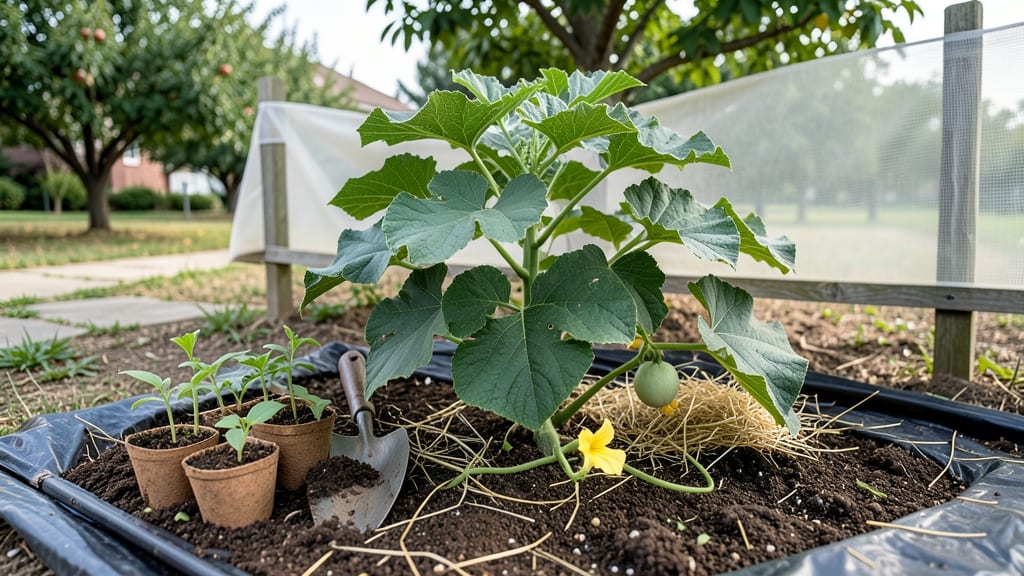
Planting pumpkins in Illinois at the right time can turn your garden into a 🎃-filled paradise—or leave you with wilted vines and empty expectations.
The key isn’t just waiting for spring; it’s knowing when your local frost dates shift from Chicago’s chilly Zone 5 to Southern Illinois’ milder Zone 6 conditions.
Most Illinois gardeners should start seeds indoors by early April or sow them directly after the last frost—typically mid-April to mid-June—but timing varies by county. Whether you’re in Cook County or Champaign, getting this right means the difference between a 90-day harvest of plump pumpkins and a season of disappointment.
I’ll break down exactly when to plant, which varieties thrive in Illinois’ climate, and how to adjust for late frosts or early heat. Ready to grow your best pumpkin patch yet? Let’s dive into the frost-free timeline that works for your backyard.
From soil temperature tips to transplanting tricks, you’ll learn how to maximize your growing season—whether you’re a first-time gardener or a veteran looking to boost your harvest size. No more guessing games, just proven strategies for Illinois’ unpredictable weather.
Illinois pumpkin planting dates by county: frost-free zones and ideal timing
Getting the timing right for pumpkin planting in Illinois depends entirely on your USDA Hardiness Zone and last frost dates. Northern Illinois (Zone 5) has later frost risks, while Southern Illinois (Zone 6) enjoys an extra 2-3 weeks of growing time.
For example, Cook County typically sees its last frost around April 15, while Madison County can plant as early as April 1 in most years.
Most Illinois gardeners should aim to plant pumpkin seeds 1 inch deep after soil temperatures hit 60°F—usually mid-April to mid-May in Northern regions and late March to early April in Southern Illinois.
Direct sowing is preferred, but you can start seeds indoors 4-6 weeks before your last frost date for a head start.
| Region | Last Frost Date | Ideal Planting Window | Notes |
|---|---|---|---|
| Northern IL (Zone 5) | Mid-April | Mid-April to May 15 | Use black plastic mulch to warm soil |
| Central IL (Zone 5-6) | Late April | Late March to early May | Best for early varieties like 'Jack Be Little' |
| Southern IL (Zone 6) | Early April | Late March to April 15 | Longer season allows for giant varieties |
| Cook County | April 15 | April 20 to May 10 | Urban gardeners: use containers for limited space |
| Champaign County | April 10 | Late March to April 25 | Heavy clay soil? Amend with compost |
| DuPage County | April 20 | May 1 to May 15 | Watch for late frosts in May |
In Northern Illinois (like Cook and DuPage counties), I recommend waiting until after April 15 to plant, as late frosts can still occur.
For Central Illinois (Champaign, Ford), you can start as early as late March if your soil is workable, but be prepared to cover young plants if frost threatens. Southern Illinois gardeners in Madison or St. Clair counties have the advantage of planting 2-3 weeks earlier than their Northern counterparts.
For urban gardeners in Chicago, container growing is a great option. Use 5-gallon buckets with drainage holes and plant 1-2 seeds per container. Place containers in full sun and keep soil consistently moist.
Varieties like 'Small Sugar' or 'Baby Bear' thrive in containers and mature in 75-80 days, making them perfect for shorter seasons.
If you miss the ideal window, don't panic! You can still plant late varieties in early June for a fall harvest. Just choose faster-maturing varieties like 'Autumn Gold' (80 days) or 'Cinderella' (85 days) that can still produce pumpkins before the first frost in October.
The trade-off is smaller fruits, but you'll still get a harvest.
One pro tip: Use a soil thermometer to confirm your soil is at least 60°F before planting. Cold soil delays germination and can stunt early growth.
If your soil is too cold, try using black plastic mulch to warm it up faster—this works especially well in Northern Illinois where soil warms more slowly.
Remember that pumpkins need 90-120 days to mature, so calculate backward from your first frost date (typically mid-October in Illinois). For example, if your first frost is October 15, you should aim to plant by July 15 for late varieties. This gives you a 90-day growing window before frost arrives.
Finally, don't forget that companion planting can help extend your season. Planting pumpkins near bush beans or corn provides shade for young plants and improves soil fertility. Avoid planting near potatoes or squash, as they compete for nutrients and attract similar pests.
With these county-specific planting dates and tips, you'll be well on your way to growing bountiful pumpkins no matter where you garden in Illinois. Happy planting! 🎃
How to adjust pumpkin planting for Illinois weather: heat, rain, and soil tips
Illinois’ unpredictable spring rains and variable frost dates can throw off even the most experienced gardener. Pumpkins need consistent warmth and well-draining soil, but too much moisture or late frosts can stunt growth.
The key is adapting your planting strategy to your specific microclimate—whether you're in Chicago’s Zone 5 or Southern Illinois’ Zone 6.
I’ve learned that black plastic mulch can add 5-10°F to soil temperature, giving pumpkins a head start in cooler areas. Meanwhile, companion planting with nasturtiums or marigolds deters pests like squash bugs, which thrive in Illinois’ humid summers.
Let’s break down how to make these adjustments for your pumpkin patch.
🌱 Illinois Pumpkin Planting Timeline
Start seeds indoors: Early April (6-8 weeks before last frost)
Transplant seedlings: Late April to early May (after soil reaches 60°F)
Direct sow outdoors: Mid-May to early June (after last frost)
Harvest window: Late September to early October (before first frost)
Pro Tip: Use a soil thermometer—pumpkin seeds won’t germinate below 60°F.
Illinois’ heavy spring rains can drown pumpkin seeds before they sprout. To combat this, I always raise seed beds or use containers with drainage holes. If you’re planting in clay-heavy soil, mix in compost or sand to improve drainage.
Pumpkins also love rich, slightly acidic soil (pH 6.0-6.8), so a balanced fertilizer like 10-10-10 at planting time works wonders.
For extended growing seasons, try row covers in early spring or cold frames for late varieties. I’ve had success with ‘Howden’ pumpkins, which tolerate cooler temps better than most varieties.
If you’re in Northern Illinois, start with fast-maturing varieties (75-90 days) to avoid early frosts. In Southern Illinois, you can push the season with late-summer plantings for a fall harvest.
Don’t forget companion planting—pumpkins pair well with corn, beans, or radishes, which improve soil health. Avoid planting near potatoes or melons, as they compete for nutrients.
If pests like squash vine borers become an issue, wrap stems with aluminum foil or use neem oil sprays as a natural deterrent.
With these adjustments, you’ll turn Illinois’ challenging weather into an advantage. Whether you’re battling late frosts or summer downpours, these tips will help your pumpkins thrive—no matter where you garden in the state.