
Companion Plants
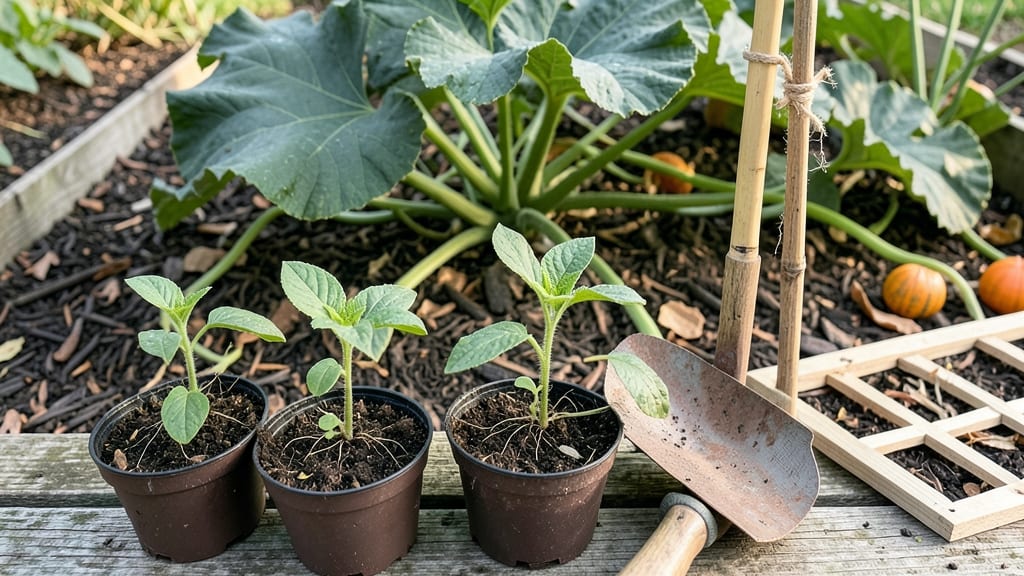
Planting pumpkins in Oregon isn’t a one-size-fits-all task—your timing depends on whether you’re in Portland’s lush 8a zone or Bend’s cooler 6b climate. Get the window wrong, and your 🎃 could bolt before harvest, or worse, rot in soggy soil.
But nail it, and you’ll enjoy a summer of sprawling vines and fall feasts of homegrown pumpkins.
The key is waiting for the last frost—mid-April on the coast and early May inland—when soil warms to at least 60°F. Coastal areas like Portland get a longer growing season, while inland zones like Bend need faster-maturing varieties to beat early frosts.
Think of it as a race against time: your pumpkins need 90–120 days to ripen, and Oregon’s short summers demand smart planning.
Here’s the game-changer: soil temperature and microclimates. Even within Oregon, a valley’s warmth can differ from a hillside’s chill. We’ll break down exactly when to plant in your region, from the Willamette Valley to the High Desert, so you can avoid common pitfalls like frost damage or overcrowded vines.
Ready to turn your garden into a pumpkin patch?
You’ll also discover the best varieties for Oregon’s climate—whether you’re after Halloween jack-o’-lanterns or Thanksgiving pie pumpkins—and how to prep your soil for maximum growth. Let’s get those seeds in the ground at the perfect moment.
Oregon pumpkin planting calendar by region (with frost dates)
Oregon’s microclimates create a puzzle for pumpkin growers. The Willamette Valley enjoys longer frost-free seasons, while eastern Oregon’s high desert faces earlier freezes. To succeed, you must align your planting timeline with your region’s last spring frost and first fall frost dates.
Get this wrong, and your 90-day pumpkins won’t mature before winter sets in.
Most pumpkin varieties need 120-150 frost-free days to reach harvest. That means starting seeds at the right time is critical—especially in Oregon’s USDA zones 6b-9a.
Below, I’ve broken down the ideal planting windows for Oregon’s five key regions, including when to direct sow seeds versus transplanting young plants for maximum success.
Pro Tip: Always check your local Almanac frost dates (like the Old Farmer’s Almanac) for your exact town, as microclimates can shift planting windows by 1-2 weeks. For example, Astoria’s coast might be safe to plant by mid-April, while Bend’s high desert waits until late May.
If you’re growing pie pumpkins (like ‘Sugar Pie’) or miniature varieties (like ‘Jack Be Little’), you can push your planting window slightly later—these mature in 75-90 days. But for giant pumpkins or jack-o’-lanterns, aim for the earliest possible dates in your region to maximize growth time.
For transplanting, start your seeds indoors 4-6 weeks before your region’s last frost date. Use biodegradable pots to avoid root disturbance when moving them outdoors. Harden off seedlings by placing them outside for 2-3 hours daily for a week before transplanting.
This acclimation process helps prevent shock in Oregon’s variable spring weather.
Soil temperature is just as critical as air temperature. Pumpkin seeds won’t germinate well until the soil reaches 60°F (15°C). In cooler regions like the high desert, use black plastic mulch to warm the soil faster.
You can also plant near southern-facing walls or greenhouses to create a microclimate with warmer soil.
Once planted, give your pumpkins full sun (6+ hours daily) and well-draining soil. Space vines 4-5 feet apart to allow room for 10-20 foot runners. If you’re short on space, choose bush varieties like ‘Small Sugar’, which stay more compact.
Mulch around plants to retain moisture and suppress weeds—critical in Oregon’s dry summers.
Watch for squash vine borers, a common pest in Oregon. These insects lay eggs at the base of vines, and their larvae can kill plants. Use row covers early in the season or apply neem oil as a preventive measure.
If you notice yellowing leaves or wilting vines, check for borers and treat immediately.
With the right timing and care, you’ll have homegrown pumpkins ready for
How to adjust pumpkin planting time for early or late harvests
Oregon’s cool coastal climates and high desert chill can throw off pumpkin planting schedules. If you want Thanksgiving-sized gourds or Halloween-ready jack-o’-lanterns, timing is everything. The key is adjusting for your local frost dates and using season-extending tricks to protect tender seedlings.
For coastal Oregon (like Portland), where frosts linger until April 15, I start seeds indoors in mid-March and transplant after the last frost. In inland areas (like Bend), I wait until May 1 to plant directly in the ground—any earlier, and a late frost will kill young vines.
- 1. Choose fast-maturing varieties: Opt for 75-90 day varieties like 'Jack Be Little' (75 days) or 'Small Sugar' (85 days) for cooler zones. These mature before first fall frosts in most of Oregon.
- 2. Use row covers: Protect seedlings with floating row covers until soil warms to 60°F. Remove covers after vines establish to prevent overheating.
- 3. Plant earlier with cold frames: Place seeds in cold frames by March 1 in coastal areas. The frame traps heat, allowing seeds to germinate 2-3 weeks earlier than outdoor planting.
- 4. Adjust for Thanksgiving pumpkins: For late-October harvests, start seeds indoors by April 1 and transplant by May 15. Use black plastic mulch to warm soil faster.
- 5. Succession plant for Halloween: Sow a second batch of fast-maturing seeds by June 1 to harvest by early October. Choose compact varieties like 'Autumn Gold' (80 days).
If you’re aiming for Halloween decorations, I recommend planting smaller varieties in early June. These give you a 90-day harvest window before the first frost. For Thanksgiving pumpkins, start seeds indoors in early April and transplant by mid-May to ensure a late-October harvest.
In high-desert areas (like La Pine), where nights get chilly, I use black plastic mulch to raise soil temperatures. This lets me plant 2 weeks earlier than the standard schedule. Pair it with drip irrigation to keep roots warm and moist.
Pro tip: Monitor your local frost dates using the Oregon State University Extension frost maps. Adjust your planting by 1-2 weeks based on whether you’re in a coastal, valley, or desert zone.
With the right tweaks, you can enjoy pumpkins from late summer to Thanksgiving—no matter where you garden in Oregon.