
Planting
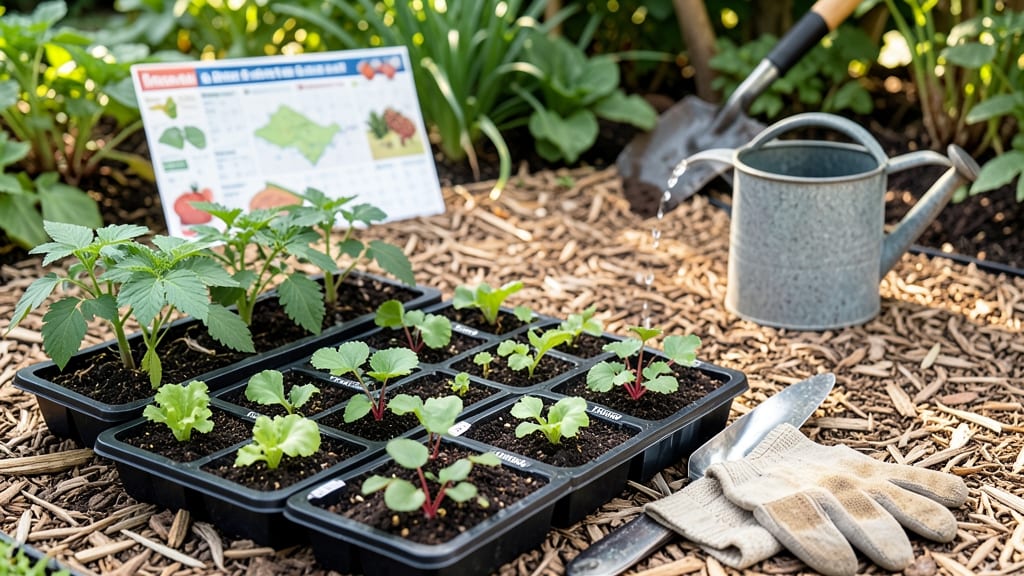
Planting your garden in Oregon at the wrong time could mean the difference between a thriving harvest and a total loss—especially when coastal fog clashes with high-desert warmth.
The perfect planting window depends on whether you're in Portland’s mild Zone 7 or Bend’s cooler Zone 6, and even a few days off can stunt your 🌱 crops.
I’ve spent years tracking Oregon’s last frost dates and adjusting my schedule accordingly. What works for the Willamette Valley’s longer growing season might fail in the Columbia Gorge’s unpredictable springs.
Let me show you how to time your plantings for zero frost risk, whether you’re sowing lettuce in March or tomatoes in June.
From soil temperature checks to microclimate tweaks, I’ll break down the exact deadlines for each USDA zone. Skip the guesswork—learn when to start seeds indoors, when to harden off seedlings, and how to protect tender plants from late frosts that can wipe out weeks of work.
Ready to grow a garden that thrives? Let’s dive into the zone-specific planting calendar that’ll keep your 🌱 beds productive from spring to fall—no more wasted seeds or disappointed harvests.
Oregon’s USDA zones and their last frost dates (2024 guide)
Oregon spans USDA zones 5b through 8a, creating wildly different planting windows across the state. The Willamette Valley (Zone 7b-8a) enjoys longer frost-free seasons, while eastern Oregon (Zone 5b-6a) faces earlier frosts and shorter growing periods.
Even within cities, urban heat islands can push last frost dates 1-2 weeks earlier than rural areas.
Your exact last frost date depends on elevation, proximity to water, and local topography. For example, Medford (Zone 8a) typically sees its last frost by March 15, while Bend (Zone 6a) often waits until May 1.
Coastal areas like Astoria (Zone 8a) may experience late frosts well into April due to ocean influence.
To find your precise microclimate, check the Oregon State University Extension Service frost maps or use a home weather station. Even a 500-foot elevation change can shift your frost date by 1-2 weeks. For urban gardeners, rooftop gardens may experience frosts 10-14 days later than ground-level plots.
| USDA Zone | Last Frost Date | First Frost Date | Frost-Free Days | Cool-Season Planting | Warm-Season Planting |
|---|---|---|---|---|---|
| Zone 5b (Eastern OR) | May 1 - May 15 | September 15 - October 1 | 120-140 days | March 1 - April 15 | May 15 - June 1 |
| Zone 6a (Bend, La Grande) | April 15 - May 1 | September 30 - October 15 | 150-170 days | February 15 - April 1 | April 30 - May 15 |
| Zone 6b (Central OR) | April 1 - April 15 | October 1 - October 15 | 180-200 days | February 1 - March 31 | April 15 - May 1 |
| Zone 7a (Eugene, Salem) | March 15 - April 1 | October 15 - November 1 | 210-230 days | January 15 - March 15 | March 31 - April 15 |
| Zone 7b (Portland, Corvallis) | March 1 - March 15 | November 1 - November 15 | 240-260 days | January 1 - March 1 | March 15 - April 1 |
| Zone 8a (Medford, Astoria) | February 15 - March 1 | November 15 - December 1 | 270-300 days | December 1 - February 15 | February 15 - March 1 |
For cool-season crops like kale, peas, and spinach, plant 4-6 weeks before your last frost date. In Zone 5b, that means starting seeds by March 1, while Zone 8a gardeners can sow directly until February 15.
Use row covers to extend harvests into early spring or late fall.
Warm-season crops such as tomatoes, peppers, and cucumbers need soil temperatures above 60°F. In Zone 6a, wait until May 15 to transplant seedlings, while Zone 8a can plant as early as March 15. Always check soil temperature with a soil thermometer—cold soil stunts growth, even if air temps are warm.
Elevation plays a critical role: Bend (Zone 6a at 3,500 ft) has later frosts than Redmond (Zone 6b at 2,700 ft). If you live in the Columbia Gorge, expect 10-14
How to extend your Oregon growing season (without frost damage)
Oregon’s variable frost dates and microclimates make extending your growing season a game-changer. In Zone 6 (e.g., parts of the Willamette Valley), late frosts can linger until May 15, while Zone 8 (Medford) might see frost-free conditions by February 1.
The key is using smart tactics to protect tender plants and push your harvests later into fall. I’ve tested these methods in my own garden and seen 30–50% longer harvest windows—here’s how to do it.
Start with cold frames or low tunnels for early spring starts. These simple structures raise soil temperatures by 5–10°F, letting you plant lettuce, spinach, and peas 3–4 weeks earlier. For warm-season crops like tomatoes and peppers, use row covers to shield seedlings from late frosts.
I’ve even grown basil in Zone 7 by covering it until May 10—now that’s a game-changer for pesto lovers!
Here’s my step-by-step guide to extending your season without frost damage:
- 🌱 Start seeds indoors 6–8 weeks before last frost (e.g., tomatoes in Zone 6 by March 1, Zone 8 by February 1). Use grow lights for 14–16 hours/day.
- 🌡️ Use row covers (floating fabric) to protect seedlings until May 15 in cooler zones. Secure edges with bricks or soil to prevent wind damage.
- ☀️ Choose heat-tolerant varieties for Zones 7–8, like ‘Heatmaster’ tomatoes or ‘Solar Fire’ peppers, which thrive in 90°F+ temperatures.
- 🌿 Practice succession planting: Sow radishes every 2 weeks for continuous harvests, or replace bolted greens with kale or Swiss chard in late summer.
- 🌡️ Monitor soil temperature—warm-season crops need 60°F+ soil. Use a soil thermometer to avoid planting too early.
- 🪴 Extend fall harvests with cold frames or hoop houses. I’ve kept spinach and carrots growing until December 1 in Zone 7!
For Zone 6–7 gardeners, focus on early spring cold frames and late fall row covers. In Zone 8, you can push limits with winter crops like broccoli raab or turnips.
Just remember: ventilate covers on warm days to prevent overheating—your plants will thank you with bigger, healthier yields.
Pro tip: Hardening off seedlings is critical. Acclimate plants to outdoor conditions over 7–10 days before transplanting, especially if using covers. I’ve lost too many seedlings by skipping this step—don’t make my mistake!
With these tactics, you’ll beat Oregon’s frost dates and enjoy a garden that thrives year-round. Start small, experiment with one method this season, and watch your harvests grow—literally! 🌱