
Plants
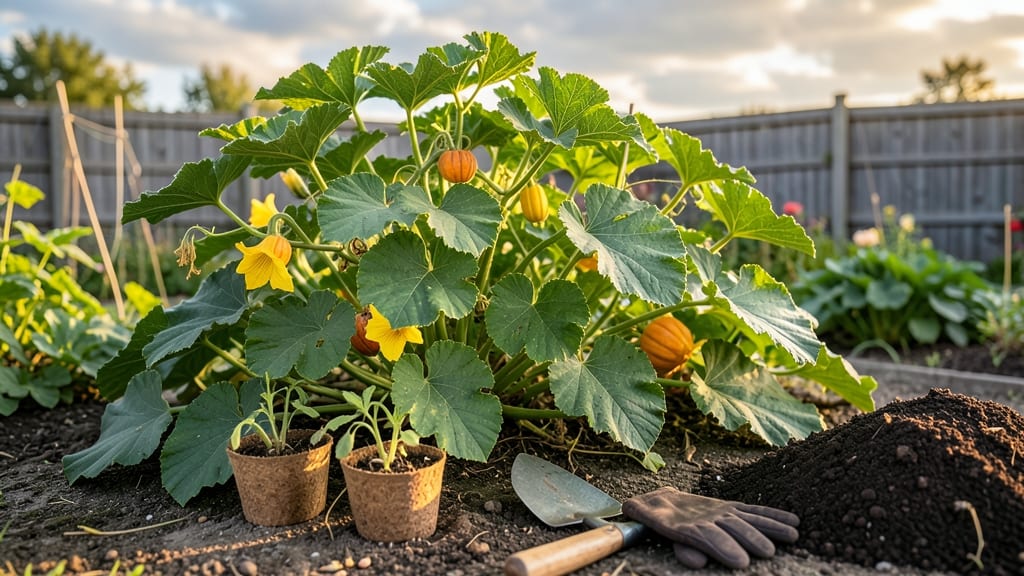
Planting pumpkins in South Carolina at the wrong time can mean the difference between a bumper harvest and wasted effort. The key to success lies in understanding your local frost dates and soil temperatures—because even in zones 7b-8a, timing matters more than you might think.
Most gardeners here know the magic window for pumpkins is late March to early April, once the soil warms to at least 70°F. But there's a trick for fall harvests too: mid-July plantings give you a second chance at those iconic 🎃 ornaments before winter sets in.
The challenge? Avoiding those pesky early frosts that can sneak in by November.
Whether you're starting with seeds or transplants, I'll walk you through the exact steps to time your planting perfectly. We'll cover soil prep, spacing, and even which pumpkin varieties thrive best in South Carolina's heat and humidity. No more guessing—just proven techniques for a garden full of pumpkins.
Ready to grow pumpkins that outshine your neighbors'? Let's dive into the planting schedule that actually works for our climate, so you can enjoy homegrown pumpkins from late September through November—or even later with the right varieties. Your future jack-o'-lanterns will thank you.
South Carolina pumpkin planting dates based on last frost & growing zones
South Carolina's USDA zones 7b-8a give us a long growing season, but pumpkins still need precise timing to thrive. The average last frost date falls around March 15, but soil temperatures must reach 70°F before planting. This warm-weather crop can't tolerate cold soil, so rushing can stunt your vines.
Most gardeners aim for late March to early April plantings, but there's a trick for fall harvests too. Mid-July plantings create a second crop that matures just in time for Halloween. The key is understanding your frost-free days—typically 210 days in SC—which determines your harvest window.
Let's break down the perfect planting schedule using your growing zone and frost dates.
| Planting Window | USDA Zone | Soil Temp Requirement | Days to Harvest | Harvest Window |
|---|---|---|---|---|
| Late March - Early April | 7b-8a | 70°F+ | 90-120 days | Late September - November |
| Mid-July | 7b-8a | 70°F+ | 90-110 days | October - Early November |
| Early August (for winter varieties) | 7b-8a | 70°F+ | 110-120 days | December (if protected) |
🌱 Note: Always check your local frost dates—they can vary by 1-2 weeks across SC.
For zone 7b gardeners, focus on late March plantings—this gives you the longest growing season before the first frost around November 15. In zone 8a, you can push it slightly later into early April while still ensuring 90+ frost-free days for maturity.
Here's my pro tip: Use a soil thermometer to confirm temperatures before planting. Pumpkin seeds need 70°F soil to germinate properly—cold soil will leave you waiting weeks for sprouts. I've seen gardeners waste entire seasons by planting too early when the soil was still chilly.
If you're using transplants instead of seeds, wait until mid-April when nighttime temperatures stay above 55°F. Transplants give you a head start but require more care to establish strong roots in our humid climate. I recommend hardening off transplants for 7-10 days before setting them out.
Don't forget about heat tolerance—some varieties handle our 90°F+ summer days better than others. Later plantings in July need varieties that can withstand high temperatures without bolting.
We'll cover the best heat-tolerant varieties in the next section, but for now, focus on timing your plantings to avoid both early frosts and late-season heat stress.
For maximum success, I recommend planting 2-3 weeks before your last frost date and again in mid-July for a fall harvest. This staggered approach gives you insurance against weather surprises and extends your pumpkin season from September through November.
The key is balancing planting dates with variety maturity times—more on that in our next section.
Remember: South Carolina's humidity can create perfect conditions for powdery mildew if you plant too early. Wait for that 70°F soil mark to give your pumpkins the best possible start. Your future jack-o'-lanterns will be thanking you come October! 🎃
Best pumpkin varieties for South Carolina & their specific planting times
Choosing the right pumpkin variety for South Carolina isn't just about size or color—it's about matching your planting window with a variety that thrives in our humid summers and warm fall weather.
Some varieties bolt in the heat, while others struggle with our 90°F+ days. The key is selecting heat-tolerant types for early plantings and disease-resistant ones for late-season harvests.
For spring plantings (March-April), I recommend Cinderella or Jack Be Little—both mature in 90-100 days and handle our spring rains beautifully. These bush varieties also work well for container gardening if space is limited.
Meanwhile, Howden and New England Pie are my top picks for mid-July plantings because they tolerate heat better and produce disease-resistant fruits.
| Variety | Best Planting Time | Days to Maturity | Heat Tolerance | Planting Method |
|---|---|---|---|---|
| Cinderella | Late March - Early April | 90-100 days | Moderate | Direct seed or transplant |
| Jack Be Little | Late March - Early April | 85-95 days | Good | Direct seed only |
| Howden | Mid-July | 100-110 days | High | Direct seed |
| New England Pie | Early August | 105-115 days | Very High | Direct seed |
| Sugar Pie | Late March or Mid-July | 90-100 days | Moderate | Direct seed |
🌱 Note: All varieties need 70°F+ soil to germinate properly.
If you're planting in late March, stick to Cinderella or Jack Be Little—these bush varieties mature quickly and resist our spring diseases. For mid-July plantings, Howden and New England Pie are my go-tos because they handle our summer heat without bolting.
I've grown Howden for years in my Charleston garden, and it consistently produces 10-12 lb pumpkins even in 95°F+ temperatures.
For transplants, I recommend starting with Cinderella or Sugar Pie—both establish quickly and give you a head start. However, be cautious with transplants in our humid climate. They need 7-10 days of hardening off and should be planted when nighttime temps stay above 55°F.
I've lost multiple transplant batches by rushing them into cool spring nights, so don't make my mistake!
Pro tip: If you're aiming for Halloween decorations, plant Sugar Pie in mid-July—it matures in 90 days and produces small, uniform pumpkins perfect for carving. For pie pumpkins, New England Pie planted in early August gives you sweet, dense flesh by late October.
The key is matching your harvest goal with the right variety and planting time.
Remember: South Carolina's humidity can create perfect conditions for powdery mildew, especially on late-season plantings. Choose disease-resistant varieties like Howden or New England Pie for your July-August plantings.
And always space your vines 4-6 feet apart to improve air circulation—this simple step can mean the difference between a healthy harvest and a lost crop.
Your pumpkin patch success starts with the right variety and timing. Plant Cinderella in spring for early harvests, Howden in summer for heat tolerance, and New England Pie in early August for late-season sweet pumpkins.
With these varieties and proper timing, you'll have pumpkins from late September through November—just in time for carving, baking, and decorating! 🎃