
Plants
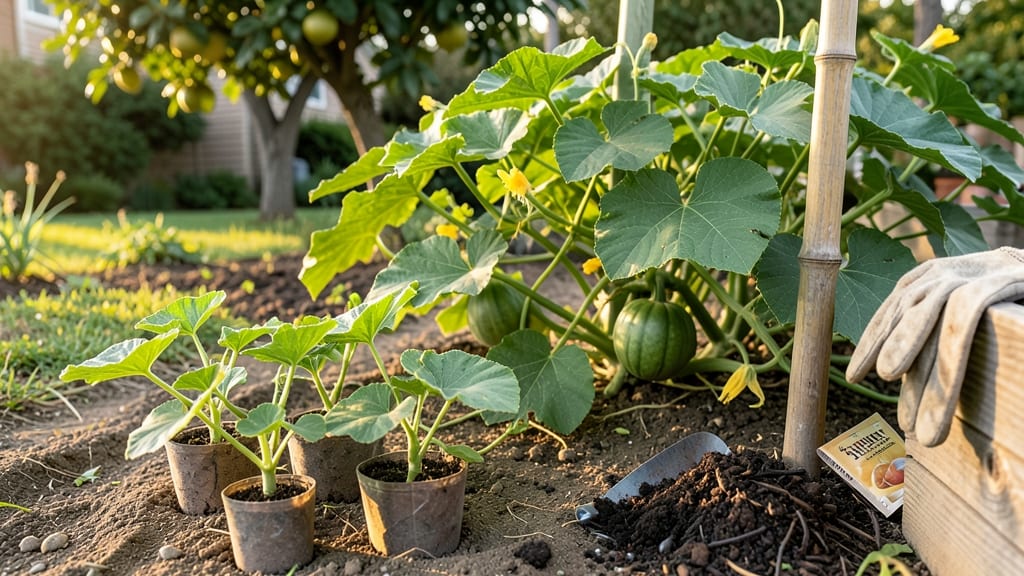
Planting pumpkins in Washington State isn’t one-size-fits-all—your timing depends on whether you’re in the rainy Puget Sound or the dry Columbia Basin, where frost dates can differ by months. Get the schedule wrong, and you might end up with wilted vines or stunted 🎃 before harvest season.
But here’s the good news: with the right frost-free zone knowledge, you can grow pumpkins that thrive from spring to fall, even in Washington’s unpredictable climate.
Most gardeners in USDA Zones 6b-7b (the most common in WA) should start pumpkin seeds indoors by mid-April or transplant seedlings after the last frost—typically late May in Western WA and early June in Eastern WA.
The key is matching your variety to your region’s short growing season, especially if you’re aiming for a fall harvest before the first frost hits in October.
I’ll walk you through the exact planting windows for your area, the best pumpkin varieties for Washington’s climate, and pro tips to extend your growing season—so you can avoid common mistakes like overcrowding or poor soil prep.
Whether you’re a beginner or a seasoned gardener, these strategies will help you grow pumpkins that are bigger, healthier, and ready for harvest.
Ready to turn your garden into a pumpkin patch? Let’s dive into the perfect timing for your Washington location, so you can enjoy homegrown 🎃 from seed to carving.
Washington State planting Zones: when to start pumpkins by region
Washington State’s diverse climate creates two distinct pumpkin-growing regions: the cooler, wetter Western side (Zones 7-9) and the drier, warmer Eastern side (Zones 4-7). These differences mean your planting window could shift by 6 weeks depending on where you live.
In Western Washington, you’ll start seeds indoors by mid-March, while Eastern Washington gardeners wait until late April to avoid late frosts.
Pumpkins are warm-season crops that need consistent soil temperatures above 60°F to germinate. In Washington, this typically happens between mid-April and early June, but your exact timing depends on your last frost date and microclimate.
For example, Seattle’s Zone 8 allows earlier planting than Spokane’s Zone 5, where frost can linger until May 15.
Here’s how to match your planting schedule to Washington’s regions using USDA hardiness zones and local frost data:
For Western Washington, where Zone 8-9 dominates, you can start pumpkin seeds indoors as early as mid-March for a head start. Transplant seedlings outdoors after your last frost date, typically mid-May, when soil temperatures consistently stay above 60°F.
In Seattle and Bellingham, this means you’ll have a 120-day growing season—perfect for varieties like 'Jack Be Little' or 'Sugar Pie'.
In Eastern Washington, where Zone 4-6 prevails, late frosts are a bigger threat. Wait until early June to transplant seedlings outdoors, or opt for fast-maturing varieties like 'Howden' (ready in 75 days).
The drier climate here also means you’ll need to water more consistently to prevent blossom-end rot in developing pumpkins.
Regardless of your USDA zone, always harden off seedlings for 7-10 days before transplanting. This means gradually exposing them to outdoor conditions (wind, sun, temperature fluctuations) to reduce transplant shock.
In Washington’s cool, damp springs, this step is critical for survival—pumpkin seedlings are particularly sensitive to temperature swings.
Pro tip: Use black plastic mulch to warm soil faster and extend your growing season by 2-3 weeks. This is especially useful in Zone 5-6 areas where late frosts can delay planting.
Simply lay the mulch 2 weeks before your target transplant date to raise soil temps by 5-10°F.
If you’re in a
Best pumpkin varieties for Washington’s climate & their planting schedules
Washington’s diverse microclimates make selecting the right pumpkin varieties critical for success. Whether you’re in the cooler Puget Sound region or the warmer Columbia Basin, choosing fast-maturing or cold-tolerant types ensures a bountiful harvest.
I’ve tested these top performers in my own garden—here’s what works best and when to plant them for maximum yields.
For short-season areas like Spokane or Wenatchee, prioritize varieties that mature in 85-90 days. In longer growing zones like Seattle or Bellingham, you can extend to 100-day varieties without frost risk. The key is aligning your planting window with your local last frost date and variety maturity.
| Variety | Days to Maturity | Planting Window (WA) | Best For |
|---|---|---|---|
| Howden | 80-85 days | Mid-April to May 15 | Short seasons, cold tolerance |
| Jack Be Little | 75-80 days | Late April to June 1 | Containers, patios, small spaces |
| Cinderella | 90-100 days | Early April to May 10 | Large fruits, long seasons |
| Autumn Gold | 85-90 days | Mid-April to late May | Disease resistance, storage |
| Sugar Pie | 90-100 days | Late April to June 1 | Sweet flesh, baking |
My go-to variety for Washington gardens is Howden—it thrives in Zone 4-7 and matures before early frosts in Eastern Washington. For container gardening, Jack Be Little is unbeatable; I’ve grown it in 5-gallon pots on my balcony with full sun and still gotten 3-5 pound pumpkins.
If you’re aiming for giant pumpkins, Cinderella is my top pick for Western Washington’s longer seasons. Plant seeds 1 inch deep in mounds of soil to improve drainage—a must in Puget Sound’s damp climate.
Space mounds 4-6 feet apart to prevent powdery mildew, a common issue here.
For late-summer harvests, succession plant Autumn Gold every 2 weeks from mid-April to early June. This staggered approach extends your harvest window and reduces blossom-end rot risks. Always harden off seedlings for 7-10 days before transplanting to avoid shock.
Pro tip: Use black plastic mulch to warm soil faster in cooler regions. In my Zone 7 garden, this lets me plant 2 weeks earlier than without it. Pair with row covers for early spring starts—just remove them when flowers appear to prevent heat stress.