
Plants
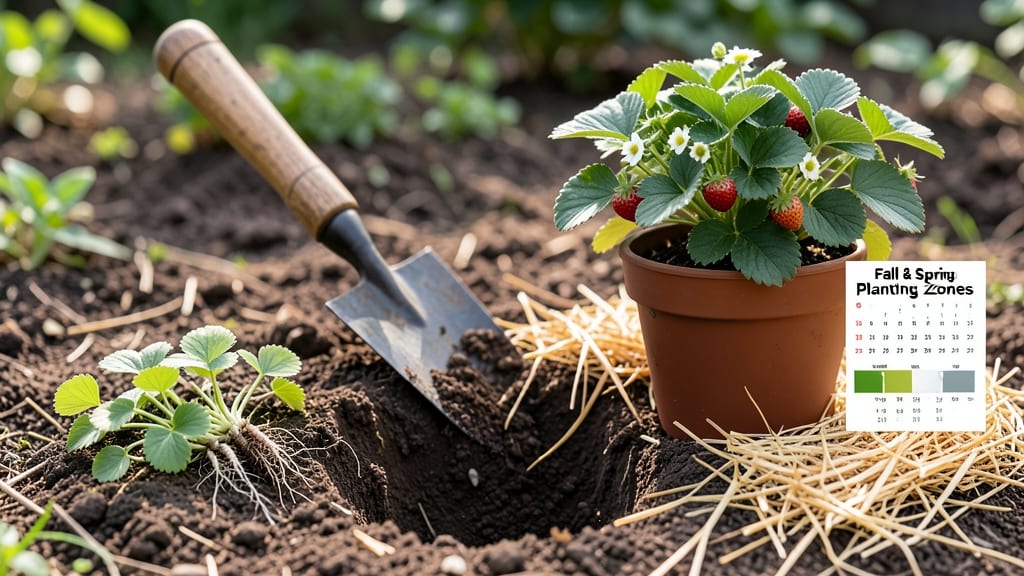
Planting strawberries in California isn’t just about timing—it’s about mastering the art of working with your local microclimate. Whether you’re in frost-free coastal zones or hot inland valleys, getting the planting window right can mean the difference between a bountiful harvest and struggling plants.
With year-round growing potential in many regions, knowing when to plant ensures your 🍓 thrive from fall through spring.
Most California gardeners plant strawberries in fall or winter, but the exact timing depends on where you live. Coastal areas like San Diego (Zone 10) can plant almost anytime, while inland regions (Zones 7-9) need to avoid late-summer heat stress.
I’ll break down the best months for your specific zone so you can align your planting with ideal soil temps and frost risks.
You don’t have to choose between bare-root plants, potted varieties, or seeds—each has advantages depending on your climate. For example, everbearing types like Seascape handle California’s mild winters better than June-bearing varieties. I’ll share which plants work best for your region and how to prep your soil for maximum success.
Even urban gardeners with limited space can grow strawberries in containers, and I’ll cover those tips too. Whether you’re a seasoned gardener or just starting, this guide will help you plant at the perfect time for lush, productive strawberry plants that reward you with fruit all year.
California strawberry planting calendar by microclimate Zone
California’s diverse microclimates create unique challenges for strawberry growers. While coastal areas like San Francisco (USDA Zone 9-10) enjoy frost-free winters, inland valleys like Fresno (Zone 7-8) face harsh freezes.
Timing your strawberry planting correctly ensures healthy plants and abundant harvests. The key is understanding your last frost date and soil temperatures—strawberries thrive when soil stays above 45°F (7°C).
Most California gardeners plant strawberries in fall or winter to avoid summer heat stress. However, coastal gardeners can plant year-round thanks to mild temperatures. For inland zones, September to November is ideal for bare-root plants, while January to March works for potted varieties.
Let’s break down the best planting windows by region to maximize your strawberry yield.
⚠️ Critical Note: Strawberries planted too early in warm zones may bolt (send up flower stalks) before establishing roots. Conversely, late plantings in cold zones risk frost damage. Always check your local USDA Zone and microclimate—a valley might be Zone 7 while a nearby hillside is Zone 9.
For coastal California (Zones 9-10), like Santa Barbara or San Diego, strawberries can be planted almost year-round. The mild winters allow for fall and winter harvests, while summer plantings thrive with afternoon shade.
Use everbearing varieties like Seascape or Albion to extend your harvest window. Just ensure your containers have drainage holes to prevent root rot from winter rains.
Inland Central Valley gardeners (Zones 7-8) should focus on fall planting for a spring harvest. Soil temperatures drop below 45°F (7°C) in winter, so avoid planting before September.
If you live in Fresno or Bakersfield, consider row covers in late winter to protect young plants from unexpected frosts. June-bearing varieties like Chandler perform best in these zones.
Desert regions like Palm Springs (Zone 8-9) face a different challenge: intense summer heat. Plant strawberries in late summer or winter to avoid temperatures above 85°F (29°C), which causes flower drop.
Use shade cloth (30-50%) during peak heat and water deeply in the early morning to reduce stress. Day-neutral varieties like Seascape are ideal for desert gardens.
If you’re in the Sierra Foothills (Zones 6-7), like Napa
Best strawberry varieties for California’s planting seasons
Choosing the right strawberry variety for California’s climate is key to avoiding heat stress and maximizing year-round harvests. The Chandler variety thrives in cooler coastal zones, while Seascape handles inland heat better. Your planting window determines whether you need June-bearing (one big harvest) or everbearing (multiple harvests) types.
For fall planting in USDA zones 7-9, prioritize heat-tolerant varieties like Albion or San Andreas. These varieties produce well in warmer winters and spring heat waves. If you’re in coastal zones 9-10, everbearing types like Seascape or Oso Grande can yield fruit year-round.
Heat-Tolerant vs. Cool-Season Varieties
Heat-Tolerant Varieties
- Best for: Inland zones (7-9)
- Examples: Chandler, San Andreas, Seascape
- Pros: Thrives in 90°F+ temps, drought-resistant
- Cons: Slower growth in cooler coastal areas
Cool-Season Varieties
- Best for: Coastal zones (9-10)
- Examples: Albion, Oso Grande, Festival
- Pros: Everbearing, year-round harvests
- Cons: Struggles in extreme heat (>95°F)
💡 Pro Tip: Mix varieties for extended harvests—plant June-bearing in fall and everbearing in spring!
If you’re planting in late winter (February-March), opt for June-bearing varieties like Chandler, which deliver a heavy spring harvest but require removal after fruiting. For continuous production, everbearing Seascape or Albion are ideal—they fruit in fall, spring, and sometimes summer.
For urban gardeners or container growing, day-neutral varieties like Seascape excel—they produce fruit regardless of daylight hours. Just ensure pots have drainage holes and use well-draining soil to prevent root rot in California’s hot summers.
Always check local nurseries for region-specific recommendations. Some Central Valley growers swear by San Andreas for its disease resistance, while coastal gardeners prefer Albion for its sweetness and adaptability to foggy mornings.
Plan your planting schedule around variety traits: June-bearing for one big harvest, everbearing for smaller, frequent yields, and day-neutral for year-round flexibility. With the right choice, you’ll enjoy strawberries from fall to spring—or even all year in mild microclimates!