
Plants
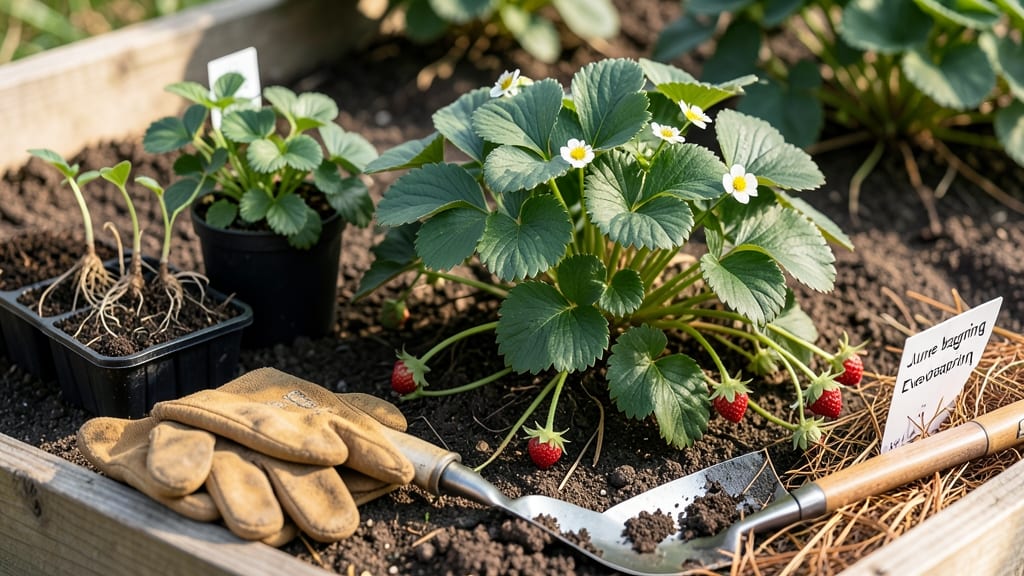
Planting strawberries in Ohio at the wrong time can turn your 🍓 dreams into a flop—especially when late frosts lurk around every corner. The key to thriving plants lies in understanding Ohio’s 6a zone and the two perfect windows: early spring or fall, each with its own secrets for success.
I’ve learned the hard way that rushing strawberries into the ground too early means weak roots and wasted effort. But timing isn’t just about dates—it’s about soil prep, variety choices, and even whether you’re growing in containers or raised beds.
Let’s break down exactly when to plant for maximum yields, no matter your Ohio location.
For spring plantings, the March–April window is your best bet after the last frost—typically around April 15. Everbearing varieties, though, get a second chance in August–September, letting you stretch your harvest into fall. The difference between these timings? Stronger roots, fewer pests, and berries that actually ripen.
Ready to avoid the common mistakes that leave Ohio gardeners scratching their heads? I’ll walk you through the exact steps—from soil tests to frost protection—to ensure your strawberries take off like a pro’s. Let’s get those plants in the ground the right way.
Ohio strawberry planting zones: exact dates for cold-hardy varieties
Ohio’s USDA zones 5-7 create unique challenges for strawberry growers, where late spring frosts can wipe out tender new growth if planted too early.
The key is planting 4-6 weeks before your last frost date—typically between March 15 and April 15 for most of the state—but everbearing varieties need a different approach. Let’s break down the exact windows for each zone to maximize your harvest.
For June-bearing strawberries (the most common type), Ohio gardeners should aim for early spring planting when soil temperatures reach 45°F (7°C). This timing ensures roots establish before flowering, preventing spring frost damage.
In zone 5, start as early as March 15, while zone 7 gardeners can wait until April 1 without risking frost injury.
Everbearing varieties, like ‘Albion’ or ‘Seascape’, are more flexible and can handle fall planting (August-September). These types produce fruit in both spring and fall, making them ideal for Ohio’s shorter growing season.
However, they still need 6-8 weeks of warm soil before winter to establish roots for next year’s harvest.
Ohio’s first frost dates vary dramatically—from October 15 in zone 5 to November 1 in zone 7. This means everbearing strawberries planted in late summer must have enough time to harden off before cold snaps.
In northern Ohio (zone 5), aim for August 15, while southern Ohio (zone 7) can extend planting until September 1.
| USDA Zone | Spring Planting Window | Fall Planting Window (Everbearing) | Last Frost Date | Best Varieties |
|---|---|---|---|---|
| Zone 5 | March 15 - April 1 | August 15 - September 1 | April 15 | ‘Jewel’, ‘Honeoye’, ‘Albion’ |
| Zone 6 | March 25 - April 10 | August 20 - September 10 | April 1 | ‘Chandler’, ‘Seascape’, ‘Ozark Beauty’ |
| Zone 7 | April 1 - April 15 | August 25 - September 15 | March 31 | ‘Fort Laramie’, ‘San Andreas’, ‘Tristar’ |
June-bearing strawberries planted in spring will reward you with a single massive harvest in June-July, while everbearing varieties planted in fall produce two smaller harvests—one in early summer and another in late summer/fall.
The trade-off? Everbearing types often have smaller berries but extend your harvest window by 2-3 months.
If you’re growing bare-root strawberries, soak the roots for 4-6 hours before planting to prevent transplant shock. For potted plants, harden them off by placing them outside during the day for 3-5 days before permanent planting.
Both methods work, but bare-root plants are cheaper and often hardier for Ohio’s climate.
One common mistake is planting too early when soil is still cold. Strawberries won’t thrive in below 50°F (10°C) soil, leading to slow root growth and fungal diseases.
Use a soil thermometer to confirm temperatures before planting—this is especially critical in northern Ohio (zone 5), where early springs are the norm.
For container gardening, Ohio gardeners can plant 2-3 weeks earlier than in-ground beds because containers warm up faster. Place pots in full sun and use black plastic mulch to accelerate soil warming.
This trick lets you push your spring planting window to mid-February in zone 7, giving you a 1-month head start on frost-sensitive varieties.
Remember: Ohio’s microclimates matter. Urban areas like Columbus or Cleveland may experience 2-3 weeks later frost dates than rural farms, so check local weather records or use a frost calendar from your county extension office.
When in doubt, plant on the later side—strawberries will survive light frost but won’t recover from deep-freezing roots.
With the right timing, your Ohio strawberry patch can yield pounds of berries per plant—but only if you respect the 4-6 week rule before last frost. Whether you choose June-bearing for a single big harvest or everbearing for extended production, Ohio’s climate rewards precise planning over guesswork. 🍓
How to prepare strawberry plants for Ohio’s unpredictable spring weather
Ohio’s spring weather is famously unpredictable—one day can bring 50°F warmth, while the next delivers a 28°F frost. To protect your strawberry plants, start by hardening off nursery-grown plants 7–10 days before transplanting.
Place them in a shaded outdoor spot during the day and bring them inside at night. This gradual exposure mimics Ohio’s fluctuating temperatures and prevents shock.
Your soil’s pH level (ideally 5.8–6.5) and organic matter content are critical for strawberry success. Test your soil using a home kit or send a sample to your local Ohio State University Extension.
Amend heavy clay soils with compost or peat moss to improve drainage, while sandy soils benefit from well-rotted manure to retain moisture.
Ohio’s late frosts (often hitting mid-April) can devastate young strawberry plants. To safeguard your investment, choose cold-hardy varieties like Jewel or Honeoye, which tolerate brief chills.
For extra protection, use frost cloth or row covers on nights when temperatures dip below 32°F. Remove covers by 10 AM to prevent overheating during the day.
Container Planting
- Pros: Easier to move indoors during frost warnings
- Pros: Warms up faster in spring
- Cons: Requires frequent watering (dries out faster)
- Cons: Limited root space for large plants
In-Ground Planting
- Pros: Better root establishment and yield
- Pros: More stable soil temperatures
- Cons: Harder to protect from late frosts
- Cons: Soil may stay too cold in early spring
If you’re planting in containers, use pots at least 10 inches deep with drainage holes. Fill them with a mix of 50% potting soil and 50% compost to mimic Ohio’s fertile garden beds.
Place containers in a south-facing location to maximize warmth, and bury them halfway in the ground for added insulation. This hybrid approach gives you the flexibility to move plants if a frost warning arises.
Mulching is another Ohio-specific hack for strawberry care. Apply a 2–3 inch layer of straw mulch around plants after transplanting to regulate soil temperature and suppress weeds. In early spring, mulch keeps roots from freezing during unpredictable nighttime drops, while in summer, it retains moisture during dry spells.
Avoid plastic mulch, which can overheat soil and stress plants.
Finally, monitor your plants for early signs of stress, like yellowing leaves or stunted growth. These often signal transplant shock or nutrient deficiencies. Water deeply at the base (not overhead) to encourage strong root growth, and avoid fertilizing until new growth appears.
With these steps, your strawberries will thrive despite Ohio’s mood swings—delivering sweet berries from June through August. 🍓