
Plants
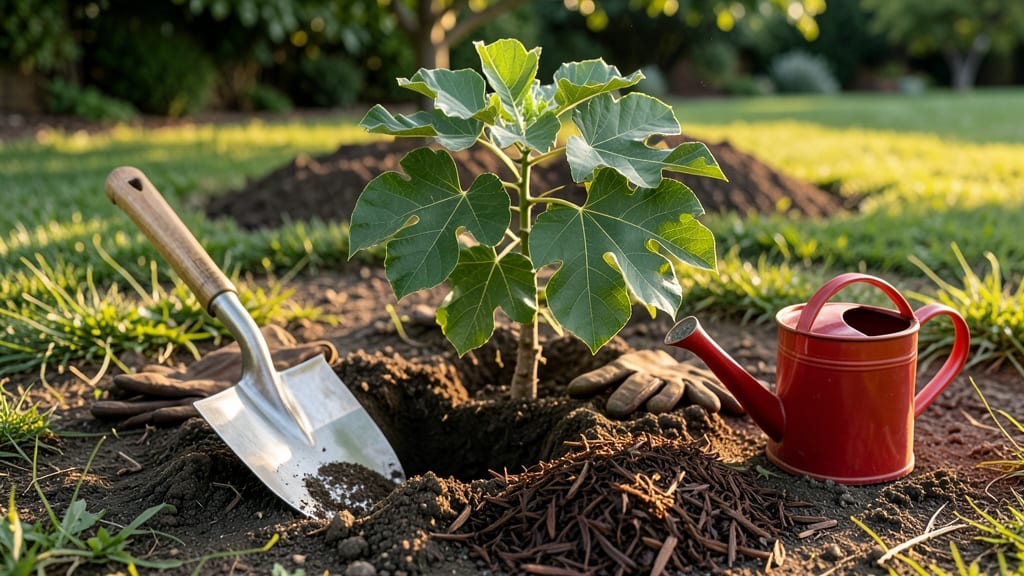
Timing when to plant a fig tree in the ground just right could mean the difference between a thriving fruit-bearing tree and one that struggles to survive. Planting too early risks frost damage, while waiting too long might stunt root growth before summer heat arrives.
For most gardeners in USDA Zone 6a, the sweet spot is April to May—right after the last frost when soil warms to at least 60°F. But regional variations mean your neighbors might be planting in March, while others wait until June.
Let’s break down the best window for your climate and how to set your Fig Tree 🌳 up for success.
You’ll learn how to check soil temperature, recognize the ideal leaf development cues, and adjust for container-grown versus bare-root plants. These small tweaks can make a big difference in how quickly your tree establishes strong roots and starts producing those sweet figs.
Whether you’re a first-time gardener or a seasoned pro, getting the timing right is the key to a healthy, productive Fig Tree 🌳. Let’s dive into the details so you can plant with confidence and watch your tree flourish.
Best planting months for fig trees by USDA hardiness Zones
Fig trees thrive when planted at the right time, but the perfect window depends entirely on your USDA hardiness zone. In warmer zones like Zone 9-11, you can plant year-round, while colder zones (Zone 3-7) require careful timing to avoid frost damage.
The goal? Plant when soil temperatures stay above 60°F (15°C) for strong root growth.
Most gardeners plant fig trees in early spring after the last frost, but late fall can also work in mild climates. The key is avoiding freezing temperatures, which can stunt young roots.
Let’s break down the best months by zone to ensure your fig tree gets off to a healthy, productive start.
🌱 Did You Know? Fig trees are semi-tropical and struggle in prolonged cold. Even a single frost can kill young plants, so timing is everything.
summary-table
| USDA Zone | Best Planting Months | Soil Temp Requirement | Frost Risk |
|---|---|---|---|
| Zones 3-5 | Late May-June (after last frost) | 65°F+ (18°C+) | High (plant after May 15) |
| Zones 6-7 | Early April-May (soil at 60°F) | 60°F+ (15°C+) | Moderate (avoid late spring frosts) |
| Zones 8-9 | March-April or September-October | 55°F+ (13°C+) | Low (mild winters) |
| Zones 10-11 | Year-round (best in fall or winter) | 50°F+ (10°C+) | None (tropical) |
In Zones 3-5, where winters are harsh, plant fig trees in late May or June after the last frost date. Soil temperatures must stay above 65°F (18°C) for roots to establish properly.
I’ve seen gardeners in Zone 4 wait until June 1st to be safe, even if the air feels warm.
For Zones 6-7, early spring (April-May) is ideal, but monitor soil temps closely. A soil thermometer helps track when conditions are right. If you’re in Zone 7, aim for April 15th—this gives roots time to grow before summer heat sets in.
Gardeners in Zones 8-9 have flexibility: plant in early spring (March-April) or late fall (September-October). Fall planting lets roots establish before winter, but avoid planting too close to frost dates. In Zone 8, I’ve had success with September plantings as long as temps stay above 55°F (13°C).
In Zones 10-11, fig trees can be planted year-round, but fall or winter is best. The cooler temps reduce stress, and roots grow steadily without summer heat. I’ve planted in January in Zone 10 with no issues—just keep soil moist.
Pro tip: If you’re in a transition zone (e.g., Zone 7b), err on the side of later planting. A single late frost can kill young fig trees, and recovery is slow. Always check your local frost dates and add a 2-week buffer.
One mistake I see often is planting too early in Zone 6-7. Cool soil slows root growth, and young trees can stunt or die if exposed to sudden cold snaps. Wait for consistent warmth—even if it means delaying by a week or two.
For container-grown figs, you can plant slightly earlier than bare-root trees, as pots provide insulation. But ground planting still requires warm soil. Amend your soil with compost to improve drainage, and mulch heavily to retain heat.
🌿 Final Tip: If you miss the ideal window, don’t panic. Fig trees are resilient! Plant in late spring and protect young trees with row covers if frost is forecasted.
5 Signs your fig tree planting timing is perfect (or terrible)
Fig trees thrive when planted at the right moment, but getting the timing wrong can stunt growth or even kill your tree before it bears fruit. The key is recognizing ideal conditions—like soil warmth and leaf development—that signal it's time to plant.
I've learned from years of trial and error that these 5 signs make all the difference between a struggling sapling and a robust, fruit-bearing tree.
First, you'll want to check the soil temperature. Figs need soil that's warmed to at least 60°F (15°C) before planting. Cold soil slows root growth, leaving your tree vulnerable to disease. I always use a soil thermometer to confirm—it's the most reliable way to avoid early-season stress.
Pair that with consistent rainfall (or your ability to water deeply), and you're on the right track.
Here’s what to look for to ensure perfect timing—or spot disastrous mistakes:
- 1 Soil temperature reaches 60°F+ (15°C+) at 6-inch depth. Use a thermometer to confirm—cold soil stunts roots.
- 2 Last frost date has passed in your USDA zone. Check local records—figs can’t handle even light frost.
- 3 New leaves appear on container-grown figs. Healthy growth means the tree is ready to adapt to outdoor conditions.
- 4 Rainfall or irrigation is consistent for 2+ weeks. Drought stress during planting weakens root establishment.
- 5 Bare-root trees have moist but not soggy roots. Dry roots struggle to rehydrate, while waterlogged roots rot.
- 1 Soil is below 50°F (10°C). Roots grow slowly, increasing risk of root rot or fungal diseases.
- 2 Frost is still likely in your area. Even hardy varieties can suffer damage from unexpected cold snaps.
- 3 Leaves are dormant on container-grown figs. Planting dormant trees delays new growth by weeks.
- 4 No rainfall forecast for 3+ weeks. Figs need consistent moisture to establish roots properly.
- 5 Bare-root trees have dry, brittle roots. These trees need immediate replanting with moist soil.
One common mistake I see is planting figs too early in Zone 7 or colder. Even if the air feels warm, the soil stays chilly until late spring.
I once planted a fig in March in Zone 6, and it took 6 weeks for roots to establish—by then, the tree was already stressed. Always wait until the soil is warm enough, even if the calendar says spring.