
Flowers
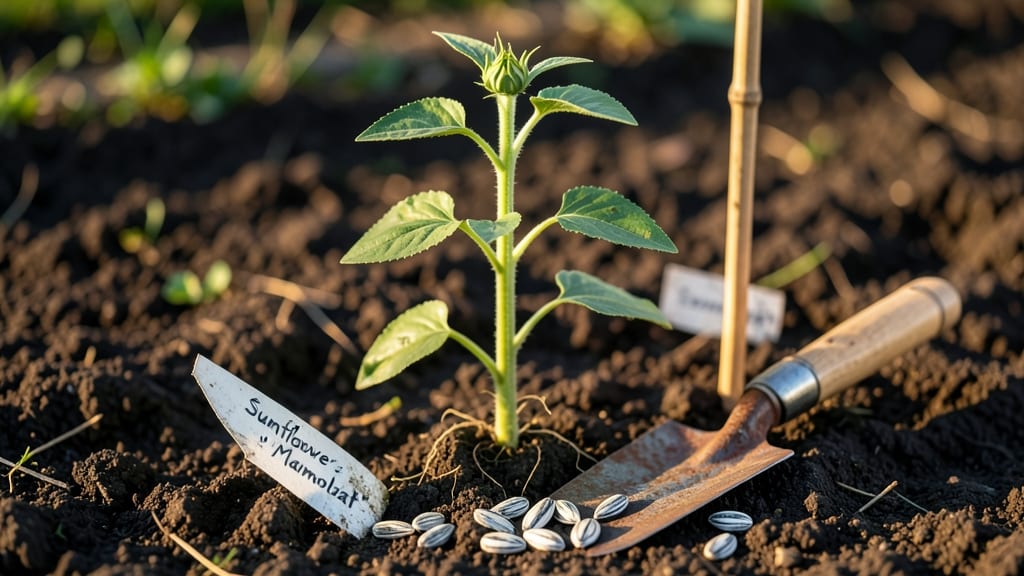
Planting sunflowers in Georgia at the wrong time can turn your 🌻 dreams into wilted disappointment—but getting the timing right means towering, vibrant blooms all summer long.
With Georgia’s USDA zones 7b-8b offering a 210-240-day frost-free window, you’ve got plenty of opportunities to grow these giants, but knowing exactly when to start is the key to success.
Most gardeners in Georgia plant sunflowers between mid-March and early July, but the best window depends on your region. Whether you’re in Atlanta’s cooler microclimate or Savannah’s humid heat, understanding your last frost date and soil temperature is the game-changer that separates thriving plants from struggling ones.
In this guide, I’ll break down the perfect planting schedule for your zone, share soil prep tips to give your sunflowers a head start, and reveal how to adjust for Georgia’s unpredictable weather. No more guessing—just perfect timing for sunflowers that reach their full potential.
Ready to grow sunflowers that stand taller than your fence? Let’s dive into the exact steps to make your garden the talk of the neighborhood.
Best planting windows for sunflowers in Georgia’s climate zones
Georgia’s USDA Zones 7a-8b offer a 210-240 day frost-free window—perfect for sunflowers that love warmth and long days. But timing matters! Plant too early in North Georgia (Zone 7a), and late frosts will nip seedlings.
Plant too late in South Georgia (Zone 8b), and your giant varieties won’t reach their full 10-16 foot potential before winter. The key is aligning your planting with soil temperature thresholds and regional frost dates.
For most of Georgia, the ideal planting window spans from mid-March to early July. This range accounts for both direct sowing (best for giant varieties) and transplanting (ideal for dwarf types).
In Atlanta (Zone 7b), aim for April 15 to June 1, while Savannah (Zone 8a) gardeners can start as early as March 1 and extend to July 15. The goal? Get seeds in the ground when soil temps hit 50°F and stay consistent.
Soil temperature is your best friend here. Use a soil thermometer to confirm readiness—sunflowers won’t germinate below 50°F. In North Georgia, wait until April 1 or later, even if frost dates suggest earlier planting. In South Georgia, you can push the envelope slightly, but avoid planting before March 1 unless you’re using row covers to protect seedlings.
For direct sowing, which is best for giant sunflower varieties like ‘Mammoth’ or ‘Russian Giant’, aim to plant 1 inch deep and 2-3 inches apart. These varieties need space to grow—some can reach 12-16 feet tall!
In North Georgia, wait until after the last frost (typically mid-April) to ensure seedlings aren’t damaged. In South Georgia, you can start as early as late February for a head start.
Transplanting is ideal for dwarf varieties like ‘Teddy Bear’ or ‘Moulin Rouge’, which max out at 3-5 feet tall. Start seeds indoors 4-6 weeks before your last frost date, then transplant when seedlings are 3-4 inches tall and soil is warm. This method gives you more control over spacing and reduces competition. Just be sure to harden off seedlings for 5-7 days before transplanting to avoid shock.
Don’t forget about staggered planting! By sowing seeds every 2-3 weeks within your region’s window, you’ll enjoy continuous blooms from July to October. This is especially useful in Zone 7a, where a late frost could wipe out early plantings. For example, if you plant April 15
How to adjust sunflower planting for Georgia’s unpredictable weather patterns
Georgia’s unpredictable weather can turn your sunflower dreams into wilted disappointments if you’re not prepared. Late frosts in North Georgia and sudden heatwaves in South Georgia demand smart adjustments to your planting schedule. The key? Staggered plantings and soil warming tricks to outsmart Mother Nature’s mood swings.
Most gardeners rush to plant as soon as the last frost date passes—usually mid-March—but this can backfire. Young sunflowers are frost-sensitive and may bolt or rot if temperatures dip unexpectedly.
Instead, I’ve learned to wait until soil temperatures consistently stay above 50°F, which typically happens by late March to early April in most of Georgia.
⚠️ callout warning ⚠️
Many gardeners in Zone 7a (like Athens or Blue Ridge) plant sunflowers in February, but this risks frost damage or slow germination. Even if your neighbors swear by early planting, wait until after April 15 in these areas for 90% success rates. Use a soil thermometer—if it’s below 50°F, hold off!
💡 Pro Tip: Cover seeds with black plastic mulch 1-2 weeks before planting to warm the soil faster.
For extended blooms, I use a staggered planting schedule: my first batch goes in mid-April, followed by two-week intervals through early June. This ensures continuous flowers from summer to early fall, even if Mother Nature throws a heatwave or drought your way.
If you’re in South Georgia (Zone 8b), like near Savannah or Macon, you’ve got more flexibility. You can start as early as late February and even plant a second crop in July for fall blooms.
But watch for humidity-related diseases—space plants 12-18 inches apart and water at the base to avoid fungal issues.
When sudden heatwaves hit (which they will), protect young seedlings with shade cloth (30-50%) until they’re 3-4 inches tall. This prevents bolt stress and keeps them from wilting in 90°F+ temps.
Once established, sunflowers handle heat like champs, but dwarf varieties (like ‘Teddy Bear’) are your best bet for small spaces or high-humidity areas.
Finally, avoid over-fertilizing—sunflowers thrive on poor soil and too much nitrogen leads to leafy monsters instead of tall, sturdy stems. A light feeding of 5-10-10 at planting time is all they need.
With these tweaks, you’ll enjoy sunflowers from July to October, no matter what Georgia’s weather throws at you! 🌻