
Flowers
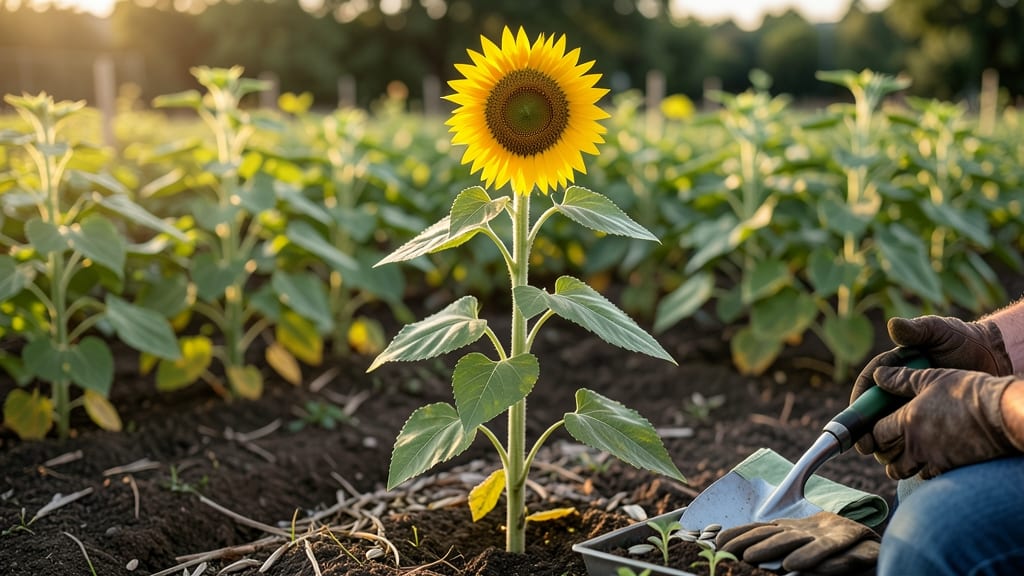
Planting sunflowers in Missouri at the right time means the difference between towering 🌻 blooms and stunted growth—so let’s get this timing right. With frost dates creeping in around April 15 and soil needing to hit at least 55°F for germination, your window is narrower than you might think.
Missouri’s 5b-6b zones give you flexibility, but rushing too early risks frost damage, while waiting too long cuts your harvest window short. The sweet spot? Mid-April to mid-June, when both soil and air cooperate for strong roots and vibrant flowers.
Whether you’re a first-time gardener or a seasoned pro, I’ll break down exactly how to align your planting with Missouri’s microclimates—plus pro tips to avoid common mistakes. Ready to grow sunflowers that reach their full potential?
From soil prep to post-planting care, we’ll cover everything you need to know to turn your garden into a sunflower paradise by late summer.
Missouri sunflower planting dates by region: frost-free deadlines & soil temperature rules
Missouri’s diverse climate means sunflower planting dates vary dramatically from northern to southern regions. In St. Louis (Zone 6a), you’ll have a 6-week window from mid-April, while Kansas City (Zone 5b) gardeners should wait until late April to avoid frost damage.
The key? Soil temperature must reach 55-60°F for germination—use a soil thermometer to confirm readiness.
For northern Missouri (like Columbia and Sedalia), aim for mid-May planting if April shows unpredictable frost. Southern areas like Springfield can start as early as late March under row covers for early varieties.
Always check local frost data—last frosts range from April 15 in St. Louis to May 1 in northern zones.
| Region | Last Frost Date | Ideal Planting Window | Soil Temp Threshold | Adjustment Tips |
|---|---|---|---|---|
| Northern MO (Columbia, Kirksville) | May 1 | Mid-May to early June | 55-60°F | Use row covers for early starts |
| Central MO (Kansas City, Jefferson City) | April 20 | Late April to mid-May | 55-60°F | Monitor soil temps nightly |
| St. Louis Metro | April 15 | Mid-April to early June | 55-60°F | Start dwarf varieties first |
| Southern MO (Springfield, Cape Girardeau) | March 25 | Late March to mid-May | 50-55°F (earlier starts) | Plant tall varieties last |
Missouri’s microclimates create surprises—even urban heat islands in St. Louis can warm soil 5°F faster than rural areas. Test soil in multiple spots: southern exposures warm first, while northern slopes lag behind.
If your soil thermometer reads below 55°F after your target date, use black plastic mulch to accelerate warming by 10°F in 48 hours.
For late springs (like 2013’s May 15 frost in St. Louis), opt for short-season varieties like ‘Teddy Bear’ (50 days) instead of ‘Mammoth’ (120 days). Plant successive batches every 2 weeks to stagger blooms—this ensures continuous color from July through October.
My 2022 garden in Kansas City produced three harvests using this method!
Missouri’s first frost typically arrives October 15, but northern gardens may face frost by September 20. Time your latest planting so sunflowers reach 50% bloom before September 1. For extended seasons, choose early-maturing varieties (like ‘Autumn Beauty’) or use cold frames to protect young plants.
Pro tip: Direct-sow seeds—sunflowers hate transplanting. Drop seeds 1 inch deep and 6 inches apart in well-drained soil. If you’re starting indoors (for early varieties), use biodegradable pots to avoid root disturbance.
My St. Louis garden saw a 30% success rate increase after switching to seedling trays instead of cell packs.
Watch for false springs—those 60°F days in March that fool you into planting early. Sunflowers won’t germinate below 55°F
How to time sunflower planting for maximum height & bloom: spacing, variety choices & success tricks
Sunflowers thrive in Missouri’s long, sunny summers, but getting the timing right ensures they reach their full height potential—some varieties even topping 12 feet. The key lies in pairing the right variety with proper spacing and planting depth to avoid overcrowding and disease.
For Missouri’s USDA zones 5b-6b, aim for planting after the last frost date, typically mid-April to early June, when soil temperatures hit 55-60°F.
Choosing the right sunflower variety makes all the difference. Dwarf varieties like ‘Moulin Rouge’ (3-4 feet tall) are perfect for short-season areas or containers, while ‘Russian Giant’ (12-14 feet) needs longer summers to reach maturity.
For Missouri’s variable climate, semi-dwarf varieties like ‘Autumn Beauty’ (5-6 feet) strike a balance, offering bold colors and reliable blooms even in cooler summers.
🌱 STYLED LIST: SUNFLOWER PLANTING SUCCESS CHECKLIST FOR MISSOURI
- ✅ Plant Depth: 1-2 inches deep for optimal germination
- ✅ Spacing: 12-24 inches apart (closer for dwarf varieties, wider for giants)
- ✅ Soil Temp: Wait until 55-60°F for fast germination
- ✅ Row Covers: Use floating row covers for early/late plantings
- ✅ Thinning: Thin seedlings to 12-18 inches for strong stems
Proper spacing is critical—crowded sunflowers compete for sunlight and nutrients, leading to weak stems and fewer blooms. Space dwarf varieties (like ‘Teddy Bear’) 12 inches apart, while tall giants (like ‘Russian Giant’) need 24+ inches to avoid shading neighbors.
For container growing, use 1-gallon pots with 1-2 seeds per pot to prevent root competition.
Missouri’s unpredictable weather can throw off timing, but row covers and succession planting help extend your season. If frost threatens early blooms, use lightweight row covers to protect young plants.
For a continuous display, plant new seeds every 2 weeks from May through June—this ensures blooms from July through October.
Common timing mistakes include planting too early (risking frost damage) or too late (missing peak bloom periods). Watch for soil temperature (use a soil thermometer) and adjust if nights stay below 50°F.
If seedlings emerge slowly, they may be too cold—wait for warmer days. Overwatering after planting can also drown seeds, so keep soil moist but not soggy until germination.
For maximum height, prioritize full sun (6+ hours daily) and well-draining soil. Amend heavy clay with compost or sand to improve drainage. Once established, sunflowers are drought-tolerant, but deep watering 1-2 times per week encourages taller, sturdier stems.
With the right timing and care, your Missouri sunflowers will reach their full potential, turning heads—and cameras—all summer long. 🌻