
Flowers
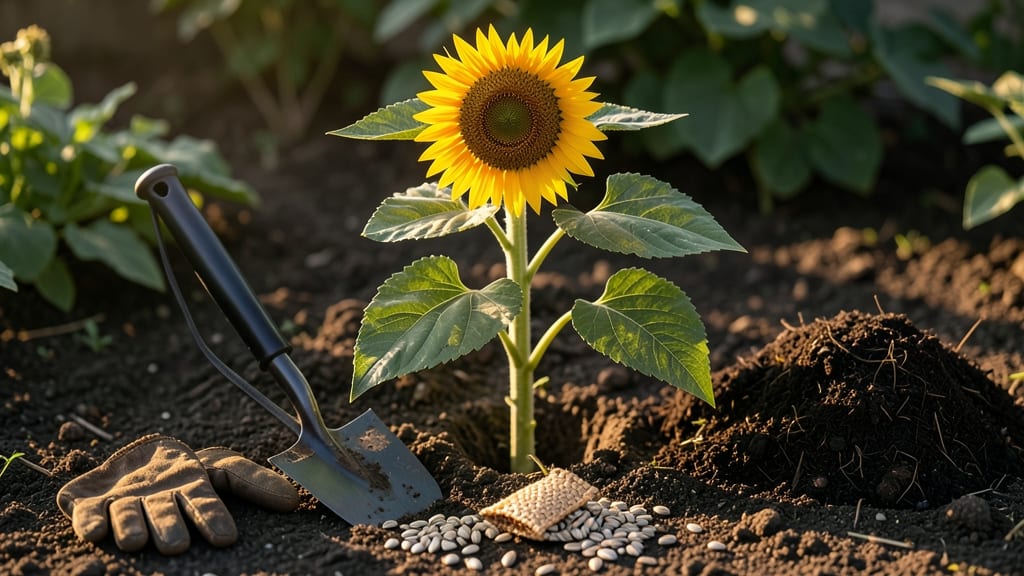
Planting sunflowers in Louisiana isn't just about timing—it's about outsmarting the state's unpredictable storms and sweltering heat to grow towering, hurricane-resistant blooms.
The perfect window starts as early as mid-March, right after the last frost, but coastal areas may need to wait until April to avoid salt spray damage from early hurricanes.
If you're dreaming of 12-foot sunflowers that stand tall through summer, you'll want to get seeds in the ground by early July at the latest—just in time to beat the worst of hurricane season.
But here's the catch: Louisiana's microclimates mean your neighbor in Baton Rouge might plant a month earlier than someone in New Orleans.
Don't let the humidity fool you—sunflowers actually thrive in Louisiana's climate when planted correctly. The key is preparing your soil with compost to improve drainage, then spacing plants 6 inches apart to give them room to grow strong stems that can weather wind.
I'll walk you through the exact planting schedule for your specific zone, plus pro tips to protect your sunflowers from Louisiana's worst weather. Let's get those 🌻 planted on the right timeline for maximum beauty and resilience.
Louisiana sunflower planting calendar: best months by variety for hurricane resistance
Timing your sunflower planting in Louisiana is all about beating the storm season while maximizing heat tolerance. The state's USDA zones 8a-9b offer a long growing window, but hurricane risks peak from June to November.
By choosing the right variety and planting window, you can grow sunflowers that reach their full 12+ foot potential without succumbing to wind or flooding.
For giant sunflowers like 'Mammoth' or 'Russian Giant', aim for early spring planting (March-April) to establish strong roots before summer heat. Dwarf varieties such as 'Teddy Bear' or 'Sunspot' can handle later plantings (June-July) and still thrive in humid conditions.
Heat-tolerant hybrids like 'Autumn Beauty' offer extended bloom times and better storm resilience.
Here's your Louisiana sunflower planting calendar broken down by variety and storm-risk timing:
| Variety Type | Best Planting Window | Storm Risk Level | Mature Height | Key Survival Tip |
|---|---|---|---|---|
| Giant Varieties | March 15 - April 30 | Moderate (June storms) | 10-14 ft | Stake at 4 ft for wind support |
| Standard Varieties | April 15 - May 31 | High (July-Nov storms) | 6-10 ft | Plant in raised beds for drainage |
| Dwarf Varieties | June 1 - July 15 | Low (late season) | 1-3 ft | Use mulch for wind protection |
| Heat-Tolerant Hybrids | March 1 - June 15 | Moderate (adaptive) | 5-12 ft | Plant in windbreaks |
| Late-Summer Escape Strategy | ||||
| All Varieties | July 15 - August 15 | High (hurricane season) | Varies | Transplant to containers |
For coastal Louisiana gardeners, consider planting dwarf varieties in late June to avoid the worst storm winds. These 1-3 foot sunflowers mature quickly and can handle salt spray better than taller varieties.
Inland areas like Baton Rouge can safely plant standard varieties through May, giving them time to establish before summer storms.
My top recommendation for hurricane resistance is the 'Autumn Beauty' hybrid, which blooms in multiple colors and handles 90°F+ temperatures better than most varieties. Plant these in early March for a late-summer escape strategy—by August, they'll be mature enough to handle tropical storm winds if staked properly.
If you're planting in August or September, focus on dwarf varieties or use container gardening to move plants indoors before storms. The key is getting seeds in the ground 8-10 weeks before your first frost (typically mid-November in Louisiana) to ensure full maturity before cold snaps.
Always test your soil pH (ideal: 6.0-7.5) and amend with compost before planting. Louisiana's clay-heavy soils benefit from organic matter to improve drainage—critical during heavy summer rains. Space seeds 12-18 inches apart for giant varieties to prevent wind damage.
For emergency storm prep, keep a supply of burlap windbreaks
How to adjust sunflower planting for Louisiana’s microclimates (coastal vs. inland)
Louisiana’s microclimates create dramatic differences in sunflower success, especially between coastal areas like New Orleans and inland regions near Baton Rouge. Coastal zones face earlier hurricane risks and salt spray, while inland areas deal with heavier clay soils and later frost threats.
Understanding these differences means the difference between 12-foot giants and stunted, storm-damaged plants.
In New Orleans, the last frost date averages March 15, but hurricane season starts as early as June 1. This means your ideal planting window shrinks to March 20–April 30 for coastal areas.
Inland, where Baton Rouge sees its last frost around March 1, you can plant as early as February 20 for a head start.
Soil conditions also vary wildly: coastal gardens often have sandy, well-draining soil mixed with salt, while inland areas struggle with heavy clay that requires amending. I’ll show you how to adjust your planting schedule and soil prep for each zone to maximize sunflower resilience.
| Factor | Coastal (New Orleans) | Inland (Baton Rouge/Rural) |
|---|---|---|
| Last Frost Date | March 15 | March 1 |
| Ideal Planting Window | March 20–April 30 | February 20–May 15 |
| Soil Type | Sandy, salt-affected | Clay-heavy |
| Hurricane Risk | High (June–October) | Moderate (late season) |
| Soil Prep Tip | Add compost + gypsum | Mix in sand + compost |
| Late Planting Cutoff | June 15 (risk of storms) | July 1 (longer growing season) |
For coastal gardeners, focus on early-maturing varieties like ‘Autumn Beauty’ (60 days to bloom) to avoid hurricane season. Plant seeds 1 inch deep and 6 inches apart, then mulch heavily to prevent salt damage.
Inland areas can afford taller varieties like ‘Russian Giant’ (120+ days), but amend clay soil with sand and compost to improve drainage.
If you’re in a rural area with later frost dates, consider a second planting in early July for a fall harvest. Just be sure to use sturdy stakes—Louisiana’s summer storms can snap even the toughest stems without support.
With the right timing and prep, your sunflowers will 🌻 stand tall through the season.
Pro tip: Monitor the National Hurricane Center in May—if storms are forecast before July, push your planting earlier to give flowers time to mature before the worst weather hits. A little extra planning now means bigger, healthier blooms that survive the season.