
Companion Plants
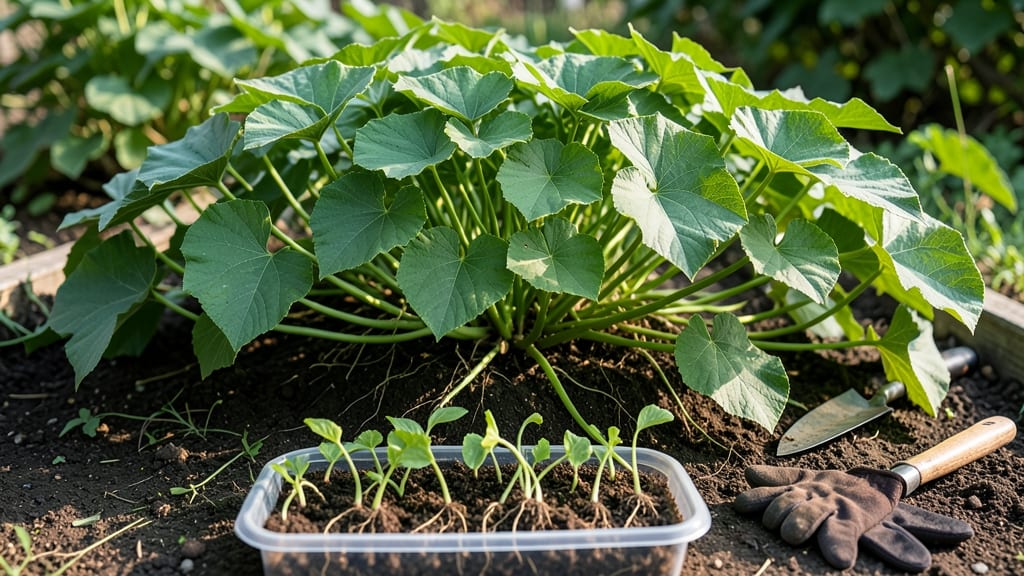
Planting sweet potatoes in North Carolina at the wrong time means waiting months for harvests instead of enjoying 90-day sweetness—so timing slips (young plants) is everything. The key? Start after the last frost when soil reaches 65°F, typically between late May and early June in zones 7a-8b.
This window ensures your 🍠 thrive without frost damage or pest pressure, setting you up for a bumper crop by fall.
Many gardeners mistakenly plant too early, risking stunted growth or even loss to late frosts. But with the right timing—paired with well-draining soil and full sun—you can fast-track your harvest.
I’ll show you how to calculate the perfect planting date based on your local frost risk and variety, so you’re not left guessing.
Why does this matter? In North Carolina’s humid climate, sweet potatoes face unique challenges like weevils and fungal diseases. Planting at the right time strengthens their defenses and maximizes yields.
Whether you’re growing for home use or a small farm, these secrets will help you beat the heat and pests for a successful harvest.
Ready to unlock the secrets of 90-day harvests? Let’s dive into the exact steps to time your sweet potato slips for peak performance—no more wasted seasons!
Optimal planting windows for sweet potatoes in North Carolina’s climate zones
North Carolina’s 7b and 8a climate zones create perfect conditions for growing sweet potatoes—but timing is everything. Planting too early risks frost damage, while late starts may leave you harvesting after the first frost.
The key is planting slips (young plants) after soil warms to 60°F+ and all frost danger has passed, ensuring a 90-day harvest window before winter sets in.
Most gardeners in NC aim for late May to early June as the ideal window, but your exact dates depend on your USDA zone, elevation, and chosen variety.
Early varieties like Beauregard can be planted as soon as soil is workable, while longer-season types like Georgia Jet need extra time to mature. Let’s break down the perfect planting schedule for your corner of the state.
🌱 PRO TIP: Use a soil thermometer to confirm 60°F+ soil temps before planting—this is more critical than air temperature. Cold soil slows root development and invites rot.
| Zone | Last Frost Date | Optimal Planting Window | Soil Temp Requirement | 90-Day Harvest Window |
|---|---|---|---|---|
| 7b (Western NC) | April 15 - May 1 | Late May to early June | 60°F+ (consistent) | Late August to mid-September |
| 8a (Central/Eastern NC) | March 15 - April 1 | Early to mid-May | 60°F+ (consistent) | Late July to early September |
| Coastal NC (8a) | March 1 - March 15 | Mid-April to early May | 62°F+ (warmer coastal soils) | Late June to mid-August |
| Mountain Regions (7b) | May 1 - May 15 | Early to mid-June | 65°F+ (cooler nights) | Late September (risky) |
*Adjust for early/late varieties: 90-day types need earlier starts; 120-day types can plant 2-3 weeks later.
If you’re growing 90-day varieties like Centennial or Georgia Jet, aim for the earliest possible planting date in your zone to maximize your harvest window. These varieties need all 90 days of warm weather to reach maturity, so don’t wait too long after soil warms.
For longer-season varieties like Bonita (120+ days), you can push planting dates 2-3 weeks later while still avoiding frost.
One common mistake is planting slips too small—look for 4-6 inch slips with at least 3-4 nodes (the bumps where roots form). Smaller slips struggle to establish roots quickly enough in NC’s short growing season.
I always order mine from reputable nurseries like Johnny’s Selected Seeds or Southern Exposure Seed Exchange to ensure quality slips arrive on time.
For gardeners in Zone 7b (Western NC), where the growing season is shorter, focus on early-maturing varieties and consider using black plastic mulch to warm the soil faster. This can shave 1-2 weeks off your planting timeline by raising soil temperatures by 5-10°F.
Just be sure to remove it before harvest to avoid contaminating your sweet potatoes.
In Zone 8a (Central/Eastern NC), where summers are longer, you have more flexibility. You can even try successive plantings every 2-3 weeks from May through early June to extend your harvest season.
This works especially well for Beauregard, which produces both storage roots and culinary sweet potatoes in the same plant.
Watch for first frost dates in your area—most of NC sees frost by mid-November, but mountain regions can freeze as early as late October. Plan to harvest before first frost or use row covers to extend the season by 2-3 weeks.
I’ve had success with floating row covers to protect vines from unexpected cold snaps while still allowing sunlight through.
🌿 REMEMBER: Sweet potatoes need full sun (6+ hours daily) and well-draining soil to thrive. Amend heavy clay soils with compost or sand to improve drainage—waterlogged roots lead to rot, not sweetness.
How to time sweet potato slips for maximum yield in NC’s short season
North Carolina’s short growing season demands precision when planting sweet potato slips. Unlike seeds, slips need warm soil (65°F+) and frost-free conditions to thrive. Using growing degree days (GDD) helps calculate the perfect window—especially for 90-day varieties like 'Beauregard' that need to mature before first frost (typically mid-November).
Start by checking your USDA zone (7b-8a). In Zone 7b, aim for slips in late May to early June; in Zone 8a, you can plant 2-3 weeks earlier.
The key is ensuring 120-150 frost-free days for full maturation. Use a soil thermometer to confirm warmth before planting—cold soil stunts growth and invites pests.
- 📅 Step 1: Calculate Frost-Free Days
Count 120 days back from your average first frost (NC: mid-November). This gives your last planting window. - 🌡️ Step 2: Wait for Warm Soil
Plant only when soil hits 65°F+ at 4-inch depth. Use a soil thermometer—cold soil delays growth by 2-3 weeks. - ⏳ Step 3: Choose Slip Maturity
Pick 90-day slips (e.g., 'Georgia Jet') for early harvests or 120-day slips (e.g., 'Centennial') for larger yields. Adjust planting date 2 weeks earlier for 90-day varieties. - 📊 Step 4: Track Growing Degree Days (GDD)
NC needs 2,500-3,000 GDD for maturity. Use a GDD calculator (NC State Extension) to fine-tune dates based on your microclimate. - 🌱 Step 5: Plant Slips Correctly
Space slips 12 inches apart in mounds or ridges for drainage. Bury slips halfway—roots will grow downward, while vines spread upward.
For maximum yield, pair your planting date with slip selection. 90-day varieties like 'Beauregard' need to go in early June to harvest by early September, while 120-day varieties like 'Covington' can wait until late June for a late-October harvest.
Pro tip: Buy slips from reputable nurseries (e.g., NC State Extension-approved suppliers) to avoid diseased stock.
Don’t forget to mulch heavily after planting to retain soil warmth and moisture. Use straw or black plastic mulch—this can extend your growing season by 2-3 weeks in cooler NC regions. Monitor for sweet potato weevils; rotate crops yearly to prevent infestations and ensure healthy tubers.
Timing slips right means the difference between small, underdeveloped tubers and bountiful harvests. By following these steps, you’ll beat NC’s short season and enjoy homegrown sweet potatoes before winter sets in—just in time for holiday feasts! 🍠