
Companion Plants
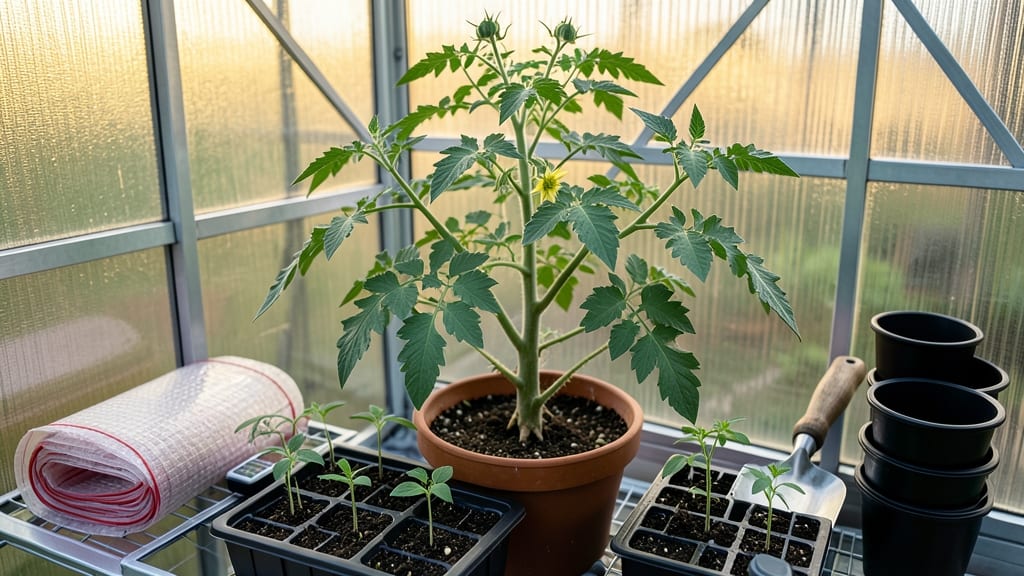
Planting tomato plants in a greenhouse isn't just about avoiding frost—it's about unlocking year-round harvests with precise timing and warmth control. Unlike outdoor gardens, your greenhouse lets you start seeds any month, but the key is matching plant growth stages to your climate's natural rhythms.
Most gardeners wait for spring to plant tomatoes outdoors, but in a greenhouse, you can begin as early as January for fall harvests or stretch into late summer for winter crops. The trick? Maintaining consistent soil temperatures between 70-80°F to prevent stunted growth or blossom drop.
I’ve tested this strategy for years, and the results speak for themselves: continuous harvests instead of a single summer bounty. Whether you're growing heirlooms or cherry varieties, the right timing ensures your 🍅 plants thrive without wasting space or resources.
Ready to break free from seasonal limitations? Let’s dive into the exact schedule and greenhouse conditions that turn your space into a tomato-producing powerhouse, no matter the month.
Optimal greenhouse planting timing for tomatoes by climate zone
A greenhouse transforms your tomato-growing potential, letting you plant year-round regardless of USDA zone. Unlike outdoor gardens, your greenhouse eliminates frost risks and lets you control heat thresholds—but timing still matters.
Plant too early, and seedlings suffer from transplant shock; too late, and you miss peak harvest windows. The key? Aligning your schedule with greenhouse pre-warming and variety heat tolerance.
For USDA zones 5-10, I’ve broken down the best planting windows by season—early spring, summer, and fall—plus how to pre-warm your greenhouse to avoid shocking delicate seedlings.
Even in cold zones, a well-timed start can mean tomatoes by June instead of August. Let’s dive into the science-backed schedule that maximizes your greenhouse’s potential.
| Climate Zone | Early Spring Planting | Summer Planting | Fall Planting | Pre-Warming Tip |
|---|---|---|---|---|
| Zones 5-6 | Start seeds indoors by Feb 1; transplant April 15 after soil reaches 60°F. | Plant June 1 for late-season heat-tolerant varieties like 'Solar Fire'. | Sow seeds July 15 for fall harvest; transplant Aug 1. | Use greenhouse heat mats to warm soil to 70°F before transplanting. |
| Zones 7-8 | Start seeds Jan 15; transplant March 1 when nights stay above 45°F. | Plant May 15 for continuous harvests; avoid July-August if temps exceed 90°F. | Sow seeds Aug 1 for fall/winter harvest; transplant Aug 15. | Ventilate daily after 75°F to prevent bolting. |
| Zones 9-10 | Plant year-round with shade cloth in summer; start seeds Dec 1 for spring. | Focus on heat-tolerant varieties like 'Heatmaster'; plant April 1 and Sept 1. | Sow seeds Sept 15 for winter harvests under grow lights. | Use fogging systems to maintain 75-85°F humidity. |
In USDA zones 5-6, where frost is a real threat, your greenhouse lets you start seeds indoors by February. The trick is pre-warming the soil to 70°F before transplanting in mid-April.
Use heat mats or bottom watering to avoid shocking seedlings. For summer plantings, opt for heat-tolerant varieties like 'Solar Fire' and plant in early June to beat the worst heat.
Zones 7-8 offer more flexibility, but ventilation is critical to prevent blossom drop when temps exceed 85°F. I’ve had success with shade cloth during peak afternoon sun. For fall plantings, start seeds in mid-July and transplant by August 1 to ensure a harvest before winter sets in.
In these zones, staggered plantings every 3 weeks can give you continuous tomatoes from June to October.
If you’re in zones 9-10, you can plant tomatoes year-round—but summer heat requires strategy. Use shade cloth or blackout curtains to block excess sun, and focus on heat-tolerant varieties like 'Heatmaster' or 'Solar Set'.
For winter harvests, supplement with grow lights to maintain 12-14 hours of light daily. I’ve grown cherry tomatoes in December using this method!
Regardless of your zone, avoid transplant shock by hardening off seedlings for 7-10 days before moving them into the greenhouse. Gradually increase sun exposure and reduce watering frequency to mimic outdoor conditions.
For determinate varieties (like 'Roma'), plant in early spring for a single, heavy harvest, while indeterminate types (like 'Sungold') thrive with successive plantings every 4-6 weeks.
Pro tip: Monitor your greenhouse’s nighttime temperatures. Tomatoes need 55°F minimum to set fruit—if it drops below, use row covers or a small space heater (safely!) to protect plants. In my zone 6 greenhouse, I’ve kept tomatoes producing until November by maintaining 60°F nights and 80°F days.
Finally, don’t forget to rotate varieties by season. Early spring favors cold-tolerant types like 'Stupice', while summer calls for heat-lovers like 'Arkansas Traveler'. By aligning your planting schedule
How to stagger tomato plantings for continuous harvests
Extending your tomato harvests year-round in a greenhouse isn’t just possible—it’s a game-changer for your garden. By staggering plantings in 3-4 cycles, you can enjoy fresh tomatoes from early spring through late fall.
The key lies in precise succession spacing, monitoring greenhouse temperatures, and adjusting ventilation to prevent stress. This method ensures your plants never compete for resources and keeps your kitchen stocked with homegrown fruit.
Start with early-season varieties like 'Stupice' or 'Mountain Merit' for cooler months, then transition to heat-tolerant types like 'Solar Fire' or 'Heatmaster' as temperatures rise. Each planting cycle should be spaced 4-6 weeks apart to maintain a steady supply.
For a greenhouse, this means you can plant indoor seedlings every 30-45 days once the first cycle is established, ensuring a seamless harvest transition.
Divide your greenhouse into 3-4 planting zones. Schedule cycles 4-6 weeks apart to overlap harvests. For example:
- Cycle 1: Early spring (Feb-March)
- Cycle 2: Late spring (April-May)
- Cycle 3: Early summer (June-July)
- Cycle 4: Late summer (August-September)
Maintain daytime temps between 70-85°F and nighttime temps above 60°F. Use a thermometer and adjust ventilation or shading as needed. Avoid sudden temperature drops, which can cause blossom drop or bolting. For winter plantings, use auxiliary heat mats to keep soil temps at 70-75°F for germination.
Open vents early in the morning to reduce humidity and prevent fungal diseases. In summer cycles, increase airflow to cool plants and prevent heat stress. For winter cycles, reduce ventilation but ensure CO2 levels stay high (above 800 ppm) for better fruiting. Use exhaust fans if your greenhouse lacks natural airflow.
Determinate varieties need 18-24 inches apart, while indeterminate types require 24-36 inches. Use vertical trellises to save space and improve airflow. In a greenhouse, stack plants by height—taller varieties in the back, shorter ones in front—to maximize light exposure for all cycles.
Use a balanced fertilizer (5-10-10) when transplanting seedlings. Switch to a low-nitrogen, high-phosphorus feed (e.g., 2-5-3) once flowers appear to encourage fruiting. Avoid over-fertilizing in late cycles, as excess nitrogen can delay harvests. Flush soil with water every 8-12 weeks to prevent salt buildup.
One of the biggest challenges in staggered plantings is balancing maturity dates. To avoid a glut of ripe tomatoes, mix early, mid, and late-season varieties within each cycle. For example, pair 'Early Girl' (60 days) with 'Better Boy' (80 days) to spread out your harvest.
Prune suckers and lower leaves regularly to redirect energy to fruit production, especially in indeterminate varieties that continue growing throughout the season.
Don’t forget to rotate crops annually to prevent soil-borne diseases like early blight or verticillium wilt. If you notice yellowing leaves or stunted growth in a cycle, adjust your watering schedule or nutrient levels immediately.
A greenhouse gives you control, but consistency is key—inconsistent care can turn your staggered system into a failed experiment. With these steps, you’ll enjoy tomatoes on the vine for nearly every month of the year!