
Plants
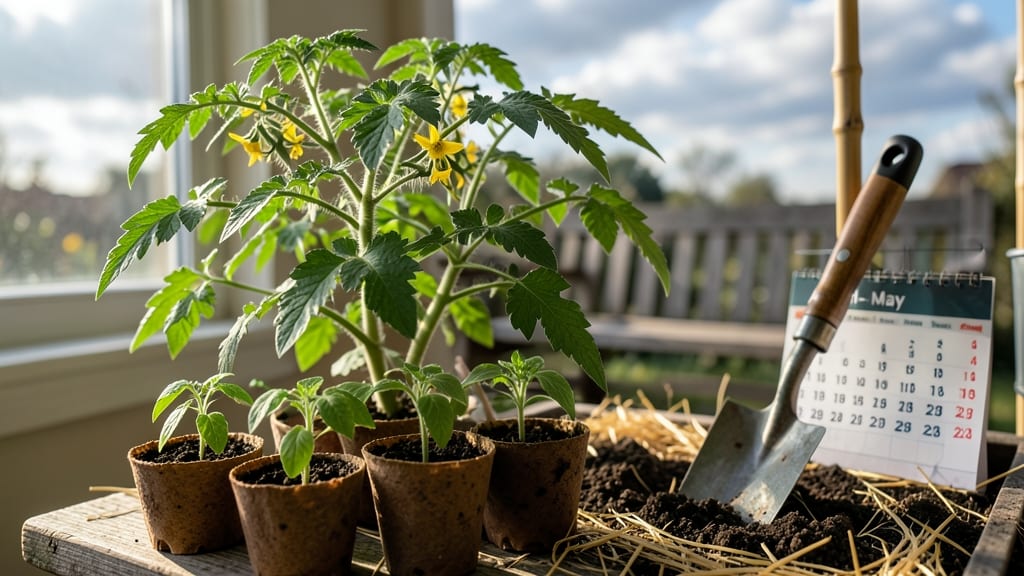
Timing when do you plant tomatoes in Indiana can mean the difference between a bumper crop and a frost-killed disappointment—and getting it right starts with knowing exactly when to put those seeds in the ground.
With Indiana’s USDA Zone 6a climate and unpredictable spring weather, planting too early risks losing your seedlings to late frosts, while waiting too long cuts your harvest short.
The ideal window runs from April 15 to May 15, but regional microclimates mean your exact start date could shift by weeks depending on whether you're in northern or southern Indiana.
Whether you're starting seeds indoors for an early jump or transplanting hardened-off plants after the last frost, I’ll break down the precise schedule that works for Indiana’s 165 frost-free days—plus pro tips to protect your plants from cold snaps and extend your growing season.
Skip the guesswork and learn how to align your tomato planting with Indiana’s climate for a garden full of juicy, homegrown 🍅 success—no matter where you are in the state.
Indiana’s last frost dates by region: exact planting windows for tomatoes
Indiana’s last frost dates can swing by 2-3 weeks between northern and southern regions, making precise timing critical for tomato success. In Zone 5 (north), gardeners typically wait until May 1-15 to transplant seedlings, while Zone 6 (south) can start as early as April 15-30.
These dates reflect 30-year averages, but microclimates—especially in cities—can shift windows by 10 days or more.
For Indiana tomatoes, the real magic happens when soil temperatures hit 60°F and stay there. Air temperature thresholds are less critical than soil warmth, which seedlings need to thrive.
Rural areas often warm 1-2 weeks earlier than cities due to urban heat islands, so adjust your schedule if you’re in Indianapolis, Fort Wayne, or Gary.
🌱
| Region | USDA Zone | Avg. Last Frost | Safe Transplant Window | Soil Temp Threshold | Microclimate Adjustment |
|---|---|---|---|---|---|
| Northern Indiana | 5a/5b | May 1-15 | May 15-31 | 60°F+ | Rural: +5-7 days Urban: -3-5 days |
| Central Indiana | 6a | April 20-May 5 | April 30-May 15 | 60°F+ | Rural: +3-5 days Urban: -1-3 days |
| Southern Indiana | 6b | April 10-25 | April 15-May 1 | 60°F+ | Rural: +1-3 days Urban: 0 days |
| All Regions | 5-6 | N/A | Wait for 10 consecutive days above 50°F | 60°F+ | Use row covers to extend window by 2-3 weeks |
If you’re starting seeds indoors, begin 6-8 weeks before your region’s last frost date. For Zone 5, that means mid-March; for Zone 6, late February. Use grow lights to prevent leggy seedlings, and harden them off for 1 week before transplanting to avoid shock.
For direct-sown tomatoes, wait until after May 15 in northern Indiana or after April 30 in southern areas. Direct sowing skips the transplant shock risk but gives you fewer varieties to choose from.
My go-to for direct sowing? ‘Stupice’ or ‘Mountain Merit’—both handle Indiana’s humidity and heat like champs.
🌿
Urban gardeners in Indianapolis or Evansville often face later soil warming due to concrete and asphalt absorbing heat slowly. Test soil temperature with a soil thermometer—if it’s below 60°F, delay planting.
Rural areas, like those near Lake Michigan or Hoosier National Forest, can plant 1-2 weeks earlier thanks to warmer microclimates.
Pro tip: Use black plastic mulch to warm soil 5-10°F faster than bare ground. Lay it down 2 weeks before planting to give the soil a head start. Pair this with straw mulch after transplanting to retain moisture and suppress weeds—critical in Indiana’s <
How to extend your Indiana tomato season: cold frames, row covers & succession planting
Indiana’s short growing season doesn’t mean you have to settle for fewer tomatoes. With the right techniques, you can extend your harvest by 3-4 weeks on either end.
Whether you’re dealing with late spring frosts or early fall chills, these strategies will help you push your tomato season to its limits while keeping your plants healthy and productive.
I’ve tested all three methods—cold frames, row covers, and succession planting—in my own Zone 6 garden, and each has its own sweet spot. The key is matching the method to your specific needs: Are you trying to get an early start or prolong fall harvests?
Let’s break down what works best for Indiana’s climate.
Cold Frames vs. Row Covers vs. Succession Planting
Cold Frames
- Pros: Extends season by 4-6 weeks, protects from light frosts, reusable for years
- Cons: $100-$300 initial cost, requires maintenance, limited space
Best for: Early spring starts and fall harvests when temps drop below 40°F.
Row Covers
- Pros: $20-$50 for lightweight fabric, easy to install, allows rain through
- Cons: Reduces light by 10-30%, needs staking, not for heavy frosts
Best for: Late spring protection and early fall warmth (down to 28°F).
Succession Planting
- Pros: Free (just extra seeds), spreads harvest over months, reduces pest pressure
- Cons: Requires space, needs consistent watering, shorter individual harvest windows
Best for: Continuous harvests throughout summer when space allows.
For early season extension, cold frames are my top pick—especially if you’re in northern Indiana where frosts linger. A simple wooden frame with plexiglass (or even a repurposed greenhouse panel) can keep soil temps 10-15°F warmer than ambient air.
I’ve seen Cherry tomatoes ripen in May when planted under a cold frame, giving me a head start on the season.
Row covers are my go-to for late spring when nighttime temps dip but days warm up. A floating row cover (like Agribon) lets sunlight through while shielding plants from 28-32°F frosts.
The trick is securing it tightly with bricks or hoops—otherwise, wind will rip it apart. I’ve used this method to add 2-3 weeks to my Beefsteak tomato season.
If you’re short on space but want non-stop tomatoes, succession planting is the answer. Instead of one big planting, stagger seeds every 2 weeks from late May through early July. This ensures you’re always harvesting something—cherries in July, slicers in August, and heirlooms in September.
Just remember: short-day varieties like Brandywine need cooler temps to set fruit, so plant them earlier.
Pro tip: Combine methods for maximum results. Use a cold frame for early starts, then switch to row covers in late summer to protect fall plants. And always harden off seedlings before exposing them to these extended conditions—sudden temperature swings can shock young plants.