
Plants
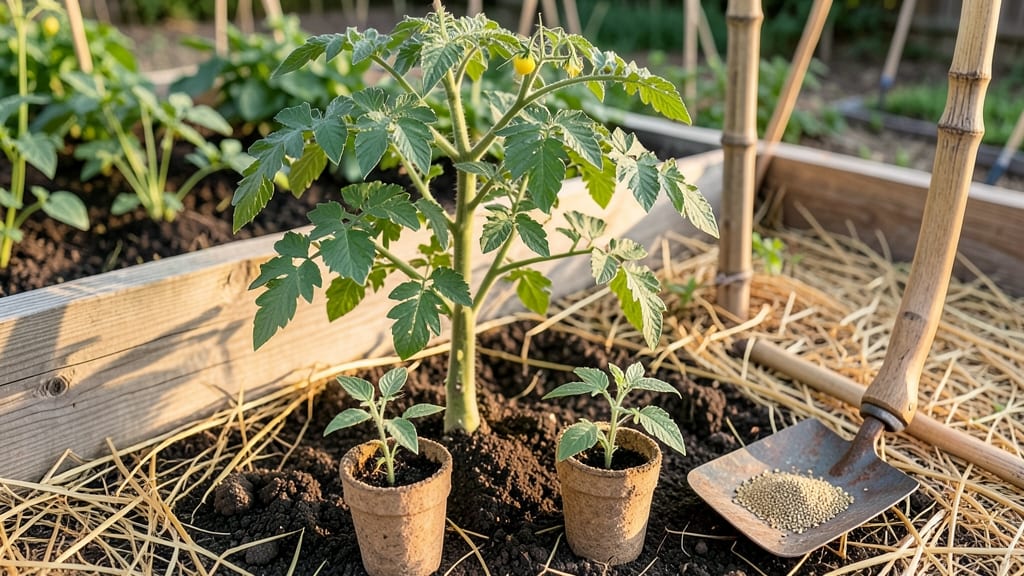
Planting tomatoes in Kansas means beating the clock—literally—because those 🍅 plants need warm soil and frost-free days to thrive. Get the timing wrong, and you’ll either watch your seedlings shrivel in a late spring chill or miss out on a summer harvest.
The key? Starting when soil reaches 60°F or higher and after your last frost date (usually mid-April to early May, depending on your zone).
Most Kansas gardeners swear by transplanting after Memorial Day, but early starters can begin seeds indoors in March to jumpstart the season. Whether you’re a first-timer or a veteran gardener, knowing your local frost dates and soil conditions makes all the difference.
Let’s break down the exact windows—and pro tips—to grow tomatoes that burst with flavor all season long.
Why fuss over timing? Because tomatoes in Kansas face unique challenges: unpredictable weather swings, soil that stays cool longer, and pests that strike early. The right schedule ensures your plants establish strong roots before the heat of July arrives.
We’ll cover everything from seed-starting tricks to transplanting hacks, so you can avoid common mistakes and maximize your harvest.
Ready to turn your garden into a tomato powerhouse? Stick around—I’ll share Kansas-specific strategies, including when to use row covers, how to read soil temps, and which varieties hold up best in Zones 5b-7a. Your future vine-ripened slices are waiting!
Kansas tomato planting timeline: frost dates & soil temperature rules
Kansas gardeners know timing is everything—plant tomatoes too early and face frost damage, too late and miss peak harvest season. Mastering the ideal planting window ensures juicy, vine-ripened tomatoes all summer long. The key? Understanding your USDA hardiness zone (5b-7a) and soil temperature thresholds, which vary across the state.
Tomatoes thrive when soil reaches at least 55°F, but optimal growth starts at 60°F+. Kansas' last frost dates range from late March in southern regions (Zone 7) to early May in northern areas (Zone 5b).
Using these benchmarks, you can calculate your exact planting window with local weather data.
Here's a quick reference for Kansas' regional frost dates and planting windows to get you started:
For precise timing, check the Kansas State University Extension frost maps or use your local weather station data. Most Kansas gardeners aim to plant after the average last frost date, but don't wait too long—tomatoes need 60-80 days to mature, depending on the variety.
Use a soil thermometer to verify temperatures before planting. If your soil is still cold, try these tricks: cover beds with black plastic mulch 1-2 weeks before planting to warm the soil faster, or start seedlings indoors and transplant after the last frost.
Pro tip: Plant heat-tolerant varieties like 'Heatmaster' or 'Solar Fire' if you're in southern Kansas, where summer temperatures can exceed 100°F. These varieties handle heat better than traditional types.
For northern Kansas gardeners, consider using row covers to extend your season. These lightweight fabrics protect young plants from late frosts while allowing sunlight and water through—just remove them once flowers appear to prevent heat buildup.
Remember, Kansas' growing season is 165 frost-free days on average. Plan your planting schedule to maximize this window: early varieties for June harvests, mid-season for July-August, and late varieties for September-October.
Always monitor local weather forecasts in late spring. A sudden cold snap can delay planting, so have your seedlings ready to go at a moment's notice. With the right timing, you'll enjoy homegrown tomatoes from July through October!
🌱
Transplanting vs. direct sowing tomatoes in Kansas: what works best
Deciding whether to start tomato seeds indoors or plant them directly in Kansas soil depends on your timeline and climate zone. Kansas' variable spring temperatures (USDA Zones 5b-7a) make transplanting a popular choice for many gardeners. However, direct sowing offers simplicity and can yield strong plants if done right.
Indoor seed starting gives you a 4-6 week head start before Kansas' last frost date (typically mid-April). This method works best for gardeners who want to grow heat-sensitive varieties or extend their harvest season. But it requires careful monitoring of seedling health and proper hardening-off before transplanting.
Direct sowing skips the indoor phase entirely, planting seeds directly into warmed soil after the last frost. This method is ideal for heat-tolerant varieties and saves time, but Kansas' unpredictable early spring can sometimes lead to slower germination or frost damage if timing is off.
- Earlier harvest by 4-6 weeks
- Better control over seedling quality
- Ideal for delicate varieties
- More time to harden off seedlings
- Requires indoor space and equipment
- Risk of transplant shock if not hardened
- More time-intensive process
- Simpler and less labor-intensive
- No risk of transplant shock
- Better for heat-tolerant varieties
- Directly adapts to Kansas soil conditions
- Slower to establish roots
- Vulnerable to early spring frosts
- Limited variety selection for early starts
For Kansas gardeners, the optimal seedling age for transplanting is 6-8 weeks old with 4-6 true leaves. This timing ensures seedlings are sturdy enough to handle Kansas' temperature swings after transplanting. Harden off seedlings for 7-10 days before moving them outdoors to prevent shock.
If you choose direct sowing, wait until soil temperatures reach at least 60°F and nighttime temperatures stay above 55°F. Use black plastic mulch to warm the soil faster—a technique that works especially well in Kansas' cooler northern regions.
Plant seeds 1/4 inch deep and keep soil consistently moist until germination.
My personal recommendation? Start with transplanting for early varieties (like 'Early Girl') and try direct sowing for heat-lovers (like 'Solar Fire') later in the season. This hybrid approach gives you the best of both worlds: early harvests and long-season productivity in Kansas' unpredictable climate. 🌱