
Plants
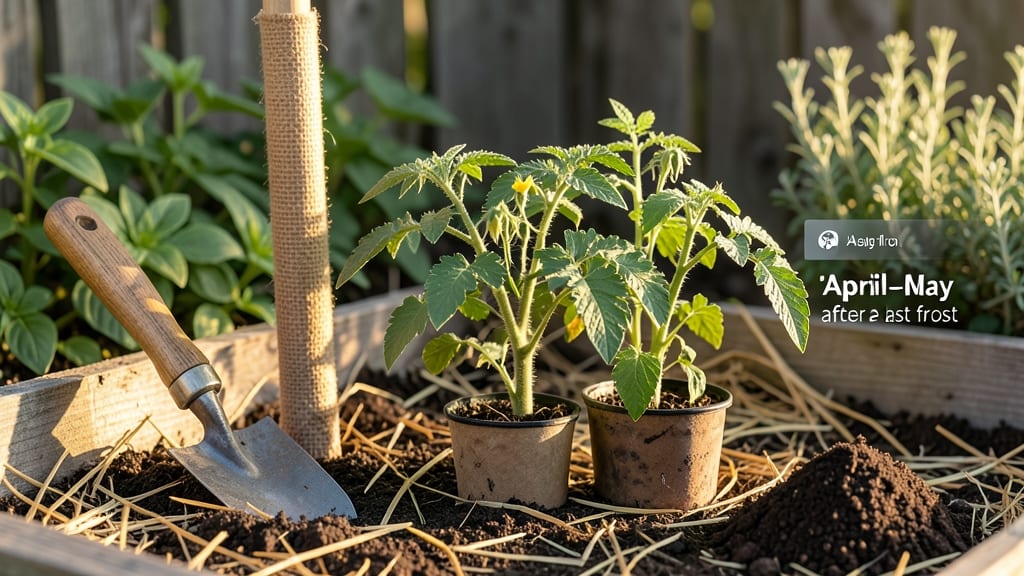
Timing when do you plant tomatoes in Kentucky isn't just about waiting for spring—it's about catching that perfect window when soil temperatures reach 60°F and nighttime lows stay above 50°F.
Get it wrong, and your 🍅 plants could bolt or freeze before producing fruit, leaving you with empty vines and empty dreams.
I've learned the hard way that Kentucky's 6a-7a zones demand patience—those early April warm spells often turn back to frost, tricking even experienced gardeners into planting too soon.
But with the right soil temperature triggers and regional frost-free deadlines, you can avoid the guesswork and set your tomatoes up for a bountiful summer harvest.
Whether you're starting seeds indoors or transplanting seedlings, understanding your local microclimate makes all the difference. From Lexington's April 15 average last frost date to Louisville's slightly later windows, each region has its own rhythm.
Let me show you exactly when to plant for maximum success in your corner of the Bluegrass State.
We'll cover everything from testing soil warmth to adjusting for early vs. late varieties, so you can confidently put those tomato seeds in the ground at the ideal moment. No more second-guessing—just juicy, homegrown tomatoes from June through October.
Kentucky’s ideal tomato planting soil temperature guide by Zone
Timing your tomato planting in Kentucky depends on more than just the calendar—soil temperature is the real game-changer. Tomatoes thrive when the soil warms to at least 50°F, but optimal growth starts at 60°F+.
In Kentucky’s USDA Zones 6a-7a, this means waiting for late April to early May in most regions, but your exact zone and microclimate matter.
Northern Kentucky (Zone 6a) has cooler soils that lag behind southern regions (Zone 7a). A soil thermometer is your best tool to verify warmth before planting. If your soil feels cold to the touch, even if air temperatures are mild, your tomatoes will struggle to establish roots and may rot.
| Zone | Soil Temp Threshold | Ideal Planting Window | Early Varieties | Late Varieties |
|---|---|---|---|---|
| 6a (Northern KY) | 55°F+ (minimum), 60°F+ (optimal) | May 1–15 (after last frost) | Start indoors March 15 | Direct sow May 15–June 1 |
| 6b (Central KY) | 52°F+ (minimum), 58°F+ (optimal) | April 25–May 10 | Start indoors March 1 | Direct sow April 30–May 15 |
| 7a (Western KY) | 50°F+ (minimum), 55°F+ (optimal) | April 15–April 30 | Start indoors February 20 | Direct sow April 15–May 1 |
| 7b (Far South) | 48°F+ (minimum), 52°F+ (optimal) | April 1–April 15 | Start indoors February 1 | Direct sow March 30–April 15 |
| Microclimates (Valleys/Urban) | 2–5°F warmer than avg. | Adjust dates 7–10 days earlier | Plant heat-lovers first | Extend season with row covers |
🌱 Note: Use black plastic mulch to warm soil 2–4°F faster in cooler zones.
For early varieties like 'Stupice' or 'Mountain Merit', you can start seeds indoors 6–8 weeks before your last frost date. These cold-tolerant types handle 50°F soil better than heat-lovers like 'Celebrity' or 'Better Boy', which need 60°F+ to thrive.
If you’re direct sowing outdoors, wait until nighttime temperatures stay above 55°F. A simple trick: press your hand into the soil for 5 seconds—if it feels cold, your tomatoes will too.
For container gardening, use heat mats to maintain 65°F+ soil and plant 1–2 weeks earlier than ground plantings.
Adjust your planting dates if you notice false springs—those warm spells in March that fool you into planting too early. Kentucky’s late frosts can hit as late as May 10 in Zone 6a, so always have row covers ready to protect seedlings if temperatures dip below 40°F.
Pro tip: Test your soil at 4-inch depth in the morning (when it’s coolest). If it’s below 50°F, wait another week. Patience here means healthier plants and bigger harvests—trust me, your future tomato sauce will thank you.
For late varieties, like 'Brandywine' or 'Cherokee Purple', push your planting to early June. These slower growers benefit from Kentucky’s long, hot summers and often produce sweeter fruit when given extra time to mature.
Remember, Kentucky’s soil warmth varies by location. Urban areas and south-facing slopes warm up faster than shaded or northern exposures. Use these guidelines as a starting point, then fine-tune based on your specific microclimate.
Frost-free deadlines & regional planting windows for Kentucky tomatoes
Kentucky’s last frost dates vary dramatically from north to south, making tomato planting windows a moving target. In Lexington (USDA Zone 6b), the average last frost falls on April 15, while Bowling Green (Zone 7a) typically sees frost-free conditions by March 30.
Louisville sits right in the middle, with April 5 as its average last frost date.
For transplanting seedlings, wait until nighttime temperatures stay above 50°F consistently. In northern Kentucky, this usually means mid-to-late May for safety. Southern regions like Paducah can start transplanting as early as April 15, but always check soil temperatures—they should reach at least 60°F for optimal growth.
Here’s a city-by-city breakdown of your tomato planting windows, including how to extend the season with row covers or cold frames:
| Region | Avg. Last Frost | Transplant Window | Extend Season With | Harvest Window |
|---|---|---|---|---|
| Northern KY (e.g., Paducah) | March 30 | April 15–May 1 | Row covers (until May 15) | June–October |
| Central KY (e.g., Louisville) | April 5 | April 20–May 10 | Cold frames (for early starts) | June–October |
| Lexington & Northern KY (e.g., Berea) | April 15 | May 1–May 15 | Black plastic mulch | July–October |
| Southern KY (e.g., Bowling Green) | March 20 | April 1–April 15 | Greenhouse (for late fall harvests) | May–November |
If you’re starting seeds indoors, begin 6–8 weeks before your region’s last frost. For Lexington gardeners, that means mid-February, while Bowling Green can start as early as early February. Use grow lights to ensure seedlings get 12–14 hours of light daily until transplanting.
For late varieties like Brandywine or Cherokee Purple, plant directly in the ground after Memorial Day to avoid blossom-end rot from fluctuating temperatures. Southern Kentucky’s longer growing season lets you squeeze in two crops: one in spring and another in late summer.
Pro tip: Use a soil thermometer to confirm 60°F+ soil temps before planting. If temps dip below 55°F, delay until conditions stabilize—your tomatoes will thank you with bigger yields and fewer diseases.