
Plants
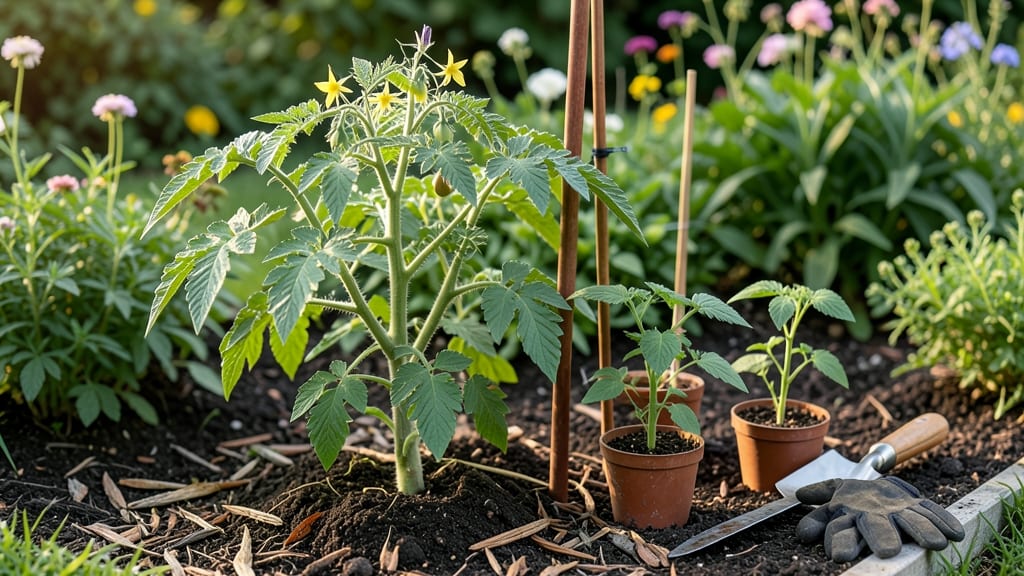
Planting tomatoes in Oklahoma isn’t just about checking a calendar—it’s about reading your soil’s hidden clues. When you wait until April 15 to May 15 (after last frost), you’re racing against unpredictable spring weather that can turn tender seedlings into sad, wilted memories.
The key? Soil temperature—not just dates—determines whether your 🍅 seeds sprout in 5 days or never.
Most gardeners in zones 6b-8a assume they can toss seeds into the ground once the air warms up, but that’s a recipe for disappointment.
Your tomatoes need soil that’s consistently 60°F or warmer to germinate reliably, and that timing shifts dramatically between Oklahoma City’s urban heat islands and the cooler Panhandle. Skip the guesswork and learn how to test your soil’s readiness before you plant.
What happens when you get the timing wrong? You might end up with stunted plants that never produce fruit—or worse, a second wave of seedlings after a late frost wipes out your first batch.
I’ll show you exactly how to time your planting for fast germination, whether you’re starting seeds indoors or dropping them straight into warmed beds. Let’s make sure your tomatoes thrive, not just survive.
From choosing the right varieties for your microclimate to using black plastic mulch to speed up soil warming, this guide covers all the tricks Oklahoma gardeners need.
By the end, you’ll know exactly when to plant for a summer of juicy, homegrown tomatoes—no more waiting until June to see if your hard work paid off.
Oklahoma’s ideal tomato planting windows by soil temperature (not just dates)
Oklahoma’s unpredictable spring can leave gardeners guessing about the best time to plant tomatoes. While many focus on calendar dates, soil temperature is the real game-changer. Seeds need 50°F–60°F soil to germinate, while transplants thrive in 60°F+ conditions.
Ignoring this can mean slow starts or failed crops—especially in Oklahoma’s microclimates where the Panhandle and Southeast differ by weeks.
Your last frost date matters, but it’s not the whole story. Urban areas like Oklahoma City often warm faster than rural spots, creating a 2–4 week shift in planting windows. For example, Panhandle gardeners might start in early April, while Southeast Oklahoma waits until mid-May.
Understanding these nuances ensures your tomato plants get off to the right start—and avoids the heartbreak of late frosts.
Soil temperature is your best friend for timing. A soil thermometer ($10 at garden centers) is worth its weight in gold. Test it in the morning for accuracy, and aim for 60°F+ before transplanting. If your soil is still cold, use black plastic mulch or row covers to speed up warming. Pro tip: Pecan trees leafing out is a natural signal—plant when their buds burst.
Here’s the breakdown by Oklahoma’s three key regions, accounting for urban vs. rural differences and soil temperature thresholds:
| Region | Soil Temp for Germination | Soil Temp for Transplanting | Last Frost Date (Avg.) | Ideal Planting Window | Adjustments |
|---|---|---|---|---|---|
| Panhandle (USDA 7b-8a) | 50°F–55°F | 60°F+ (early April) | March 1–15 | March 20–April 15 (direct sow) / April 1–15 (transplants) | Urban areas: 1 week earlier; rural: wait for 60°F+ |
| Central Oklahoma (USDA 7a-7b) | 55°F–60°F | 60°F+ (mid-April) | March 15–30 | April 1–May 1 (direct sow) / April 15–May 1 (transplants) | Oklahoma City: 3–5 days earlier than rural areas |
| Southeast Oklahoma (USDA 6b-7a) | 60°F+ | 65°F+ (late April–May) | April 1–15 | April 15–May 15 (direct sow) / May 1–15 (transplants) | Tulsa: 1 week earlier; rural areas: wait for 65°F+ |
| Mountains (USDA 6b) | 60°F+ | 65°F+ (late May) | April 15–May 1 | May 1–15 (transplants only) | Higher elevations: delay until after May 10 |
For direct sowing, aim for 50°F–60°F soil and plant seeds 1/4 inch deep. If you’re using transplants, wait until soil hits 60°F+—this prevents shock and ensures faster root establishment.
In urban gardens, like those in Oklahoma City, heat from pavement can warm soil 3–5 days faster than rural areas, so adjust accordingly.
Don’t forget succession planting! Oklahoma’s short growing season (180–220 frost-free days) means you can squeeze in two harvests by planting early varieties in April and late varieties in early June.
For example, ‘Early Girl’ tomatoes mature in 55–60 days, while ‘Solar Fire’ handles heat and takes 70–80 days. Pair them for a June–October harvest.
If you’re starting seeds indoors, begin 6–8 weeks before your last frost date. Use a heat mat to maintain 70°F–75°F for germination, and harden off seedlings for 7–10 days before transplanting.
Hardening off means exposing them to outdoor conditions gradually—start with 2 hours/day in shade, then increase sun exposure.
Watch for late frosts, which can still hit Oklahoma into mid-April, especially in higher elevations. Use frost blankets or row covers for young plants until the threat passes.
And if your soil stays below 60°F past your ideal window? Try straw mulch or black plastic to warm it up faster—just avoid
5 Signs your Oklahoma soil is ready (before you plant)
Don’t rush to plant your tomato seeds in Oklahoma just because the calendar says spring—your soil might still be too cold. Tomatoes need warm soil (at least 60°F) to germinate properly, and Oklahoma’s unpredictable spring can leave you guessing.
I’ve learned the hard way that planting too early leads to slow, uneven sprouts or worse, rot in the soil.
Instead of relying on dates, watch for these 5 key signs that your Oklahoma soil is finally ready. These clues—from soil temperature to native plant behavior—will help you time your planting for fast germination and strong, healthy vines. Skip the guesswork and start your harvest earlier!
🌱 Numbered Highlights: 5 Signs Your Soil Is Ready
- Soil thermometer reads 60°F+ – Tomato seeds need this warmth to sprout in 7–10 days. Check early mornings (soil cools overnight) and late afternoons (peak warmth).
- Pecan trees are leafing out – These native trees signal warming soil. When their leaves unfurl (usually late April in most of Oklahoma), your garden beds are likely ready for transplants.
- Moisture test passes – Press your finger 1–2 inches deep. If the soil feels damp (not soggy), it’s ready. Dry soil? Wait a few more days or use black plastic mulch to warm it faster.
- No more nighttime frost risk – Use the National Weather Service frost alerts or local garden groups for updates. A row cover can protect seedlings if temps dip below 32°F after planting.
- Weeds are actively growing – If your lawn or garden beds show new weed sprouts, the soil is warm enough for tomato seeds or transplants. Weeds are nature’s soil thermometer!
If your soil isn’t quite ready, don’t panic—you can speed up warming without over-heating your seeds. Lay down black plastic mulch 1–2 weeks before planting to raise soil temps by 5–10°F. For transplants, use row covers or a cold frame to protect them while the soil warms naturally.
Just avoid sealing seeds under plastic; they’ll rot if the soil stays too cold.
Pro tip: In Oklahoma’s Panhandle, where springs are drier, start your seeds indoors 6–8 weeks before the last frost (usually mid-March). For the Southeast part of the state, you can often direct-sow in early April if the soil is warm enough.
Always err on the side of waiting—cold soil kills more tomato plants than late planting ever will.
Once you’ve checked these signs, grab your tomato seeds or transplants and get planting! With the right timing, you’ll be enjoying homegrown tomatoes by early summer—just in time for picnics and garden BBQs. Happy growing!