
Plants
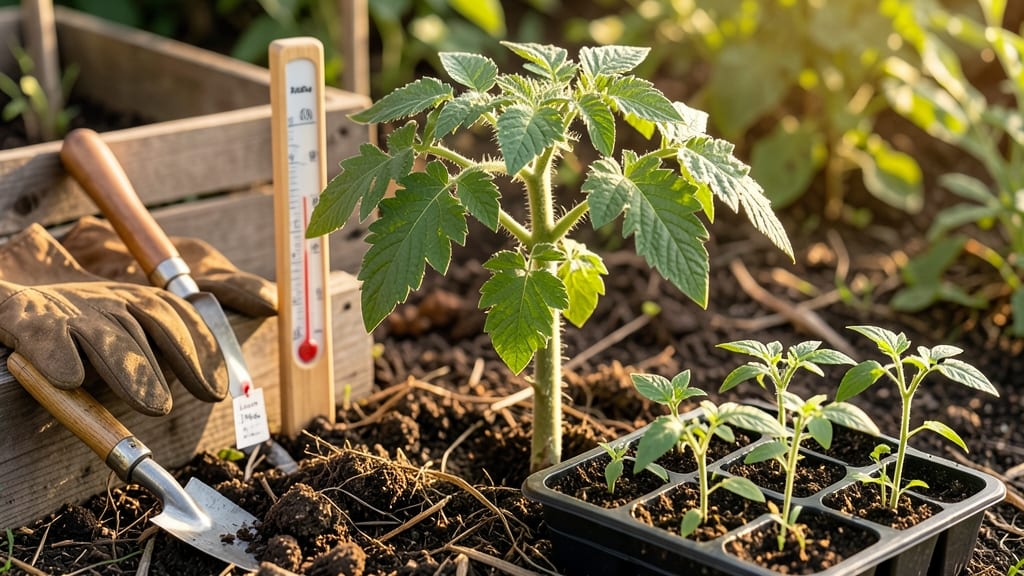
Planting tomatoes in California is a game-changer for your garden, but timing is everything—get it wrong, and you might end up with sad, wilted 🍅 instead of juicy, vine-ripened rewards.
The Golden State’s wild climate swings—from coastal fog to desert heat—mean your neighbors might be harvesting while you’re still waiting for your seeds to sprout.
I’ve grown tomatoes in USDA zones 9-10 for years, and the difference between a bumper crop and a bust comes down to one key factor: knowing when to put those seedlings in the ground.
Whether you’re in San Francisco’s chilly coastal zone, the sunbaked Central Valley, or the high desert near Palm Springs, the right planting window can save you from heat stress, frost damage, or wasted effort.
Let me break down the exact soil temperature and frost-free timing you need for each region—plus pro tips to adjust for your microclimate.
Ready to turn your tomato dreams into a harvest? Let’s dive into the best planting calendar for California, so you can enjoy homegrown tomatoes from your first bite to your last slice of summer sandwiches.
California tomato planting calendar by region: frost-free dates & soil temperature guide
California’s diverse microclimates mean your tomato planting window depends entirely on where you live. In coastal areas like San Francisco, cool summers delay planting until April or May, while inland valleys like Sacramento can start as early as February.
Meanwhile, desert regions like Palm Springs grow tomatoes in winter to escape summer heat. The key? Soil temperatures must reach 55-60°F for germination—no exceptions!
Frost risk adds another layer of complexity. Northern California’s last frost dates (around March 15) signal the start of planting, while Southern California’s mild winters allow year-round growing.
Even in frost-free zones, soil warmth dictates success—cold soil stalls growth, leading to blackened stems and failed crops. Let’s break down the best planting months for each region.
⚠️ NON-NEGOTIABLE: Use a soil thermometer to verify 60°F+ before planting. Coastal gardeners often wait until May for reliable warmth, while desert growers plant in November to avoid summer’s 100°F+ soil.
| Region | Last Frost Date | Ideal Planting Window | Soil Temp Threshold | Key Risks |
|---|---|---|---|---|
| Northern CA (San Francisco, Sacramento) | Mid-March | April–May (direct sow) / March (transplants) | 60°F+ | Late frost, cool summers |
| Central CA (Los Angeles, San Diego) | None (coastal) / Mid-Dec (inland) | February–April (coastal) / January–March (inland) | 55°F+ | Heat stress (inland), fog delays (coastal) |
| Southern CA (Palm Springs, Riverside) | None | November–January (winter crop) | 55°F+ (winter) / 70°F+ (summer) | Summer heat, low humidity |
🌱 Pro Tip: Use row covers in coastal areas to warm soil faster, or shade cloth in deserts to protect young plants.
In Northern California, where San Francisco’s fog lingers into summer, I always plant transplants in March and direct-sow in May. The Sacramento Valley warms faster, so I start 2 weeks earlier—but watch for April frosts, which can kill tender seedlings overnight.
A frost cloth is my secret weapon for those chilly mornings.
Central California’s dual personality—coastal cool and inland heat—demands flexibility. In Los Angeles, I plant heirloom varieties in February under row covers to jumpstart growth, then remove them once soil hits 60°F.
Meanwhile, San Diego’s coastal fog often delays planting until March, but the Inland Empire (like Riverside) can start in January if soil is warm enough.
Southern California’s desert regions like Palm Springs and Riverside defy the norm: here, winter is tomato season. I plant cool-season varieties like ‘Mountain Merit’ in November to harvest before summer heat sets in.
The trick? Mulch heavily to retain moisture and use drip irrigation to avoid fungal diseases in the dry air. Summer planting is possible with shade cloth, but yields suffer.
No matter your region, soil prep is non-negotiable. Amend your beds with compost and a balanced fertilizer (5-10-10) 2 weeks before planting. Test your soil pH—tomatoes thrive at 6.2–6.8.
If your soil is too acidic, add lime; if alkaline, mix in sulfur. Container growers should use a lightweight potting mix with perlite for drainage.
For container gardening, timing shifts slightly. Small pots heat up faster, so I plant 1–2 weeks earlier than in-ground gardens. Use black plastic pots to absorb heat and place containers on elevated stands to improve airflow. Dwarf varieties like ‘Tiny Tim’ are
How to adjust tomato planting time for coastal vs. inland microclimates
If you’ve ever watched your coastal neighbor’s tomatoes ripen while yours struggle to set fruit, you’re not imagining things—microclimates matter. Coastal areas like San Francisco and Santa Barbara stay cooler longer, delaying planting by weeks compared to inland valleys like Sacramento or Bakersfield.
The key? Adjusting for soil temperature, frost risk, and heat stress in your specific zone.
I learned this the hard way when my heirloom tomatoes in USDA Zone 10 near the coast bolted (flowered too early) because I planted them in March—just as the fog lifted.
Meanwhile, my friend in Zone 9 Central Valley got a head start in February but had to shade his plants by June to prevent sunscald. The solution? Tailor your timing to your microclimate and use tools like row covers or mulch to fine-tune the season.
Coastal areas (e.g., San Diego, Monterey) need to wait until late April or May when daytime highs consistently hit 65°F+. Inland valleys (e.g., Fresno, Stockton) can plant as early as February, but heat waves by June often require shade cloth or drip irrigation to protect plants. Desert regions like Palm Springs even plant in winter (November–January) to avoid summer’s 110°F+ extremes.
For coastal gardeners, row covers are your best friend. I’ve used floating row covers to warm soil by 10–15°F and protect seedlings from April fog. Remove them once daytime temps hit 70°F to prevent heat buildup.
Inland growers should focus on mulching—a 4-inch layer of straw keeps roots cool and retains moisture during 100°F+ afternoons. Pro tip: Water deeply in the early morning to reduce evaporation and fungal risks.
If you’re in a high-desert area, opt for heat-tolerant varieties like 'Heatmaster' or 'Solar Fire', which thrive in 90°F+ temps. Pair them with drip irrigation and shade cloth (30–50% shade) to prevent sunscald.
I’ve also had success with container gardening—moving pots to shade during peak heat while keeping them in full sun during cooler months.
Remember, soil temperature is your golden rule. Use a soil thermometer to confirm 60°F+ before planting. Coastal soils may need black plastic mulch for weeks to warm up, while inland soils might cool too quickly—straw mulch helps regulate temps.
By adjusting your timing and using these tools, you’ll beat the microclimate odds and enjoy tomatoes from June to October (or even year-round in desert zones!).