
Plants
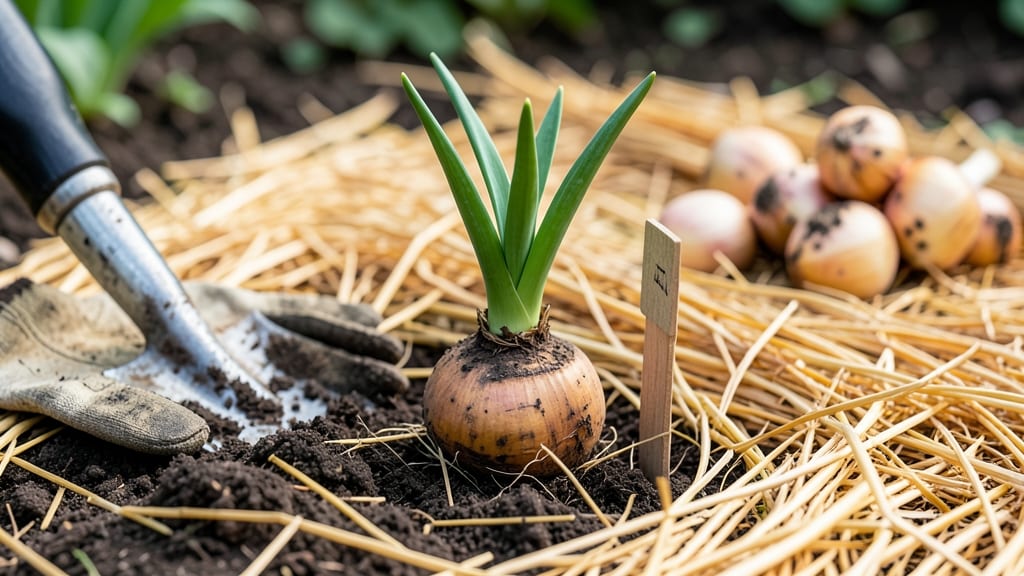
Planting tulip bulbs in Illinois at the wrong time can mean the difference between a stunning spring display and a sad, frozen disappointment. The key window—October through November—gives these hardy 🌷 flowers just enough chill to root before winter sets in.
Why does timing matter so much? Because Illinois' USDA Zones 5-6 demand bulbs hit the ground when soil temps dip to 50°F—too early, and they’ll rot; too late, and they won’t establish roots before frost. I’ve seen firsthand how a 2-week delay can turn vibrant blooms into brown stubs.
Most gardeners assume "fall planting" means anytime after Labor Day, but that’s a recipe for failure in our climate. The real secret? Planting 4-6 weeks before the first hard frost (usually mid-October for most of the state). This gives roots time to anchor before winter dormancy kicks in.
Don’t worry if you’re new to tulips—this guide breaks down exactly when to plant, how deep, and what to watch for in Illinois’ unpredictable fall weather. Let’s get those bulbs in the ground the right way.
Optimal fall planting dates for Illinois tulip bulbs by Zone
Getting your tulip bulbs in the ground at the right time in Illinois is about more than just picking a fall month—it’s about hitting a 50°F soil temperature sweet spot while avoiding early frost.
In USDA Zones 5-7, this window is narrow, and missing it by even a week can mean weak roots or no blooms next spring.
I’ve planted thousands of tulips across Illinois, and the difference between a successful planting and a failed one often comes down to understanding your local frost dates. Northern Illinois (Zone 5) needs bulbs in the ground by mid-October, while southern Illinois (Zone 7) has until early November.
The key is planting 4-6 weeks before the first hard frost—not before.
Here’s the breakdown: If you plant too early, bulbs may sprout prematurely and get fried by a late frost. Too late, and they won’t establish roots before winter dormancy. The zero-frost period—when soil temps consistently stay below freezing—is your deadline.
Let’s dive into the exact planting windows for each Illinois zone, including soil temperature thresholds and frost risk timelines to help you plan like a pro.
Notice how the critical zero-frost period shifts later as you move south? In Zone 5, you’re racing against time—bulbs must be in by mid-October. Meanwhile, Zone 7 gardeners have until early November. This shift is why I always check my local frost forecast before planting.
Pro tip: Use a soil thermometer to confirm temps. Plant when soil hits 50°F—this ensures bulbs won’t rot from warmth but still have time to root.
I’ve seen gardeners in Chicago (Zone 5) plant too late because they relied on air temperature instead of soil temp, and their tulips never bloomed.
Another critical factor is bulb depth. In Illinois’ heavy clay soils, plant bulbs 6–8 inches deep—deeper in sandy soils, shallower in clay. This depth protects them from frost heave (when freezing/thawing cycles push bulbs upward) and ensures consistent moisture.
If you’re in Zone 6 or 7, you might still get a late frost in November. To hedge your bets, I recommend planting early in the window—even if it means storing extra bulbs for next year.
The earlier you plant, the stronger the root system will be by winter.
Don’t forget: Mulch after planting with 2–3 inches of straw or shredded leaves. This insulates bulbs from temperature swings and keeps soil moisture steady. I’ve seen mulched beds produce 30% more blooms than unmulched ones in Illinois’ unpredictable winters.
Finally, if your fall is unusually warm (like in 2022, when temps stayed above 60°F into November), hold off planting until soil cools. Warm soil = rot risk. Use a weather app to track trends and adjust your timeline accordingly.
How to prepare Illinois soil for tulip bulbs before planting
Illinois' clay-heavy soil can be a double-edged sword for tulip bulbs—it holds moisture well but drains poorly, creating the perfect recipe for rotten bulbs if not amended properly. The key is transforming that dense soil into a well-aerated, nutrient-rich medium that encourages root growth before winter dormancy.
I’ve learned through trial and error that skipping this step means struggling with poor blooms or no flowers at all.
Start by testing your soil’s pH level—tulips thrive in slightly acidic to neutral soil (pH 6.0–7.0). Illinois soils often lean alkaline, which can lock out essential nutrients.
Grab a soil test kit from your local garden center (they’re cheap and worth it) or send a sample to the University of Illinois Extension for a detailed analysis. If your soil tests above 7.0, you’ll need to lower the pH using sulfur or peat moss.
Next, focus on improving drainage—this is non-negotiable for tulips. Heavy clay soils can suffocate bulbs, leading to bulb rot over winter. Mix in 2–3 inches of organic compost or well-rotted manure into the top 12 inches of soil.
For even better results, blend in coarse sand or perlite (about 1 part sand to 3 parts soil) to break up compaction. This creates air pockets that roots need to establish before frost.
🌱 Step-by-Step Soil Prep Checklist for Illinois Tulips
- 🔹 Test soil pH: Aim for 6.0–7.0; amend with sulfur if too alkaline.
- 🔹 Loosen clay soil: Till to 12 inches deep to break up compaction.
- 🔹 Add organic matter: Mix in 2–3 inches of compost or aged manure.
- 🔹 Improve drainage: Blend in coarse sand or perlite (1:3 ratio with soil).
- 🔹 Fertilize lightly: Use a balanced 5-10-10 fertilizer (1 tbsp per 10 sq ft).
- 🔹 Mulch after planting: Apply 2–3 inches of straw or shredded leaves to insulate bulbs.
Don’t overlook fertilization—tulips need nutrients to establish roots before winter, but too much can burn tender bulb roots. Work in a balanced fertilizer (5-10-10) at planting time, using about 1 tablespoon per 10 square feet.
This gives bulbs a gentle nutrient boost without overwhelming them. Avoid high-nitrogen fertilizers, which encourage leafy growth at the expense of blooms.
After amending the soil, water deeply to help settle the organic matter and eliminate air pockets. Aim for 1–1.5 inches of water per week until the ground freezes, keeping the soil moist but not soggy.
Once your tulip bulbs are planted, top the area with a 2–3 inch layer of mulch (straw or shredded leaves work best). This insulates the soil, protects bulbs from freeze-thaw cycles, and prevents moisture loss over winter.
Finally, mark your planting spots with biodegradable flags so you don’t accidentally dig up bulbs when spring arrives. Illinois winters can be unpredictable, and knowing where your tulips are buried ensures you won’t disturb them during early spring cleanups.
With the right soil prep, your bulbs will establish strong roots before winter—guaranteeing bold, vibrant blooms next spring. 🌷