
Vegetables
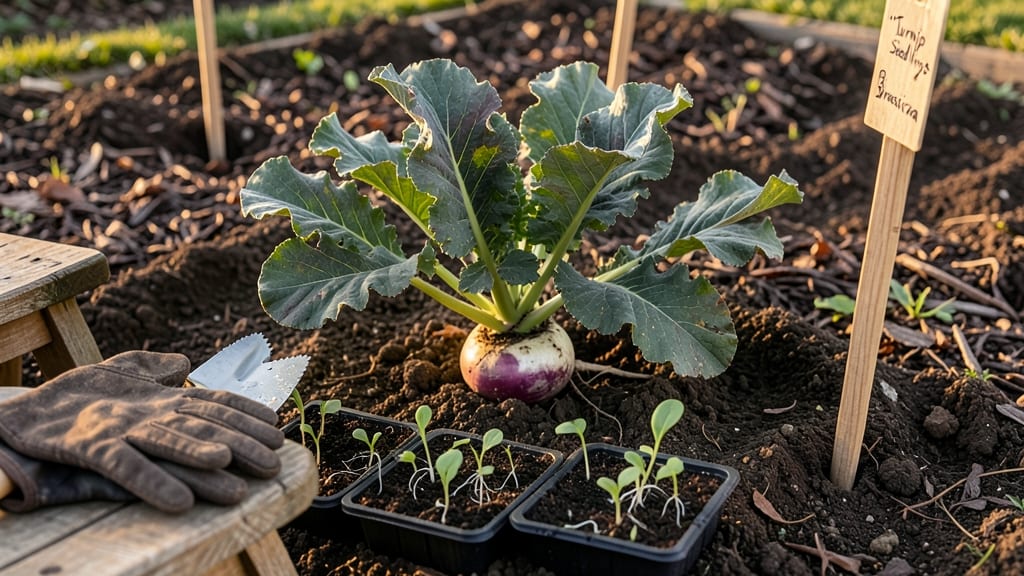
Planting turnips in the fall can feel like a guessing game—will you get a harvest before frost bites? The truth is, timing isn’t one-size-fits-all, especially when your county’s first frost date might differ from your neighbor’s by weeks.
Whether you’re in USDA Zone 6a or further south, knowing exactly when to plant 🥬 turnips ensures you’ll enjoy fresh greens and roots well into winter.
Most gardeners swear by planting 6–8 weeks before the first frost, but that window shifts depending on your location. In cooler climates, like mine in Zone 6a, late summer (around August) is ideal—just in time to beat the October 15 frost date.
Meanwhile, in warmer regions, you might push it into early September. The key is matching your local frost timeline to the turnip’s 40–60-day growth cycle.
Here’s the game-changer: succession planting and cold-hardy varieties like ‘Purple Top White Globe’ can stretch your harvest even longer. By spacing out plantings every 2–3 weeks, you’ll have a steady supply of turnips well into fall.
Plus, I’ll share how to prep your soil and avoid common mistakes that turn promising beds into flops.
Ready to turn your fall garden into a turnip powerhouse? Let’s break down the exact steps—from soil prep to frost-proof planting—to guarantee a harvest that lasts. Your taste buds (and dinner table) will thank you!
Fall turnip planting deadlines by USDA Zone: county-specific frost-proof timelines
Timing your turnip planting is critical for a successful fall harvest. Since turnips mature in 40-60 days, you’ll need to plant 8-12 weeks before your first frost. This window ensures roots and greens develop fully before cold sets in.
But with USDA zones 2-11 across the U.S., your county’s frost date may differ dramatically from your neighbor’s—even within the same state.
For example, Michigan’s Upper Peninsula (Zone 4) has a first frost around October 10, while California’s Central Valley (Zone 9) may not see frost until December 15.
These differences mean your planting deadline could vary by 6-8 weeks. Let’s break down the ideal windows by zone and region to help you plan with precision.
If you’re in Zone 4 or colder, focus on fast-maturing varieties like ‘Purple Top White Globe’ (50 days) or ‘Tokyo Cross’ (45 days). These can handle cooler soils and still reach harvest before frost. In Zones 5-7, you have more flexibility—try succession planting every 2
How to extend turnip harvests through winter: frost-tolerant varieties and succession planting
Once you’ve timed your fall turnip planting perfectly, the next challenge is keeping them productive through winter’s first frost. The key lies in selecting cold-hardy varieties and using smart succession planting techniques.
Unlike many vegetables, turnips actually sweeten with frost, making them ideal for late-season harvests. But without the right approach, your plants may bolt or rot before you can enjoy them.
My favorite strategy? Plant a mix of ‘Purple Top White Globe’ and ‘Tokyo Cross’ varieties—both tolerate light frosts and produce edible greens even when roots are small. These varieties also store well in cool conditions, giving you flexibility for staggered harvests.
The secret to success isn’t just choosing the right seeds, though; it’s also about mulching and planting in stages.
🌱 5 Key Steps to Extend Your Turnip Harvest
- 📅 Plant in 3 batches: Start with 6-8 weeks before first frost, then repeat every 2-3 weeks for continuous harvests.
- 🥬 Choose cold-hardy varieties: ‘Purple Top White Globe’ (roots) and ‘Tokyo Cross’ (greens) survive 20°F with protection.
- 🌡️ Mulch heavily: Apply 4-6 inches of straw or leaves after first frost to insulate roots.
- 🌱 Harvest greens first: Cut outer leaves when roots reach 1-2 inches to extend root production.
- 🍂 Time root harvest: Pull roots 1-2 weeks before hard frost for best flavor and storage.
For regions with early freezes (like USDA Zones 3-5), focus on ‘Hakurei’ turnipsgreens are more frost-tolerant than roots, so prioritize cutting leafy tops before pulling the entire plant.
One mistake I’ve seen gardeners make is over-mulching too early. Wait until temperatures drop below 40°F at night before adding mulch—otherwise, you risk trapping moisture and encouraging rot. Instead, start with a light layer of straw after the first light frost, then add more as temperatures drop.
This gradual approach keeps roots healthy while protecting them from extreme cold.
Pro tip: Use row covers or cold frames to extend the season even further. These create a microclimate that can push harvests into late winter, especially for varieties like ‘Shogoin’ turnips, which are prized for their sweet, slow-cooking roots.
Just be sure to remove covers during the day to prevent overheating—turnips need bright light even in winter.
With these techniques, you can enjoy fresh turnip greens well into winter and store roots for months. The key is balance: plant in stages, protect with mulch, and harvest strategically.
Soon, you’ll be the envy of your neighborhood with a turnip harvest that lasts long after your neighbors’ gardens have gone dormant. 🥬❄️