
Planting
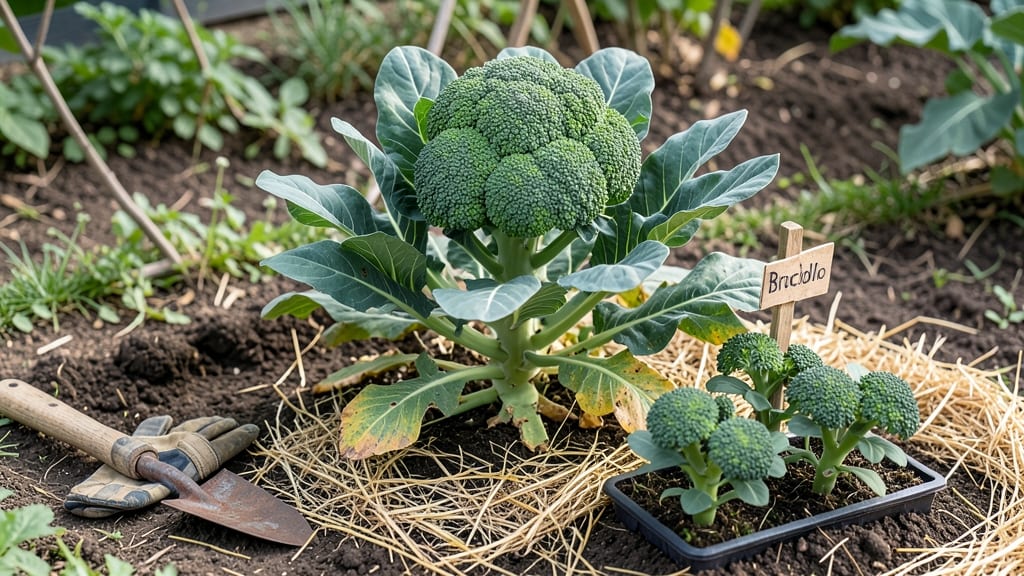
Planting your fall garden vegetables 🥬 in Zone 7 at the wrong time can turn your hard work into frost-damaged disappointment—especially when you’re counting on those fast-growing roots. The key isn’t just when you plant, but how far ahead of that first frost you get it right.
Most gardeners in Zone 7 (7a-7b) assume late summer is the only window, but the truth is, you’ve got a 4-6 week sweet spot before frost hits in mid-October. Miss that, and you’re either waiting too long for slow starters or risking a harvest cut short by cold snaps.
I’ll show you exactly which fast-growing crops to prioritize—like radishes and spinach—and how to time their planting for maximum root development before winter sets in. No more guessing games, just a foolproof schedule tailored to Zone 7’s climate.
Ready to turn your late-summer soil into a fall harvest goldmine? Let’s get those seeds in the ground at the perfect moment.
Exact weeks before frost: ideal planting timeline for Zone 7 fall crops
Timing your fall garden in Zone 7 hinges on understanding your first frost date, which typically lands around mid-October. For most of Zone 7, this means your planting window opens 4-8 weeks before frost, depending on the crop.
The key is to plant cool-season vegetables and herbs early enough to establish strong root systems before winter sets in—but not so early that they bolt or struggle with summer heat.
In Zone 7a (colder end), aim to start seeds and transplants by late July to early August for fast-maturing crops like radishes or bush beans. Meanwhile, Zone 7b (warmer) gardeners have a slightly extended window into early September for slower-growing varieties like kale or carrots.
The goal? Give plants 45-60 days to mature before temperatures dip below 28°F.
Here’s the science behind the timing: Cool-season crops thrive when soil temperatures drop to 60-70°F, which happens naturally in Zone 7 by late August. Planting too late risks stunted growth, while planting too early can lead to heat stress or pest pressure.
The sweet spot? 6-8 weeks before frost for most vegetables, with adjustments for herbs (like cilantro) and flowers (such as pansies) that tolerate cooler temps.
Pro Tip: Use a frost calculator (like the one from the Old Farmer’s Almanac) to pinpoint your exact first frost date. Then, work backward based on each crop’s days to maturity. For example, spinach (30-40 days) can be sown as late as early September, while broccoli (60-80 days) needs to be in the ground by mid-August.
| Crop Type | Planting Window | Days to Maturity | Root Growth Priority | Notes |
|---|---|---|---|---|
| Cool-Season Vegetables | Late July - Early September | 30-60 days | Fast root establishment | Examples: Radishes, spinach, lettuce |
| Leafy Greens | Early August - Mid-September | 40-50 days | Deep taproots for cold tolerance | Examples: Kale, Swiss chard, arugula |
| Root Vegetables | Late July - Early August | 50-70 days | Loose, well-draining soil | Examples: Carrots, beets, turnips |
| Herbs | Early August - Late August | 30-45 days | Shallow roots, cold-hardy | Examples: Cilantro, parsley, dill |
| Flowers | Mid-August - Early September | 40-60 days | Moderate root depth | Examples: Pansies, snapdragons, calendula |
| Brassicas | Late July - Early August | 60-80 days | Strong root anchorage | Examples: Broccoli, cabbage, Brussels sprouts |
For fast root growth, focus on crops that mature quickly and tolerate cooler soil. Radishes and turnips are top performers—they’ll establish roots in as few as 25 days, making them ideal for late-summer sowings.
Meanwhile, slow-to-mature crops like Brussels sprouts (80+ days) need an early start to avoid stunted growth. Prioritize loose, well-amended soil to encourage deep root penetration, especially for carrots or parsnips, which hate compacted soil.
Don’t overlook herbs like parsley or chives, which thrive in fall’s cooler temps. These plants establish shallow but dense root systems, making them perfect for small spaces or containers. Plant them 6-8 weeks before frost for a harvest that lasts well into winter.
Pair them with pansies or calendula for a low-maintenance fall garden that blooms until the first hard freeze.
If you’re in Zone 7a (cooler), err on the side of earlier planting—aim for late July for most
Fast root growth crops: which plants to prioritize in Zone 7 fall gardens
When planning your Zone 7 fall garden, focusing on fast root growth crops ensures a quick harvest before the first frost. These plants thrive in cooler temperatures and deliver rewards in just 30-60 days.
My top picks are radishes, spinach, kale, and carrots—each with unique timing and soil needs to maximize your garden's potential.
Fast-growing roots like radishes and turnips can sprout in as little as 20 days, making them perfect for late summer sowing. Meanwhile, leafy greens such as spinach and kale tolerate light frosts and continue producing well into fall.
Understanding their specific planting windows and soil conditions is key to avoiding disappointment.
- 🌱 Radishes: Plant 6-8 weeks before frost (late July to early August). Ideal for loose, sandy soil—amend with compost to prevent forking.
- 🥬 Spinach: Sow 4-6 weeks before frost (early to mid-September). Prefers cool soil temps (50-65°F)—use shade cloth if summer heat lingers.
- 🌿 Kale: Direct seed 3-4 weeks before frost (late August to early September). Thrives in well-draining soil—add aged manure for nitrogen.
- 🥕 Carrots: Start seeds 8-10 weeks before frost (late July). Break up clay soil to prevent stunted roots—mix in perlite if needed.
- 🌱 Turnips: Plant 5-6 weeks before frost (early to mid-September). Tolerates light frost—harvest before roots get woody.
To accelerate root growth, prioritize soil preparation by testing pH (aim for 6.0-7.0) and adding organic matter like compost or worm castings. I’ve found that loose, aerated soil reduces resistance for roots, helping crops like carrots and radishes reach maturity faster.
A pre-planting fertilizer with phosphorus (P) boosts early root development.
For maximum efficiency, succession plant radishes and spinach every 2-3 weeks after their initial sowing. This staggered approach ensures a continuous harvest while keeping your garden productive. Mulch with straw after planting to retain moisture and suppress weeds—critical in Zone 7’s variable fall weather.
Don’t overlook light requirements: Most fast-rooting crops need 4-6 hours of sun daily. If your garden is shady, opt for leafy greens like spinach over sun-hungry carrots. I’ve had great success with container gardening for radishes and turnips, using self-watering pots to maintain consistent moisture.
Finally, monitor your garden’s progress with a harvest journal. Note when each crop reaches maturity and adjust future planting dates accordingly. With the right fast-rooting crops and soil prep, your Zone 7 fall garden can deliver a bountiful harvest before winter sets in. 🌱